Key takeaways
- Replacing one port fuel injector usually costs $250–$600 at an independent shop, depending on how easy it is to reach.
- Direct injection (GDI) injectors cost more: about $350–$900+ for one, because the parts are pricier and the job often needs new seals, a fuel rail and sometimes injector coding.
- A full set typically runs $800–$1,800 on a port-injected four-cylinder and $1,200–$2,500+ on many GDI and V6 engines.
- A misfire code (P0300–P0306) does not prove an injector is bad. Plugs and coils fail far more often and cost less.
- Estimates as of 2026; your price depends on the engine, part brand and local labor rates ($100–$175/hr independent, $150–$250/hr dealer).
The fuel injector replacement cost in 2026 is typically $250 to $600 for a single injector on a port-injected engine at an independent shop. Direct-injection engines, now common on newer cars and trucks, usually run $350 to $900 or more for one injector, and replacing a full set can reach $1,200 to $2,500 or more. Dealers charge more. The biggest swing in price comes from labor: on many V6 and V8 engines, the shop has to remove the upper intake manifold just to reach the back injectors. Below: port vs. direct injection, one injector vs. a set, cleaning vs. replacing, and how to confirm the diagnosis.
📩 Important: after you sign up, open the email from Super Car Digest and tap Confirm. Your checklist opens right away. Not there? Check Spam or Promotions.
Fuel injector replacement cost in 2026 at a glance
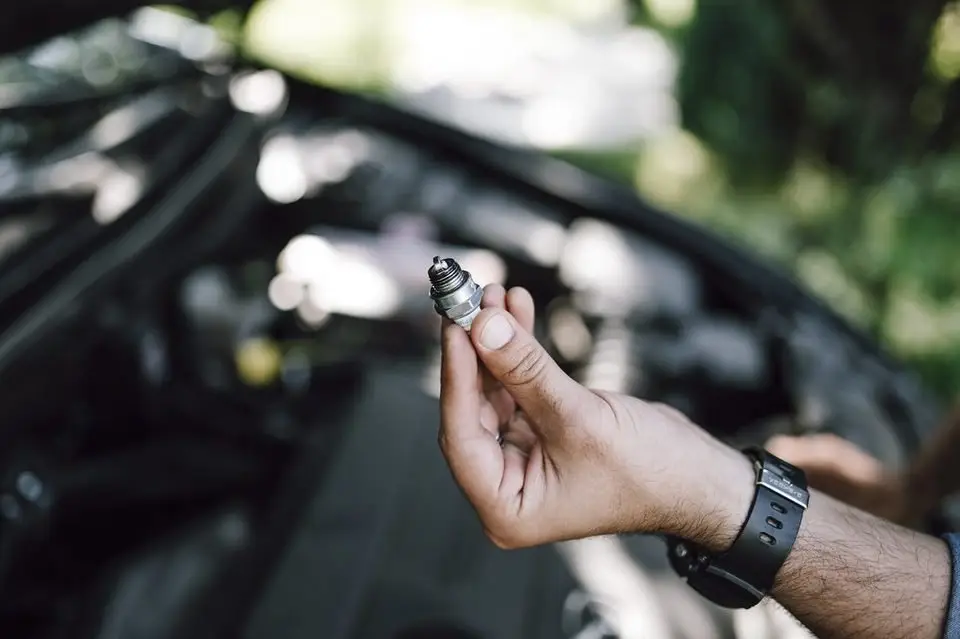
| Job | Parts | Labor | Typical total (independent shop) |
|---|---|---|---|
| One port injector, easy access (4-cyl) | $50–$200 | 1–2 hrs | $250–$500 |
| One port injector, under intake (V6/V8) | $50–$200 | 2–3.5 hrs | $350–$750 |
| One direct injection (GDI) injector | $120–$400 | 2–4 hrs | $350–$900+ |
| Full set, port injection, 4-cylinder | $250–$800 | 1.5–3 hrs | $800–$1,800 |
| Full set, GDI or V6 | $600–$1,800 | 3–6 hrs | $1,200–$2,500+ |
| Professional injector cleaning (on-car service) | Cleaner | 0.5–1 hr | $100–$250 |
| Dealership, single OEM injector | OEM | $150–$250/hr | $450–$1,200+ |
Most shops also charge a $100–$200 diagnostic fee to confirm which injector is at fault. It is worth paying.
Port injection vs. direct injection: why GDI costs more
The type of fuel system your engine has is the single biggest factor in the price.
- Port fuel injection (PFI or MPI): injectors spray into the intake ports just ahead of the valves. Fuel pressure is low, usually around 40 to 60 psi. The injectors are relatively cheap and often clip into a fuel rail on top of the engine.
- Gasoline direct injection (GDI): injectors spray straight into the combustion chamber at very high pressure, often 2,000 psi or more, fed by a separate high-pressure pump. The injectors cost more, sit in the cylinder head, and usually need new combustion seals (Teflon rings), O-rings and sometimes new fuel lines or rail bolts that are one-time use. Some engines also need each new injector’s calibration code programmed into the computer with a scan tool.
GDI injectors can also stick in the head and need special pullers, so one GDI injector can cost as much as a full set of port injectors.
GDI fuel systems are not a DIY starter job
Direct injection systems hold very high pressure, and reused seals or one-time-use fasteners can leak fuel onto a hot engine. If your car has GDI, have a shop do the work or follow the factory service procedure exactly, including relieving pressure and replacing every seal.
Signs of a bad fuel injector
- Misfire or rough idle, often on one cylinder.
- Check engine light with a misfire code such as P0301 (cylinder 1) through P0306, or a general P0300.
- Injector circuit codes such as P0201 through P0206, which point to wiring or the injector’s electrical side.
- Lean or rich codes such as P0171 or P0172, which can come from a clogged or leaking injector, though vacuum leaks and sensors cause them more often.
- Hesitation, poor acceleration or worse gas mileage.
- Fuel smell or wetness around the fuel rail, which means a leak and needs attention right away.
Is it really the injector? How shops confirm it
A misfire code tells you which cylinder is misfiring, not why. The usual suspects, in rough order of how often they fail, are the spark plug, the ignition coil, then the injector, then mechanical problems such as low compression. A good shop will:
- Swap the coil to another cylinder and see if the misfire follows it.
- Check the spark plug for wear, oil fouling or a cracked insulator.
- Test the injector with a noid light or scope to confirm it is getting a signal, and check its resistance.
- Run a balance or flow test to see whether one injector delivers less fuel than the others.
- Check fuel pressure, since a weak pump or bad fuel pressure regulator can mimic injector problems on every cylinder.
Start with the cheaper parts
If plugs are near the end of their interval, replace them first. See our spark plug replacement cost and ignition coil replacement cost guides. Both are common misfire fixes that cost far less than an injector.
Cleaning vs. replacing fuel injectors
Not every injector problem needs a new part. Tip deposits can disturb the spray pattern.
- Fuel system cleaner in the tank ($10–$25) can help with mild deposits on port injectors. Look for a product with polyetheramine (PEA). Using a TOP TIER gasoline brand also helps keep injectors clean over time.
- On-car professional cleaning ($100–$250) runs a concentrated cleaner through the fuel rail. Results vary; it is most useful for mild drivability complaints, not a dead injector.
- Off-car ultrasonic cleaning and flow testing ($20–$40 per injector from a specialist, plus removal labor) can restore port injectors and gives you a flow report.
- Replacement is the right call for an injector that leaks, has an electrical fault, or fails a flow test after cleaning. It is also usually the answer on GDI engines, where tip deposits are harder to clean and removal labor is already the bulk of the bill.
Keep in mind that in-tank cleaners do nothing for intake valve carbon buildup on GDI engines, because fuel never washes over the valves. That is a separate problem with its own cleaning service.
One injector or the whole set?
On an easy-access four-cylinder, replacing just the bad injector is reasonable. On engines where the intake manifold must come off, many shops recommend doing the whole bank or the whole set, because most of the cost is labor and the other injectors are the same age. A middle ground is a remanufactured, flow-matched set, which often costs less than new OEM injectors and keeps all cylinders delivering the same amount of fuel.
Why labor varies so much
1. Intake manifold removal
On many V6 and V8 engines, the injectors sit under the upper intake plenum. Removing it adds 1 to 3 hours and usually requires new intake gaskets. On some engines the fuel rail sits in the valley between the cylinder heads.
2. Direct injection extras
GDI jobs often need new seals, a replacement high-pressure line, injector coding and sometimes a cleaned bore in the cylinder head. These add parts cost and time.
Is it safe to drive with a bad fuel injector?
A mildly clogged injector is usually safe to drive on for a short time, but it will hurt mileage and power. A misfire that makes the check engine light flash is different: unburned fuel can overheat and ruin the catalytic converter, which often costs $1,000–$2,500 or more. Our guide to a flashing check engine light explains what to do. A leaking injector or fuel smell is a fire risk, so park the car and have it towed.
Dealer vs. independent shop vs. DIY
- Dealership ($450–$1,200+ for one injector): OEM parts, factory coding tools and recall knowledge, but the highest labor rate and parts markup.
- Independent shop ($250–$900): lower labor rates and remanufactured options. Ask whether the shop has the scan tool to code GDI injectors.
- DIY, port injection only ($50–$200 in parts): the lowest cost on easy engines, but you are handling pressurized fuel, new seals and sometimes intake gaskets.
DIY is realistic on a port-injected four-cylinder with the fuel rail on top. Relieve fuel pressure, use new O-rings and check for leaks before starting. First, check for open recalls or extended warranties on your vehicle at NHTSA’s recall lookup; some injector and fuel system problems have been covered by manufacturers.
How to pay less without cutting corners
- Confirm the diagnosis with a coil swap and injector test before buying parts.
- Check recalls and emissions warranty. The federal emissions warranty covers many emissions-related parts for 2 years or 24,000 miles, and some states, such as California, offer longer coverage. Ask the dealer whether your injector qualifies.
- Consider remanufactured injectors from a reputable rebuilder with flow test sheets.
- Bundle the work. If the intake is coming off, have the shop replace spark plugs or a leaking intake gasket at the same time.
- Weigh the car’s value. On an older car with several problems, use our repair or replace calculator.
Useful on Amazon for this job
As an Amazon Associate we earn from qualifying purchases. Always confirm fit for your exact vehicle or ask your dentist.
What a master tech checks before quoting injectors
- Overlapping labor. On sideways V6 engines the rear injectors are under the intake plenum. If several injectors are replaced, labor should overlap, not be billed per injector.
- Some injectors need coding. Many direct-injection engines, including several BMW turbo six-cylinders, need each injector’s calibration code programmed with a scan tool.
- Avoid cheap or unbranded injectors. Buy from the original supplier (often Bosch, Denso, Delphi or Continental) through an authorized parts seller, since counterfeits are common online.
- GDI jobs need new seals, and sometimes new fuel lines. Many makers require replacing the high-pressure line once it is loosened. With the intake off, ask about cleaning carbon from the intake valves.
- Check your VIN for warranty extensions and emissions coverage before paying; some makers have extended coverage on injector-related parts.
- Watch for double-billed intake removal on a quote that already includes it in the injector labor.
Super Car Digest · $14
The Used Car Buying Playbook
Shopping for a used car? A rough idle or a stored misfire code can mean a four-figure fuel system bill, so learn how to spot it on the test drive and use it to negotiate. Budget worksheet, 15-minute VIN screen, test-drive routine, word-for-word negotiation scripts and a 10-point contract check.
Frequently asked questions
How much does it cost to replace a fuel injector?
About $250–$600 for one port injector and $350–$900 or more for one direct injection injector at an independent shop. A full set usually costs $800–$2,500 or more. Estimates as of 2026.
How long do fuel injectors last?
Many last 100,000 miles or more, and some last the life of the engine. Poor fuel, long storage and heat can shorten their life.
Should I replace all fuel injectors at once?
Not always. Replace just the failed one on an easy engine. If the intake has to come off or the car has high mileage, doing the full set often saves labor later.
Can fuel injector cleaner fix a bad injector?
It can help with mild deposits on port injectors. It will not fix a leaking injector, an electrical fault or a badly clogged GDI injector.
Why are direct injection injectors so expensive?
They work at much higher pressure, cost more to make, sit in the cylinder head, and usually need new seals, lines and sometimes computer coding when replaced.
Can a bad fuel injector damage the engine?
Yes. A leaking or stuck-open injector can thin the oil with fuel and damage the catalytic converter. Fix misfires and fuel leaks promptly.
Sources and methodology
Price ranges combine 2026 estimates from the RepairPal estimator for fuel injector replacement, published labor-time guides, current retail pricing for new and remanufactured injectors, generic OBD-II code definitions, recall information from NHTSA, fuel system maintenance advice from the Car Care Council, TOP TIER fuel information from toptiergas.com, maintenance guidance from fueleconomy.gov, and labor at typical 2026 shop rates ($100–$175/hr independent, $150–$250/hr dealer; AAA has reported national averages around $140/hr). These are estimates; your quote will vary by engine, region and condition.