Key takeaways
- On many cars with an easy-to-reach pan, oil pan gasket replacement costs about $250–$600 at an independent shop.
- When the shop has to drop a subframe or crossmember, move the front differential on a 4WD truck or lift the engine, the bill often rises to $600–$1,500+.
- The gasket or RTV sealant is cheap, usually $15–$80. Almost all of the cost is labor, which can range from 1.5 to 8+ hours.
- Many “oil pan leaks” are actually a valve cover gasket, rear main seal or drain plug leaking from above. Confirm the source before paying.
- Estimates as of 2026; prices depend on the vehicle and local labor rates ($100–$175/hr independent, $150–$250/hr dealer).
The oil pan gasket replacement cost in 2026 is typically $250 to $600 on cars where the pan comes off with only a few bolts and minor parts in the way. On many SUVs, pickups and front-wheel-drive V6 cars, though, the oil pan sits above a crossmember, steering rack or front axle, and the job can take 4 to 8 hours or more, pushing the total to $600 to $1,500 or higher. The parts are inexpensive; the labor is not. This guide explains why the labor varies so much, the difference between a gasket and RTV sealant, how to make sure the pan is really what is leaking, and when it makes sense to wait.
📩 Important: after you sign up, open the email from Super Car Digest and tap Confirm. Your checklist opens right away. Not there? Check Spam or Promotions.
Oil pan gasket replacement cost in 2026 at a glance
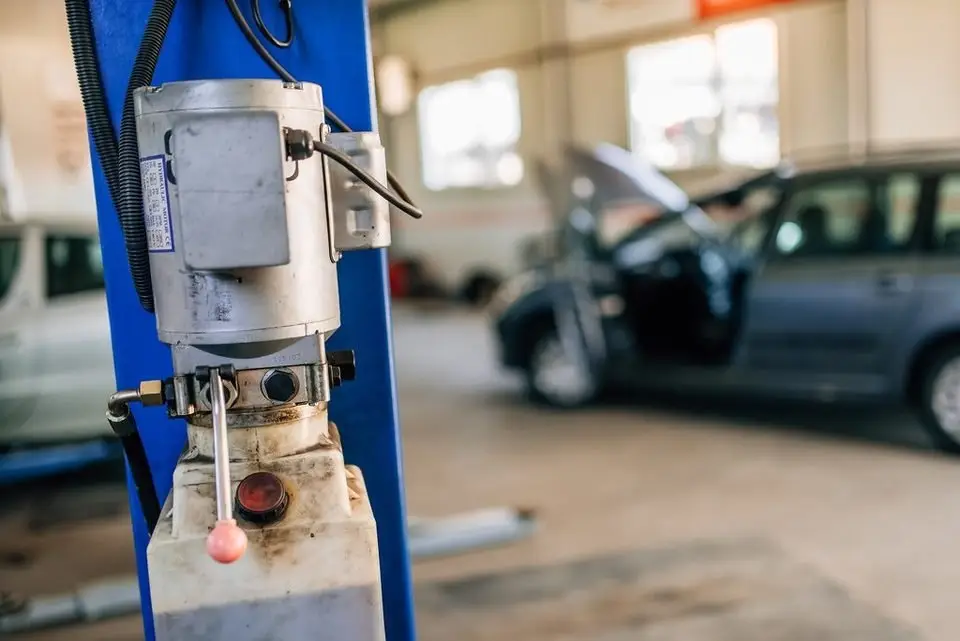
| Vehicle or situation | Labor time | Typical total (independent shop) |
|---|---|---|
| Easy access (many compact cars, some trucks) | 1.5–3 hrs | $250–$600 |
| Exhaust, starter or splash shields in the way | 2.5–4 hrs | $400–$800 |
| Subframe or crossmember must be lowered | 4–7 hrs | $600–$1,300 |
| 4WD with front differential or axle in the way | 4–8 hrs | $700–$1,500 |
| Engine must be lifted or supported | 5–10+ hrs | $900–$2,000+ |
| Dealership, typical sedan or SUV | Same | $450–$1,800+ |
What the oil pan gasket does
The oil pan bolts to the bottom of the engine and holds the oil when the engine is off. The oil pan gasket, or a bead of sealant on many newer engines, seals the joint between the pan and the engine block. Over time heat cycles harden rubber and cork gaskets, sealant can let go, and bolts can loosen. The result is a slow drip or seep along the edge of the pan.
Why oil pan labor varies so much
Two cars with the same leak can get quotes that are $1,000 apart. It almost always comes down to what sits in front of the pan.
1. Subframe or crossmember
On many front-wheel-drive cars and crossovers, the engine cradle (subframe) runs under the oil pan. The shop has to support the engine, unbolt the subframe and lower it, often along with the steering rack and exhaust. That adds hours and may require a wheel alignment afterward ($100–$200).
2. Front differential or axle on 4WD trucks and SUVs
On many four-wheel-drive pickups and SUVs, the front differential or axle housing sits directly under the pan. Some designs need the differential removed or lowered to get the pan out.
3. Engine lift
Some vehicles have so little room that the engine mounts must be unbolted and the engine raised a few inches to clear the oil pump pickup or crankshaft. This is slow, careful work.
4. Two-piece pans and the transmission
Many engines use an upper aluminum pan bolted to the transmission plus a lower steel pan. The lower pan is often easy. The upper pan can require separating parts of the drivetrain, which is where very high quotes come from.
Ask which pan is leaking
If your engine has a two-piece pan, ask the shop whether the leak is at the lower pan or the upper pan. The lower pan is usually a fraction of the cost.
Gasket vs. RTV sealant
Older engines usually use a cork, rubber or molded gasket. Many newer engines leave the factory with RTV silicone or a similar formed-in-place sealant instead of a gasket.
- Molded gaskets are forgiving and easy to install correctly. They typically cost $20–$80.
- RTV sealant costs $10–$25 a tube, but the job takes more care. Old sealant must be fully scraped off both surfaces, the surfaces cleaned of oil, the bead applied at the right size, and the pan installed within the sealant’s working time. Many sealants also need cure time before oil goes back in.
Use what the manufacturer specifies. Too much RTV can squeeze into the pan, break off and block the oil pump pickup screen, which can starve the engine of oil.
Confirm the leak source before you pay
Oil runs downhill and air blows it backward while you drive, so the oil pan is often where leaks show up rather than where they start. Common look-alikes include:
- Drain plug with a worn washer or stripped threads, often a $10–$75 fix.
- Oil filter that is loose or has a doubled gasket.
- Valve cover gasket leaking down the back or side of the engine.
- Oil filter housing or oil cooler gaskets.
- Front crankshaft seal or timing cover.
- Rear main seal, which leaks where the engine meets the transmission and can look like a pan leak.
A good shop will degrease the area, add UV dye to the oil, have you drive for a few days, and then trace the leak with a UV light. A dye test usually costs $75–$150 and can save you from paying for the wrong repair. Our car oil leak repair cost guide compares prices for each common source.
Signs of a leaking oil pan gasket
- Oil spots under the front of the car after it sits overnight.
- Wet, dirty oil film along the seam where the pan meets the engine.
- Oil level dropping between changes.
- Burning oil smell if oil reaches the exhaust pipe.
- Smoke from under the car after a drive, in more serious cases.
Is it safe to drive with a leaking oil pan gasket?
A light seep that leaves a few drops a week is usually not an emergency. Check the dipstick every week or two and top off as needed. The danger comes from two things: running the engine low on oil, which can destroy bearings, and oil dripping onto hot exhaust parts, which is a fire risk. If you see a steady drip, a puddle the size of your hand, smoke, or the oil pressure light comes on, stop driving and get it checked. Many states also restrict vehicles that drip fluids during inspection.
Oil pressure light means stop
If the red oil pressure warning comes on while driving, pull over safely and shut the engine off. Driving even a few minutes with no oil pressure can ruin an engine.
Related work to do at the same time
- Oil change and new filter, since the oil has to come out anyway.
- New drain plug and washer, especially if the threads are worn.
- Oil pump pickup tube O-ring on engines where it is exposed with the pan off.
- Inspect the pan itself for dents or cracks, which may require a new pan ($80–$400 for the part).
- Engine mounts if they are worn and already being loosened. See our motor mount replacement cost guide.
Dealer vs. independent shop vs. DIY
A dealership typically charges $450–$1,800 or more and uses factory sealants and procedures, which can help on engines with tricky two-piece pans. An independent shop usually charges $250–$1,500 for the same work, with the low end on easy-access cars. DIY costs $25–$100 in gasket, sealant, oil and filter, but only makes sense on vehicles where the pan comes off without lowering a subframe or lifting the engine.
DIY risks are real. Pan bolts are often small and easy to strip or overtighten, especially in aluminum. Surfaces must be perfectly clean for sealant to hold. A bit of loose sealant or old gasket in the pan can block the pickup. And a car on jack stands must be supported safely. If you do it, follow the factory torque specs and tightening sequence, and check for leaks after the first drive.
How to pay less without cutting corners
- Confirm the source with a degrease and dye test before replacing anything.
- Try the simple fixes first. A new drain plug washer or a correctly torqued filter costs very little.
- Ask about the lower pan only on engines with a two-piece pan.
- Get two quotes that list the same labor time, gasket type and whether an alignment is included.
- Time it with an oil change so you are not paying for oil twice.
- Weigh the car’s value. A slow seep on an older car may be cheaper to monitor and top off. Our repair or replace calculator helps you decide.
Useful on Amazon for this job
- Oil-resistant RTV gasket maker
- UV leak detection dye kit for oil
- Jack stands (3-ton pair)
- Click-type torque wrench (3/8 in.)
As an Amazon Associate we earn from qualifying purchases. Always confirm fit for your exact vehicle or ask your dentist.
Shop-floor tips for oil pan gasket jobs
- Front axles and subframes drive the cost. On many AWD and 4WD vehicles the subframe must be lowered with the engine supported, which is why some quotes are much higher.
- Many pans use RTV, not a gasket. On many Toyota, Honda and Subaru engines the pan is sealed with silicone sealant. Make sure the quote matches, and that an oil-resistant OE-spec sealant is used.
- Some bolts are single-use, such as the aluminum pan bolts on several BMW six-cylinders. Reusing them can lead to snapped bolts.
- Do the cheap extras while it’s open: on many GM V8 trucks, the oil pickup tube O-ring; on subframe-drop jobs, the engine mounts. Ask the tech to check the pickup screen for debris.
- Confirm the leak first. Oil from a valve cover, filter housing or pressure switch often runs down and looks like a pan leak.
- Let RTV cure before adding oil, and don’t over-tighten pan bolts. A pan cracked by road debris may be an insurance claim.
Super Car Digest · $14
The Used Car Buying Playbook
Looking at a used car? A quick look underneath for oil seepage before you buy can save you a $1,000 surprise, and a leak you find is leverage when you negotiate. Budget worksheet, 15-minute VIN screen, test-drive routine, word-for-word negotiation scripts and a 10-point contract check.
Frequently asked questions
How much does it cost to replace an oil pan gasket?
About $250–$600 when the pan is easy to reach and $600–$1,500 or more when a subframe, front axle or engine has to move. Estimates as of 2026.
How long does an oil pan gasket replacement take?
Anywhere from about 1.5 hours on easy vehicles to 8 hours or more on vehicles that need the subframe lowered or the engine lifted.
Can I just tighten the oil pan bolts?
If bolts are actually loose, snugging them to spec can help. Overtightening can crack the pan or crush the gasket and make the leak worse.
Does stop-leak work on an oil pan gasket?
Stop-leak additives may slow a minor seep from a rubber seal for a while. They do little for a failed RTV joint or a damaged gasket and are not a permanent fix.
Is an oil pan gasket leak serious?
A small seep usually is not urgent. A steady drip, oil on the exhaust, or a falling oil level needs prompt repair.
Is RTV better than a gasket?
Neither is better in general. Use what the manufacturer specifies for your engine and follow the surface prep and cure time instructions.
Sources and methodology
Price ranges combine 2026 estimates from the RepairPal estimator for oil pan gasket replacement, published labor-time guides, current retail pricing for gaskets, sealants and oil, vehicle maintenance guidance from the Car Care Council, maintenance tips from fueleconomy.gov, and labor at typical 2026 shop rates ($100–$175/hr independent, $150–$250/hr dealer; AAA has reported national averages around $140/hr). These are estimates; your quote will vary by vehicle, region and condition.