Key takeaways
- The typical camshaft position sensor replacement cost is $100–$350 at an independent shop. The sensor itself often costs only $25–$150.
- Engines where the sensor sits under the intake or behind a timing cover can push the bill to $400–$800+.
- Common symptoms of a bad camshaft sensor are a check engine light, hard starting or no start, stalling, rough running and poor acceleration.
- Codes in the P0340 family point to the sensor circuit, but wiring, connectors and timing problems can set the same codes.
- Estimates as of 2026; your cost depends on the vehicle, part choice and how hard the sensor is to reach.
The camshaft position sensor replacement cost for most cars in 2026 is about $100 to $350 at an independent shop. On many engines the sensor is held by a single bolt on top of the cylinder head or timing cover, so labor is often under an hour and the sensor is the cheapest part of the visit. Engines where the sensor is buried cost more. The common symptoms of a bad camshaft sensor include a check engine light, a long crank before starting, stalling, rough running and reduced power. Because a stretched timing chain, a skipped belt or a damaged wire can set the same codes, it pays to confirm the diagnosis before replacing parts. This guide covers prices, symptoms, codes and the problems that often get mistaken for a bad cam sensor.
📩 Important: after you sign up, open the email from Super Car Digest and tap Confirm. Your checklist opens right away. Not there? Check Spam or Promotions.
Camshaft position sensor replacement cost in 2026 at a glance
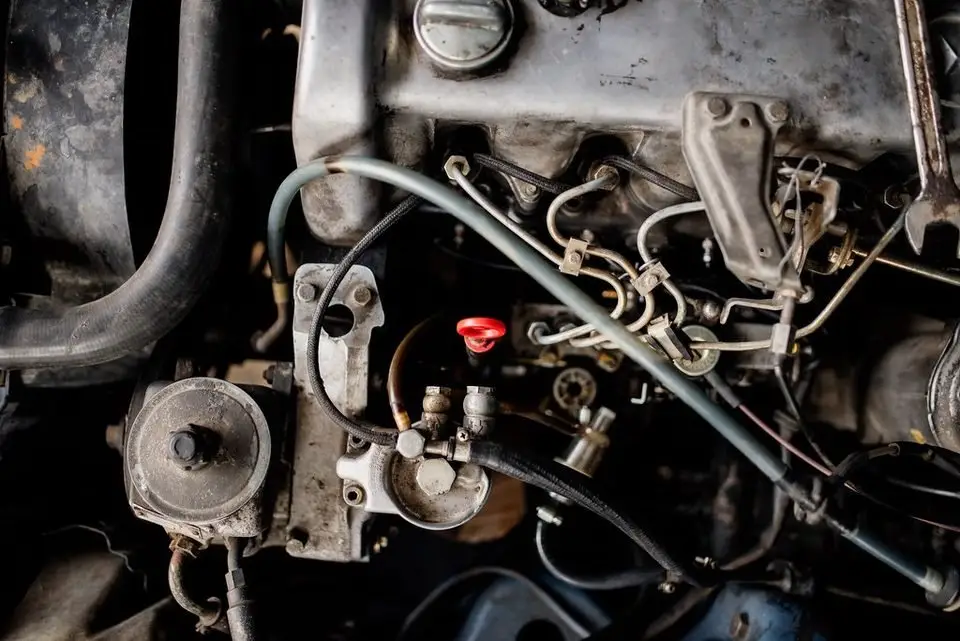
| Job | Labor time | Typical total (independent shop) |
|---|---|---|
| Easy-access sensor, aftermarket part | 0.3–0.8 hr | $100–$250 |
| Easy-access sensor, OEM part | 0.3–0.8 hr | $150–$350 |
| Hard-to-reach sensor | 1.5–4 hrs | $400–$800+ |
| Dealership replacement | Varies | $250–$600+ |
| Connector or wiring repair | 0.5–2 hrs | $100–$400 |
| Diagnostic, if needed | 0.5–1 hr | $100–$200 |
What the camshaft position sensor does
The camshaft position sensor reads a toothed wheel or notched target on the camshaft. Each time a tooth passes, the sensor sends a pulse to the engine computer. Together with the crankshaft position sensor, it tells the computer exactly where each piston is in its cycle, so it can time fuel injection and spark to the right cylinder. On engines with variable valve timing, the cam sensor also confirms that the camshaft is moving to the position the computer commanded.
Most engines with dual overhead cams and variable timing have more than one cam sensor, often one for each camshaft. A V6 may have two to four.
Camshaft vs. crankshaft position sensor
The two sensors work as a team but do different jobs. The crankshaft sensor tracks engine speed and crankshaft position, and on most engines the car won’t start or run at all without its signal. The camshaft sensor tells the computer which stroke each cylinder is on. Many engines can still start and run with a bad cam sensor by guessing or using a backup strategy, though they may crank longer, run rough or lose power. Others won’t start without it.
Crank sensors are often harder to reach, so they usually cost more to replace. See our crankshaft position sensor replacement cost guide for those prices.
Symptoms of a bad camshaft sensor
Check engine light
This is the most common sign, and sometimes the only one at first. The computer sets a code when the signal is missing, erratic or doesn’t match the crankshaft signal.
Hard starting or no start
The engine may crank longer than normal before it fires while the computer works out cam position without the sensor. On some engines a dead cam sensor causes a crank-no-start.
Stalling and intermittent problems
A sensor that fails when hot is common. The car may run fine cold, then stall once it warms up and restart after it cools down.
Rough running, misfires and hesitation
An erratic signal can throw off fuel and spark timing, causing a rough idle, misfires, jerking or a lack of power. Some cars go into a reduced-power mode.
Worse fuel economy
When the computer falls back to a default strategy, fuel delivery is less precise and mileage often drops.
Shifting problems on some vehicles
On some cars, the transmission computer uses engine data, and a bad sensor signal can cause harsh or delayed shifts or keep the transmission in one gear.
Common codes: the P0340 family and correlation codes
Cam sensor codes fall into two broad groups. The exact wording and which bank or sensor letter each code refers to vary by engine, so look up your code for your vehicle.
- Circuit and signal codes (P0340 to P0349, and related codes such as P0365 and P0390): the computer sees no signal, a weak or erratic signal, or a voltage that is too high or too low from a cam sensor. These point toward the sensor, its connector or its wiring.
- Correlation codes (P0016 to P0019): the cam and crank signals don’t line up the way they should. A bad sensor can cause these, but they often mean a timing problem such as a stretched timing chain, a belt that skipped a tooth or a variable valve timing fault.
A circuit code with no other symptoms is usually a sensor or wiring issue. A correlation code, especially with a rattle on startup, deserves a closer look at the timing components before you buy a sensor.
Problems that mimic a bad cam sensor
- Wiring and connectors. Heat, vibration and oil can damage the harness near the engine. A loose, corroded or oil-soaked connector is a common cause of cam sensor codes.
- Oil leaking into the connector. Some sensors can leak oil past their seal into the connector and wiring, which causes repeat failures until the wiring is cleaned or repaired.
- Timing chain stretch or a skipped belt. The sensor reads correctly, but the camshaft is no longer where it should be. Replacing the sensor won’t help. See our timing belt replacement cost guide.
- Variable valve timing problems. A sticking oil control solenoid, low oil level or sludgy oil can move cam timing out of range.
- Damaged reluctor or target wheel. If the teeth the sensor reads are damaged or loose, the signal will be wrong even with a new sensor.
- Battery or charging problems. Low system voltage can cause odd sensor readings on some cars.
Inspect before you buy
Before replacing the sensor, unplug the connector and look for oil, green corrosion or bent pins, and check the harness for rubbed-through spots. Check the oil level too. A $0 fix is worth five minutes.
Why the part is cheap but the bill may not be
The sensor itself is usually inexpensive: about $25–$80 for many aftermarket units and $50–$150 or more for OEM. On many four-cylinder engines it is easy to reach, so labor might be a quarter to three quarters of an hour. But on some V6 and V8 engines, a sensor sits at the back of the engine near the firewall, under the intake manifold or behind the timing cover, and labor can run several hours. That is why two cars can see very different quotes for the same job. Ask the shop how many hours the published labor time lists for your engine.
If the shop also has to trace the problem, expect a diagnostic fee of about $100–$200. Many shops apply part of that toward the repair.
OE-supplier vs. cheap aftermarket sensors
Position sensors are one area where part quality really shows. Bargain sensors sometimes fail quickly, give a slightly different signal shape or don’t fit as tightly to the target wheel, which can bring the code right back. A good choice is the OE-supplier part, meaning the brand that makes the factory sensor, such as Bosch, Denso, Hitachi, Delphi or Standard Motor Products, depending on your engine. These usually cost a little more than the cheapest option and much less than a dealer-boxed part. Make sure the new sensor comes with a fresh O-ring.
Can you replace a camshaft sensor yourself?
On engines where the sensor is on top or the front of the engine, this is a straightforward DIY job. Disconnect the battery if your manual says to, unplug the connector, remove the bolt, pull the sensor out with a twist, lightly oil the new O-ring and install the new one. Torque the bolt to spec, since these bolts go into aluminum and strip easily. Clear the codes and test-drive the car. If the sensor is buried or behind the timing cover, it’s usually a shop job. Make sure you replace the right sensor on engines with several, since bank and intake/exhaust labels matter.
Don’t ignore a rattle with correlation codes
If cam/crank correlation codes come with a rattle at startup, have the timing chain checked soon. A chain or guide that fails completely can cause major engine damage on many engines.
Useful on Amazon for this job
As an Amazon Associate we earn from qualifying purchases. Always confirm fit for your exact vehicle or ask your dentist.
Before you replace a camshaft sensor
- Many cam codes aren’t the sensor. Timing correlation codes can come from low oil, a sticking VVT solenoid or a stretched timing chain.
- Access varies. Most sensors are one bolt on the head, but some sit behind covers or under the intake.
- Buy an OE-quality sensor. Cheap sensors are a common cause of hot no-starts and stalling.
- Check the connector. If oil has leaked into the plug, replace the pigtail too. On some engines oil can wick through the wiring, so fix the leak.
- Twist, don’t pull. Old plastic sensors can snap off in the head. Make sure the old O-ring didn’t stay in the bore.
- Ask for proof. A good shop checks oil, VVT data and wiring before condemning the sensor.
Super Car Digest · $14
The Used Car Buying Playbook
Thinking about a used car with a check engine light on? Learn how to screen it before you buy, tell a cheap sensor from a timing problem, and negotiate the price around it. Budget worksheet, 15-minute VIN screen, test-drive routine, word-for-word negotiation scripts and a 10-point contract check.
Frequently asked questions
How much does it cost to replace a camshaft position sensor?
About $100–$350 at an independent shop for most cars, and $400–$800 or more when the sensor is hard to reach. Estimates as of 2026.
What are the symptoms of a bad camshaft sensor?
A check engine light, long cranking or no start, stalling when warm, rough running, misfires, reduced power and lower fuel economy.
Can I drive with a bad camshaft position sensor?
Some cars keep running, but stalling in traffic or not restarting is a real risk. Get it fixed soon.
What does code P0340 mean?
It means a problem in the camshaft position sensor circuit. The cause can be the sensor, its connector or the wiring.
Should I replace the cam and crank sensors together?
Not unless both test bad or the labor overlaps. Replace the sensor the diagnosis points to.
How long does a camshaft sensor last?
Many last 100,000 miles or more, but heat and oil leaks can cause earlier failure.
Sources and methodology
Price ranges combine 2026 estimates from the RepairPal estimator for camshaft position sensor replacement, published labor-time guides, current retail pricing for aftermarket, OE-supplier and OEM sensors, and labor at typical 2026 shop rates ($100–$175/hr independent, $150–$250/hr dealer). Background on onboard diagnostics comes from the U.S. Environmental Protection Agency, recall and service bulletin lookups from NHTSA, and maintenance guidance from the Car Care Council. These are estimates; your quote will vary by vehicle, region and condition.