Key takeaways
- The cost to replace a timing belt is usually $500–$1,000 on a four-cylinder engine at an independent shop.
- Most shops recommend a kit with the water pump, tensioner and idlers, which typically brings the total to $700–$1,500.
- Many V6 engines, especially in minivans and SUVs, run $900–$1,800 because of extra labor.
- On an interference engine, a broken belt can bend valves and cost $2,000–$5,000+, so stick to the schedule in your owner’s manual.
- Estimates as of 2026; many newer engines use a timing chain, which usually has no fixed replacement interval.
The cost to replace a timing belt in 2026 is typically $500 to $1,000 for a four-cylinder engine at an independent shop and $900 to $1,800 for many V6 engines. Because the job takes several hours of labor and most of that labor overlaps with the water pump, tensioner and idler pulleys, most shops replace them all as a kit, which often lands between $700 and $1,500. Dealers usually charge more. The interval depends on your engine, so check your owner’s manual. This guide explains what drives the price, why interference engines make timing belts so important, and how belts compare with timing chains.
📩 Important: after you sign up, open the email from Super Car Digest and tap Confirm. Your checklist opens right away. Not there? Check Spam or Promotions.
Timing belt replacement cost in 2026 at a glance
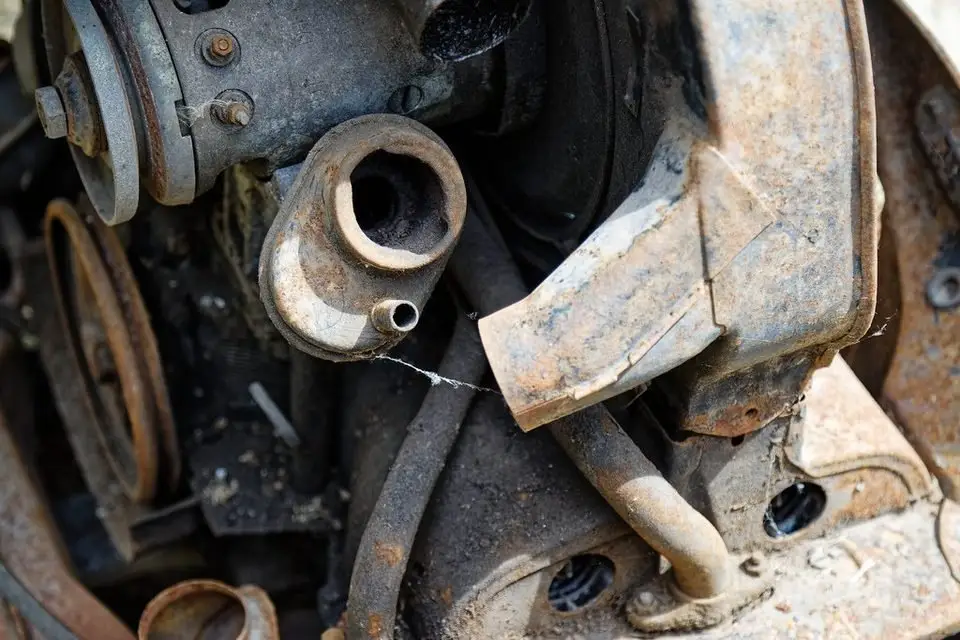
| Job | Labor time | Typical total (independent shop) |
|---|---|---|
| Belt only, 4-cylinder | 2.5–4 hrs | $500–$1,000 |
| Belt kit + water pump, 4-cyl | 3–4.5 hrs | $700–$1,300 |
| Belt only, V6 | 4–6 hrs | $750–$1,400 |
| Belt kit + water pump, V6 | 4.5–7 hrs | $900–$1,800 |
| Dealership, belt + water pump | Same | $1,100–$2,500 |
| Broken belt, interference engine | 10+ hrs | $2,000–$5,000+ |
What the timing belt does
The timing belt is a toothed rubber belt that links the crankshaft to the camshaft or camshafts. It keeps the valves opening and closing in exact step with the pistons. On many engines it also drives the water pump. Unlike the serpentine belt you can see on the front of the engine, the timing belt is hidden behind covers, which is why replacing it takes hours.
Timing belts wear out with time and miles. The rubber hardens and cracks, the teeth wear, and oil or coolant leaks can soften the belt. There is often little or no warning before it snaps.
Interference vs. non-interference engines
This is the most important question for any timing belt owner.
- Interference engine: the valves and pistons share space at different moments. If the belt breaks, the camshaft stops, valves stay open, and pistons hit them. The result is bent valves and sometimes damaged pistons, often a $2,000–$5,000+ repair or a reason to replace the engine.
- Non-interference engine: there is enough clearance that a broken belt usually just stops the engine. You need a tow and a new belt, but the engine is usually not damaged.
Many common engines are interference designs. Your owner’s manual, a dealer service department or a trusted shop can tell you which type you have.
Don’t stretch the interval
If you have an interference engine and you are near or past the recommended timing belt interval, schedule the job soon. The cost of waiting can be the engine.
When to replace a timing belt
There is no single interval for every car. Manufacturers set their own schedules, often listed by both miles and years, and many fall somewhere in the 60,000 to 105,000 mile range. The time limit matters because rubber ages even if the car sits. Many schedules also call for earlier replacement under severe conditions such as extreme heat, towing or lots of idling.
Check your owner’s manual or maintenance schedule for your exact engine. If you bought the car used and have no records showing the belt was done, many mechanics will treat it as due once the car is near or past the interval.
Why shops replace the water pump and tensioner too
Most of the cost is labor to remove covers, accessories and sometimes an engine mount just to reach the belt. On engines where the water pump is driven by the timing belt, it sits right behind the belt. Replacing it later means paying almost the same labor again. The same is true for the tensioner and idler pulleys: a seized pulley or failed tensioner can destroy a brand-new belt.
A complete kit usually costs $100–$300 in aftermarket parts more than a belt alone, and often far less than a second round of labor. Many shops also replace the cam and crank seals if they are leaking, since oil can ruin a belt early. On some engines, the job is a good time to replace the accessory belts and coolant too.
Keep the receipt
A documented timing belt job adds value when you sell the car. Buyers who know about timing belts often ask for proof, and a recent receipt can make a high-mileage car easier to sell.
Signs your timing belt may be failing
- Ticking or slapping noise from the front of the engine.
- Whining or squealing from a worn tensioner or idler pulley.
- Coolant leak near the timing cover, often from a water pump behind the belt.
- Engine cranks but won’t start after a sudden stall, a common sign the belt has broken.
- Misfires or a check engine light with cam/crank correlation codes, which can mean a belt has skipped a tooth. A failing crankshaft position sensor can cause similar codes.
Many belts give no warning, which is why following the schedule matters more than listening for symptoms.
Can you replace a timing belt yourself?
Experienced home mechanics do it, but it is one of the riskier DIY jobs. You need to remove covers and accessories, lock the camshafts and crankshaft in the correct position, often with engine-specific locking tools, set the tensioner correctly and torque the crank bolt to spec. A single tooth off can cause poor running, and on an interference engine a bigger mistake can damage valves the first time you crank it. If you try it, follow a factory service manual for your exact engine and turn the engine over by hand twice before starting it. For most owners, the labor savings are not worth the risk.
Timing belt vs. timing chain
Many newer engines use a metal timing chain instead of a belt. Chains run inside the engine, are lubricated by oil, and generally have no fixed replacement interval. They can still wear and stretch, especially if oil changes are skipped. A worn chain may rattle on startup and set timing codes, and replacing one can cost $1,000–$2,500 or more because more of the engine has to come apart. Low oil pressure can also hurt chain tensioners; see our oil pump replacement cost guide.
If you are shopping for a used car, find out which one the engine has. A car near its belt interval should cost less, or come with proof the job was done. Our guide on how many miles is too many for a used car covers other high-mileage items to budget for.
How to pay less without cutting corners
- Get two or three quotes that list the same parts, including the water pump.
- Use an independent shop that knows your brand.
- Choose a quality kit from a known brand rather than the cheapest one.
- Do it on schedule rather than after it breaks.
- Weigh the car’s value. On an older car with other problems, use our repair or replace calculator.
Useful on Amazon for this job
As an Amazon Associate we earn from qualifying purchases. Always confirm fit for your exact vehicle or ask your dentist.
Tips that protect your engine (and your wallet)
- Know if your engine is interference. Many Honda V6 (J-series) and Toyota V6 and V8 engines with belts, older Subaru boxers and many VW/Audi engines can bend valves if the belt breaks.
- Buy a complete kit from a known brand such as Aisin, Gates, Continental or Mitsuboshi. A cheap idler pulley or tensioner that seizes can ruin the engine just like a broken belt.
- Water pump labor should overlap. When the pump is driven by the belt, replacing it adds parts cost but little extra labor. Be wary of full separate labor hours for it.
- Fix oil leaks at the front of the engine. Cam and crank seals behind the belt can leak oil onto the new belt and shorten its life.
- For DIY, timing marks must line up exactly, and the engine should be turned by hand two full turns to recheck before starting it.
Super Car Digest · $14
The Used Car Buying Playbook
Looking at a high-mileage car? Find out if the timing belt is due before you pay, and use it to negotiate. Budget worksheet, 15-minute VIN screen, test-drive routine, word-for-word negotiation scripts and a 10-point contract check.
Frequently asked questions
How much does it cost to replace a timing belt?
About $500–$1,000 for a four-cylinder and $750–$1,800 for many V6 engines at an independent shop, depending on whether the water pump is included. Estimates as of 2026.
How often should a timing belt be replaced?
Follow your owner’s manual. Many intervals fall between 60,000 and 105,000 miles, with a time limit in years as well.
Should I replace the water pump with the timing belt?
If the belt drives the water pump, usually yes. The extra part cost is small compared with paying the labor twice.
What happens if a timing belt breaks?
The engine stops immediately. On an interference engine, valves and pistons can collide, causing expensive internal damage.
How long does a timing belt job take?
Usually 3 to 7 hours of labor, so many shops keep the car for a day.
Does my car have a timing belt or chain?
Check your owner’s manual maintenance schedule. If it lists a timing belt replacement interval, you have a belt.
Sources and methodology
Price ranges combine 2026 estimates from the RepairPal estimator for timing belt replacement, published labor-time guides, current retail pricing for timing belt kits and water pumps, and labor at typical 2026 shop rates ($100–$175/hr independent, $150–$250/hr dealer; AAA has reported national averages around $140/hr). These are estimates; your quote will vary by engine, region and condition.