Key takeaways
- The most common symptoms of a bad torque converter are a shudder at 30–50 mph that feels like driving over rumble strips, slipping, overheating, stalling when you stop and whirring or grinding noises.
- A check engine light with P0741 or other torque converter clutch codes often comes with these symptoms.
- Not every shudder means a new converter. Worn fluid, a bad solenoid or outdated software can cause the same feel and cost far less to fix.
- A torque converter replacement usually runs $1,000–$2,500 because the transmission has to come out.
- Estimates as of 2026; costs vary by vehicle, transmission type and region.
The main symptoms of a bad torque converter are a shudder or vibration at steady speeds around 30 to 50 mph, engine speed rising without the car speeding up, a transmission that runs hot, stalling when you come to a stop, and whirring, clicking or grinding noises in gear. Many come from the torque converter clutch and set codes such as P0741. Some cases are fixed with a fluid service, a solenoid or a software update for a few hundred dollars. When the converter itself has failed, replacement usually costs $1,000 to $2,500 in 2026. This guide covers how to recognize each symptom, what causes them, how shops diagnose the problem and what each fix typically costs.
📩 Important: after you sign up, open the email from Super Car Digest and tap Confirm. Your checklist opens right away. Not there? Check Spam or Promotions.
Torque converter fixes and typical costs at a glance
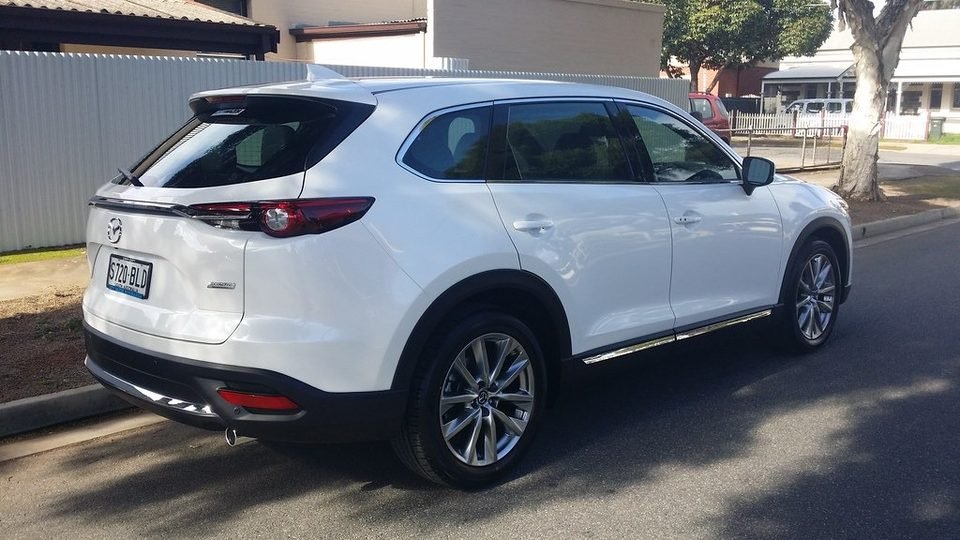
| Repair | When it’s used | Typical cost |
|---|---|---|
| Transmission fluid drain and fill | Old or burnt fluid, mild shudder | $150–$400 |
| Software update (reflash) | Known shudder covered by a service bulletin | $100–$250 |
| TCC solenoid or solenoid pack | Electrical code, converter won’t lock | $300–$900 |
| Valve body replacement | Worn or sticking valve body | $800–$2,000 |
| Torque converter replacement | Failed converter or clutch | $1,000–$2,500 |
| Transmission rebuild | Internal damage beyond the converter | $2,800–$5,500 |
| Remanufactured transmission, installed | Major failure, newer or complex units | $3,500–$7,000+ |
What the torque converter does
In a car with a traditional automatic transmission, the torque converter sits between the engine and the transmission. It is a sealed, doughnut-shaped unit filled with transmission fluid. One side spins with the engine and pushes fluid against the other side, which drives the transmission. That fluid coupling is what lets the car sit still in gear at a stop without stalling, and it multiplies torque when you pull away.
Because fluid coupling always slips a little and wastes fuel, most converters have a torque converter clutch (TCC), also called a lockup clutch. At steady cruising speeds, the transmission computer applies the clutch to lock the engine and transmission together. Many of the problems people notice happen when that clutch applies, releases or partially slips.
Manual and dual-clutch transmissions use a clutch instead of a torque converter. Many continuously variable transmissions (CVTs) do use a torque converter, so several of the symptoms below can apply to them too.
7 symptoms of a bad torque converter
1. Shudder at 30 to 50 mph
This is the classic sign. At light throttle on a flat road, often between about 30 and 50 mph, the car shakes as if you were driving over rumble strips. It usually happens as the converter clutch tries to lock up. Pressing harder or lifting off often makes it stop.
2. Slipping
The engine revs climb, but the car doesn’t accelerate to match, especially at highway speed. On a car with a tachometer, you may see the RPM flare up a few hundred revs while cruising.
3. Overheating
A slipping converter turns energy into heat. You may see a transmission temperature warning, smell burnt fluid, or notice the fluid has turned dark. Heat is the main enemy of an automatic transmission and can damage other parts quickly.
4. Stalling when you come to a stop
If the converter clutch stays locked when it should release, the engine is connected directly to the wheels at a stop, like letting out the clutch on a manual without pressing it in. The engine bogs down or stalls when you brake to a stop or shift into gear.
5. Whirring, clicking or grinding noises
Worn bearings or damaged fins inside the converter can make a whirring or grinding noise in gear that may go away in Park or Neutral. A clicking noise can come from cracked flexplate bolts or the flexplate itself, which is related but cheaper to fix.
6. Poor acceleration from a stop
A damaged converter can stop multiplying torque, so the car feels weak pulling away even though the engine seems healthy.
7. Check engine light with TCC codes
The transmission computer compares engine speed with transmission input speed. When the converter slips more than it should, the computer sets a code. P0741 generally means the torque converter clutch circuit is not performing as expected or is stuck off. Related codes include P0740 for the TCC circuit, P0742 for stuck on, and other codes in that range that vary by manufacturer. A code tells you where to look, not which part to replace.
Don’t ignore overheating or stalling
A shudder alone is usually an annoyance at first. Overheating, burnt-smelling fluid or stalling at stops can lead to bigger damage or a breakdown in traffic. Get the car checked soon if you notice these.
What causes torque converter problems
- Worn or contaminated fluid. Transmission fluid carries special friction additives the converter clutch depends on. As those wear out, the clutch can grab and release unevenly, causing shudder.
- Heat. Towing, heavy loads, mountain driving and stop-and-go traffic all raise fluid temperature and wear out the fluid and clutch lining faster.
- Solenoid or valve body problems. The TCC solenoid and valves in the valve body control when and how hard the clutch applies. A sticking valve or failed solenoid can mimic a bad converter.
- Software. Some vehicles have had shudder complaints addressed by updated transmission programming that changes how the clutch applies.
- Internal damage. Worn bearings, damaged seals or broken internal parts require replacing the converter.
How shops diagnose a torque converter
A good diagnosis saves money, since the cheaper fixes can solve the same symptom. Expect a $100–$200 diagnostic fee. A typical process:
- Check the fluid. The level, color and smell matter. Dark, burnt fluid or debris on the dipstick or in the pan suggests heat or wear.
- Read the codes and live data. With a scan tool, the shop compares engine speed with transmission input speed, and watches TCC slip and commanded lockup during a test drive.
- Look up service bulletins. Manufacturers publish technical service bulletins for known problems, and some converter shudder issues have specific fixes such as a fluid change with a specific fluid or a software update. NHTSA’s recall lookup by VIN also lists manufacturer communications.
- Test the solenoid and wiring if there is an electrical code.
Ask about warranty coverage first
Many powertrain warranties cover the torque converter, and some carmakers have extended coverage on specific transmissions. Check your warranty booklet and ask a dealer before paying for a repair.
A caution about fluid service on a high-mileage transmission
Fresh fluid is often the first step for a mild shudder, and a drain and fill with the exact fluid your manufacturer specifies is low risk on a transmission that has been maintained. The wrong fluid can cause shudder by itself.
On a neglected, very high-mileage transmission, many technicians prefer gentle drain-and-fill services over a machine flush. If the fluid is already burnt and the transmission is slipping badly, new fluid is unlikely to fix worn parts, and the problem may show up soon after the service, which is why some people blame the fluid change. Talk with the shop about the condition of the fluid before choosing a service.
Torque converter replacement and repair costs
The converter itself often costs $200–$800 for many cars, and more for trucks and some newer transmissions. The big cost is labor: the transmission has to come out to reach it, which takes about 5 to 10 hours on many vehicles, longer on some all-wheel-drive models. That brings most bills to $1,000–$2,500 at an independent shop.
If debris from a failed converter has spread through the transmission, replacing only the converter can lead to a repeat failure. In that case, shops may recommend a rebuild or a remanufactured transmission, plus cleaning or replacing the cooler.
Is it safe to drive with a bad torque converter?
A mild shudder with normal temperatures can often be driven for a short time while you set up a diagnosis, though it can get worse. Driving with slipping, overheating or stalling is not a good idea. Heat can damage the rest of the transmission and turn a converter job into a full rebuild, and a car that stalls at intersections or loses power on the highway is a safety risk.
Is it worth fixing?
On most cars worth more than a few thousand dollars, a converter or transmission repair is often worth it, especially if the rest of the car is solid. On an older, high-mileage car with other problems, compare the repair estimate with the car’s value. Our repair or replace calculator and our guide on whether it’s worth fixing an old car can help.
Useful on Amazon for this job
As an Amazon Associate we earn from qualifying purchases. Always confirm fit for your exact vehicle or ask your dentist.
What to check before replacing a torque converter
- Confirm it’s the converter. A shudder at light throttle can also be a misfire. A shop should check live converter slip data and look for service bulletins first.
- Some shudders are fixed with fluid. For example, GM issued a bulletin for some of its 8-speed automatics calling for a fluid exchange with an updated fluid.
- Valve body or solenoid problems can mimic it and can also damage a new converter if not fixed.
- Labor is close to a transmission job, because the transmission must come out. If the fluid is full of debris, a converter alone may not be worth it.
- Replace the front pump seal and flush the cooler while it’s apart, so debris doesn’t ruin the new converter.
- The converter must be fully seated before the transmission is bolted up; a poorly seated converter can damage the pump.
Super Car Digest · $14
The Used Car Buying Playbook
Facing a transmission bill, or shopping for a used car? Learn the test-drive checks that catch converter shudder and slipping before you buy, and how to negotiate when you find them. Budget worksheet, 15-minute VIN screen, test-drive routine, word-for-word negotiation scripts and a 10-point contract check.
Frequently asked questions
What does a bad torque converter feel like?
Usually a shudder like driving over rumble strips at 30–50 mph, or engine revs rising without the car speeding up.
What does code P0741 mean?
It generally means the torque converter clutch isn’t performing as expected or is stuck off. Fluid, the solenoid, the valve body or the converter can be the cause.
How much does it cost to replace a torque converter?
About $1,000–$2,500 at an independent shop for most vehicles, mostly labor. Estimates as of 2026.
Can a fluid change fix torque converter shudder?
Sometimes. If the shudder comes from worn fluid, fresh fluid of the correct type can help. It won’t fix worn or damaged parts.
Can a bad torque converter damage the transmission?
Yes. Heat and debris from a failing converter can damage other parts of the transmission.
How long does a torque converter last?
Many last the life of the transmission, but heat, towing and neglected fluid can shorten that.
Sources and methodology
Price ranges combine 2026 estimates from the RepairPal estimator for torque converter and transmission work, published labor-time guides, current retail pricing for converters, solenoids and remanufactured transmissions, and labor at typical 2026 shop rates ($100–$175/hr independent, $150–$250/hr dealer). Recall and manufacturer communication lookups come from NHTSA, maintenance guidance from the Car Care Council, and consumer repair advice from the Federal Trade Commission. These are estimates; your quote will vary by vehicle, region and condition.