Key takeaways
- The most common symptoms of a bad starter are a single click, grinding, or no crank while the dash lights stay bright.
- Rapid clicking with dim lights usually points to a weak battery, not the starter.
- Many auto parts stores test batteries, starters and alternators free, so test before you buy parts.
- Starter replacement usually costs $350–$900 at an independent shop and more on engines where the starter is buried.
- Estimates as of 2026; your cost depends on the vehicle, part choice and labor time.
The main symptoms of a bad starter are a single loud click when you turn the key, a grinding or whirring noise, the engine not cranking even though the lights and radio work normally, and starts that only work some of the time. A weak battery causes similar problems, so the first step is a quick battery test, which many parts stores do for free. If the battery and cables are good, the starter is the likely culprit, and replacement usually costs $350 to $900 at an independent shop in 2026. This guide shows how to tell a bad starter from a bad battery or alternator, what each sound means, and what repairs cost.
📩 Important: after you sign up, open the email from Super Car Digest and tap Confirm. Your checklist opens right away. Not there? Check Spam or Promotions.
Bad starter symptoms, causes and costs at a glance
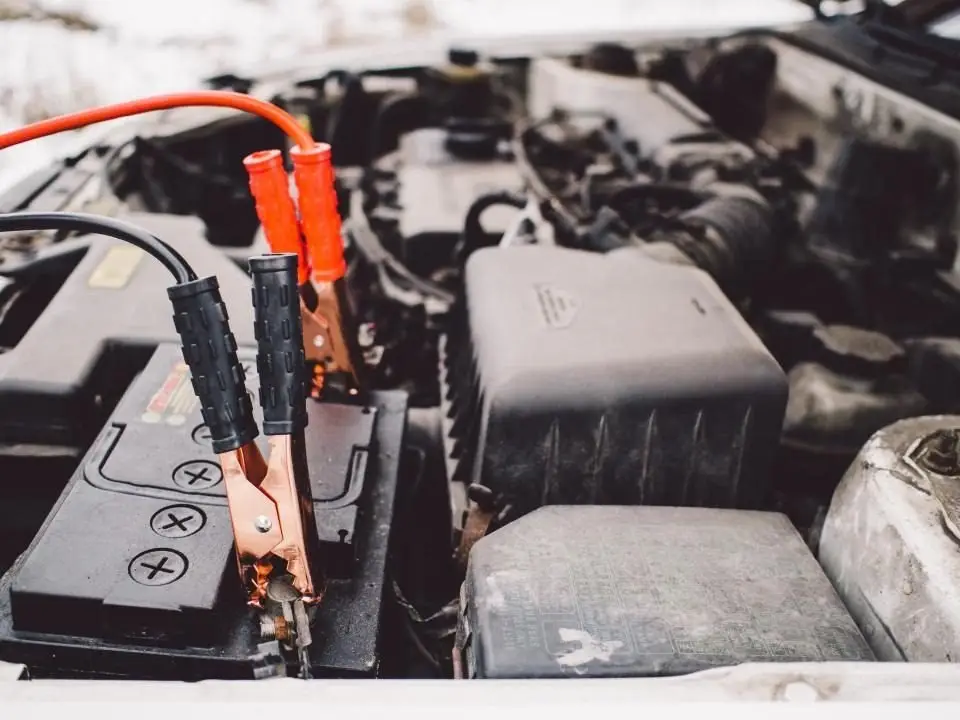
| Symptom | Likely cause | Typical fix cost |
|---|---|---|
| Single click, no crank, bright lights | Starter solenoid or motor | $350–$900 |
| Rapid clicking, dim lights | Weak battery | $120–$400 |
| Grinding when starting | Worn starter gear or flywheel | $350–$1,500 |
| Whirring, engine doesn’t turn | Starter drive not engaging | $350–$900 |
| Slow crank | Battery, cables or starter | $20–$900 |
| Nothing at all | Battery, ignition switch, relay, fuse | $10–$400 |
| Smoke or burning smell | Overheated starter or wiring | $350–$1,000+ |
For a detailed price breakdown by vehicle type, see our starter motor replacement cost guide.
What the starter does
The starter is a small, powerful electric motor bolted to the engine near the transmission. When you turn the key or press the start button, a solenoid on the starter pushes a small gear forward to mesh with the teeth on the engine’s flywheel or flexplate, then sends heavy current to the motor to spin the engine. Once the engine fires, the gear pulls back.
Starters wear out from heat, age and repeated use. The brushes inside the motor wear down, the solenoid contacts burn, and the drive gear can chip. Many starters last well over 100,000 miles, but heat from nearby exhaust parts and lots of short trips can shorten that.
7 symptoms of a bad starter
1. A single click and no crank
You turn the key, hear one solid click, and nothing else happens. The dash lights stay bright. This often means the solenoid is engaging but the motor isn’t spinning, or the solenoid contacts are worn.
2. Grinding noise
A harsh grinding sound during or right after starting can mean the starter gear is not meshing fully with the flywheel, or the gear does not pull back after the engine starts. Ignore it too long and you can damage the flywheel teeth, which turns a starter job into a much bigger repair.
3. Whirring without cranking
If you hear the starter spinning freely but the engine doesn’t turn, the drive gear is not engaging. The starter needs replacement.
4. Intermittent starting
The car starts fine one day and only clicks the next. Dead spots in a worn motor are a common cause. This is the stage when people resort to tapping the starter.
5. Slow cranking with a good battery
If the battery tests good but the engine turns over sluggishly, a worn starter drawing too much current can be the problem. Corroded or loose cables can cause the same symptom.
6. Smoke or a burning smell
A starter that keeps running or is cranked too long can overheat. If you smell burning electrical insulation, stop trying to start the car and have it checked.
7. Starter keeps running after the engine starts
A high-pitched whine after the engine is running points to a stuck solenoid or ignition switch fault. This can quickly destroy the starter and flywheel.
Bad starter vs. battery vs. alternator
These three parts work together, so their symptoms overlap. Here is a simple way to narrow it down:
- Battery: rapid clicking, dim or flickering dash lights, slow crank, and the car starts after a jump. See our car battery replacement cost guide.
- Starter: one click or no sound, lights stay bright, and a jump start does not help.
- Alternator: the car starts after a jump but dies again later, the battery light comes on while driving, or headlights dim at idle. A bad alternator lets the battery drain, which then looks like a starting problem.
If the engine cranks normally but won’t fire, the starter is doing its job. Look instead at fuel, spark or sensors such as the crankshaft position sensor.
Check the simple things first
Clean and tighten the battery terminals, check the main ground strap, and make sure an automatic is fully in Park or Neutral. A worn neutral safety switch or clutch switch can block the starter signal and mimic a bad starter.
The tapping trick (use with caution)
An old trick is to tap the starter body lightly with a hammer or tire iron while someone turns the key. If worn brushes or a dead spot in the motor are the problem, the tap can jolt it into working one more time. If it works, that confirms the starter is failing.
Safety warning
Only try this with the car in Park or Neutral, the parking brake set, and nobody in front of or under a moving vehicle. Stay away from hot exhaust parts, belts and fans. Never short across the starter terminals with a screwdriver. If you can’t reach the starter safely, call for a tow or mobile mechanic.
Treat a successful tap as a warning, not a fix. The starter can fail completely the next time, and it rarely chooses a convenient place.
Starter repair and replacement costs
On most four-cylinder cars, the starter is easy to reach and the job takes 1 to 2 hours. A remanufactured starter costs about $100–$300, and a new one $150–$500. With labor at $100–$175 per hour, most bills land around $350–$700. V6 and V8 engines with the starter under the intake manifold or behind other parts can take 3 to 5 hours, pushing the total past $900, and dealers often charge $600–$1,200 or more.
Expect $50–$150 for a diagnostic if the shop has to trace a no-start, though some shops waive it if you have them do the repair. If grinding has damaged the flywheel or flexplate, that adds several hundred dollars or more, because the transmission may need to come out.
New vs. remanufactured starters
Most parts stores sell both. A remanufactured starter is a used unit that has been rebuilt with new wear parts and tested. It usually costs less and often comes with a long or lifetime warranty from the store. A new aftermarket or OEM starter costs more but avoids the variation in rebuild quality. On a starter that is easy to reach, a good reman unit is a sensible choice. On a buried starter where labor is several hours, many owners prefer a new or OEM unit to avoid paying that labor twice. Ask whether the warranty covers only the part or also labor.
Is it worth fixing?
A starter is a normal wear part and is usually worth replacing, even on an older car. The decision only gets harder when the starter is one of several large repairs. Use our repair or replace calculator to compare the total against the car’s value.
Useful on Amazon for this job
As an Amazon Associate we earn from qualifying purchases. Always confirm fit for your exact vehicle or ask your dentist.
Super Car Digest · $14
The Used Car Buying Playbook
Big repair bill on an older car? Before you pay for it, run the numbers on replacing the car — and if you do switch, don’t overpay for the next one. Budget worksheet, 15-minute VIN screen, test-drive routine, word-for-word negotiation scripts and a 10-point contract check.
Frequently asked questions
What are the first signs of a bad starter?
Occasional single clicks, slow or uneven cranking, and grinding noises are common early signs. They often come and go before the starter fails completely.
How do I know if it’s my starter or my battery?
If a jump start fixes it and the lights were dim, it’s likely the battery. If the lights stay bright and a jump doesn’t help, the starter is more likely. A free parts-store test can confirm.
Can a bad starter drain the battery?
It can. A starter that draws too much current or a stuck solenoid can pull the battery down, especially after repeated start attempts.
How much does it cost to replace a starter?
Usually $350–$900 at an independent shop and $600–$1,200 or more at a dealer. Estimates as of 2026.
Can I drive with a bad starter?
Once the engine is running, the starter isn’t needed. The risk is getting stranded the next time you shut it off.
How long does a starter last?
Many last 100,000–150,000 miles or more, but heat, short trips and frequent starts can shorten their life.
Sources and methodology
Price ranges combine 2026 estimates from the RepairPal estimator for starter replacement, published labor-time guides, current retail pricing for new and remanufactured starters, and labor at typical 2026 shop rates ($100–$175/hr independent, $150–$250/hr dealer; AAA has reported national averages around $140/hr). These are estimates; your quote will vary by vehicle, region and condition.