Key takeaways
- Common symptoms of a bad mass air flow sensor include a check engine light, rough idle, hesitation when accelerating, stalling and worse fuel economy.
- Typical codes are P0100–P0104 (MAF circuit and range) and often P0171 or P0174 (system too lean).
- A dirty MAF can often be fixed with a $10–$15 can of MAF sensor cleaner.
- If cleaning doesn’t help, MAF sensor replacement usually costs $150–$450 at an independent shop.
- Estimates as of 2026; a vacuum leak or torn intake boot can cause the same symptoms, so test before buying parts.
The most common symptoms of a bad mass air flow sensor are a check engine light, rough or unstable idle, hesitation or jerking when you accelerate, stalling right after starting, and lower gas mileage. Codes P0100 through P0104 point directly at the MAF circuit, while lean codes such as P0171 often show up when a dirty sensor under-reports airflow. Many MAF problems are fixed by cleaning the sensor with a dedicated spray for about $10, and a replacement typically costs $150 to $450 at an independent shop in 2026. This guide explains the symptoms of a bad MAF sensor, what the codes mean, how to clean it safely, and when replacement makes sense.
📩 Important: after you sign up, open the email from Super Car Digest and tap Confirm. Your checklist opens right away. Not there? Check Spam or Promotions.
Bad MAF sensor symptoms at a glance
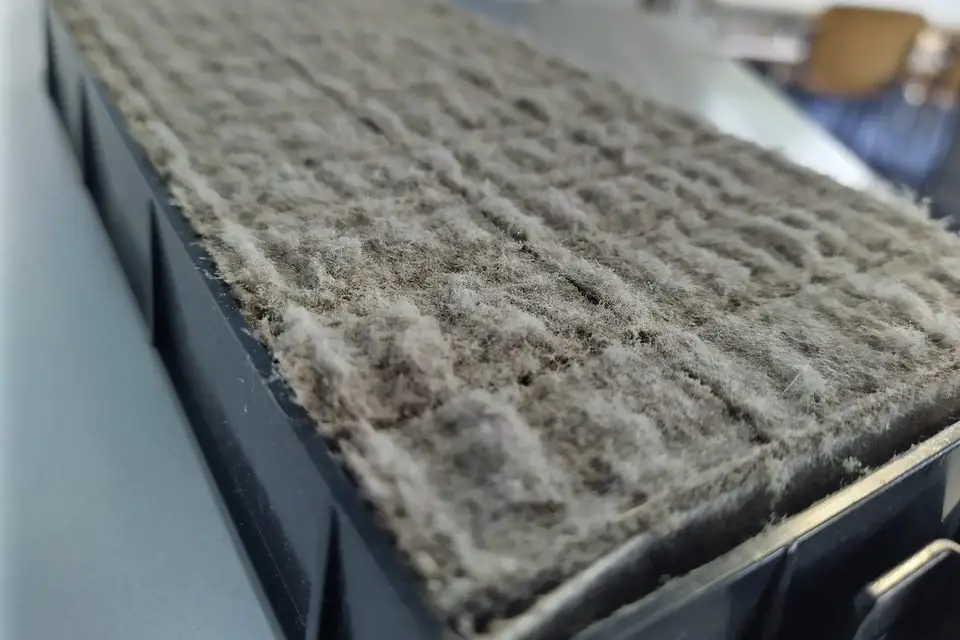
| Symptom | Likely cause | Typical fix cost |
|---|---|---|
| Check engine light, P0101 | Dirty or failing MAF | $10–$450 |
| P0102 / P0103 codes | MAF wiring or sensor | $100–$450 |
| P0171 / P0174 lean codes | Dirty MAF or vacuum leak | $10–$400 |
| Rough idle or stalling | MAF, vacuum leak, throttle body | $10–$450 |
| Hesitation when accelerating | MAF, ignition or fuel delivery | $10–$600 |
| Black smoke, rich running | MAF over-reading or fuel issue | $150–$500 |
| Poor fuel economy | MAF, O2 sensor or thermostat | $10–$450 |
What the mass air flow sensor does
The mass air flow (MAF) sensor sits in the intake tube between the air filter box and the throttle body. It measures how much air is entering the engine, usually with a heated wire or film. As air flows past, it cools the element, and the sensor converts that into a signal for the engine computer.
The computer uses this reading to decide how much fuel to inject. If the MAF reads less air than is really coming in, the engine runs lean. If it reads more, the engine runs rich. Either way, drivability and mileage suffer. Some engines use a manifold absolute pressure (MAP) sensor instead of, or alongside, a MAF.
Symptoms of a bad MAF sensor
1. Check engine light
This is often the first sign. A free code scan at many auto parts stores, or a basic OBD-II reader for $20–$40, will show the code.
2. Rough idle and stalling
Incorrect airflow readings make it hard for the computer to hold a steady idle. The engine may surge, shake, or stall right after starting or when you come to a stop.
3. Hesitation, jerking or lack of power
When you press the gas, the engine needs more fuel right away. A bad MAF signal can cause a stumble, a flat spot or a jerk, especially under load or when merging.
4. Hard starting
Some cars crank longer than usual or start and immediately die. Unplugging the MAF and starting the car can be a rough test: if it runs better unplugged, the sensor is suspect, since the computer falls back on estimated values.
5. Poor fuel economy and black smoke
A MAF that over-reads airflow makes the engine run rich, wasting fuel and sometimes causing black smoke or a fuel smell. Over time, rich running can foul spark plugs and damage the catalytic converter.
6. Transmission shifting oddly
On many automatics, the transmission uses engine load data, which comes partly from the MAF. Harsh or late shifts can show up alongside MAF codes.
MAF sensor codes explained
- P0100 – MAF circuit malfunction. Often a wiring, connector or sensor failure.
- P0101 – MAF circuit range/performance. The reading doesn’t make sense compared with other sensors. Dirty sensors, air leaks after the MAF, and clogged air filters are common causes.
- P0102 – MAF circuit low input. Can be a bad sensor, broken wire or poor connection.
- P0103 – MAF circuit high input. Often a shorted wire or failed sensor.
- P0104 – MAF circuit intermittent. Look for loose connectors or chafed wiring.
- P0171 / P0174 – System too lean, bank 1 / bank 2. A dirty MAF is one cause, but vacuum leaks, weak fuel pressure and leaking intake gaskets are also common.
Lean codes are not proof of a bad MAF. A good shop will check fuel trims with a scan tool and smoke-test for vacuum leaks before replacing the sensor. A failing upstream oxygen sensor can also confuse the picture; see our O2 sensor replacement cost guide.
How to clean a MAF sensor
Cleaning is worth trying first, especially if you have an oiled aftermarket air filter or haven’t changed the filter in a while.
- Turn the engine off and let it cool. Disconnect the MAF electrical connector.
- Remove the sensor from the intake tube. Most use two screws, some use security screws.
- Spray the sensing element with MAF sensor cleaner only, 10 to 15 short bursts. Do not touch the wires or film.
- Let it air dry completely, usually 10 to 20 minutes.
- Reinstall, reconnect, clear the code, and drive to see if it returns.
Use the right cleaner
Do not use brake cleaner, carburetor cleaner or compressed air. They can leave residue or damage the delicate sensing element. Use a spray labeled for mass air flow sensors.
Check the intake boot too
While the sensor is out, inspect the rubber intake tube between the MAF and the throttle body for cracks. Air that enters after the MAF is not measured and causes lean codes that look like a bad sensor.
MAF sensor replacement cost
If cleaning doesn’t help and testing confirms the sensor is bad, replacement is usually simple. Aftermarket MAF sensors cost about $60–$200, and OEM sensors $150–$400 or more. Labor is often 0.3 to 1 hour. Most independent-shop totals fall around $150–$450, while dealers commonly charge $300–$600. Add $100–$150 if the shop needs to diagnose a lean condition or smoke-test for leaks.
Very cheap sensors can read slightly off and cause the same symptoms you were trying to fix. On many vehicles, a quality aftermarket brand or OEM sensor is worth the difference. Also replace a dirty air filter at the same time.
What makes a MAF sensor fail
Most MAF problems start with contamination rather than a sudden electrical failure. Common culprits include:
- A dirty or poorly fitted air filter that lets dust reach the sensing element.
- Over-oiled reusable filters, which can coat the sensor with a thin film of oil.
- Oil vapor from a worn PCV system on some engines.
- Damaged wiring or a corroded connector, often after other engine work.
- Age and heat, which can eventually wear out the electronics.
Replacing the air filter on schedule and making sure the airbox is clipped shut are the cheapest ways to protect the sensor.
Can you drive with a bad MAF sensor?
Usually for a short time, yes. Many cars run in a backup mode with reduced performance. But long-term rich or lean running can foul spark plugs, overheat the catalytic converter, and make the car fail an emissions test. If the car stalls in traffic, get it fixed promptly. If your older car has several issues at once, our repair or replace calculator can help you decide what to do.
Useful on Amazon for this job
As an Amazon Associate we earn from qualifying purchases. Always confirm fit for your exact vehicle or ask your dentist.
Super Car Digest · $14
The Used Car Buying Playbook
Big repair bill on an older car? Before you pay for it, run the numbers on replacing the car — and if you do switch, don’t overpay for the next one. Budget worksheet, 15-minute VIN screen, test-drive routine, word-for-word negotiation scripts and a 10-point contract check.
Frequently asked questions
What are the symptoms of a bad MAF sensor?
A check engine light, rough idle, stalling, hesitation when accelerating, hard starts and lower fuel economy are the most common signs.
Can a dirty MAF sensor cause a P0171 code?
Yes. A dirty sensor can under-report airflow and make the engine run lean. Vacuum leaks and low fuel pressure are other common causes.
How much does it cost to replace a mass air flow sensor?
Usually $150–$450 at an independent shop and $300–$600 at a dealer. Estimates as of 2026.
Does cleaning a MAF sensor really work?
Often, when the problem is contamination. It won’t fix a sensor with a failed circuit or damaged element.
How long does a MAF sensor last?
Many last the life of the car. A neglected air filter or over-oiled aftermarket filter can shorten that.
Can I unplug the MAF sensor and drive?
Some cars will run with it unplugged, but in a limited backup mode. It is a test, not a fix.
Sources and methodology
Price ranges combine 2026 estimates from the RepairPal estimator for mass air flow sensor replacement, standard OBD-II code definitions, current retail pricing for aftermarket and OEM sensors and MAF cleaner, and labor at typical 2026 shop rates ($100–$175/hr independent, $150–$250/hr dealer; AAA has reported national averages around $140/hr). These are estimates; your quote will vary by vehicle, region and condition.