Key takeaways
- A single TPMS sensor typically costs $50–$150 installed at a tire shop. The sensor is $25–$100; labor and programming are usually $20–$60.
- Dealers commonly charge $100–$250+ per sensor with an OEM part.
- All four sensors usually run $200–$500 at a tire shop and $400–$1,000 at a dealer.
- Sensor batteries are sealed in and usually last 5–10 years. When the battery dies, you replace the whole sensor.
- Estimates as of 2026; your price depends on the vehicle, sensor type and local labor rates ($100–$175/hr independent, $150–$250/hr dealer).
The TPMS sensor replacement cost in 2026 is about $50 to $150 per sensor at a tire shop, including the part ($25–$100), mounting and programming, and roughly $100 to $250 or more per sensor at a dealership. Replacing all four at once usually costs $200–$500 at an independent tire shop. TPMS stands for tire pressure monitoring system. The sensors sit inside each wheel and report tire pressure to the car. Below are real prices, the difference between OEM and programmable aftermarket sensors, how the relearn works, and whether you can keep driving with the light on.
📩 Important: after you sign up, open the email from Super Car Digest and tap Confirm. Your checklist opens right away. Not there? Check Spam or Promotions.
TPMS sensor replacement cost in 2026 at a glance
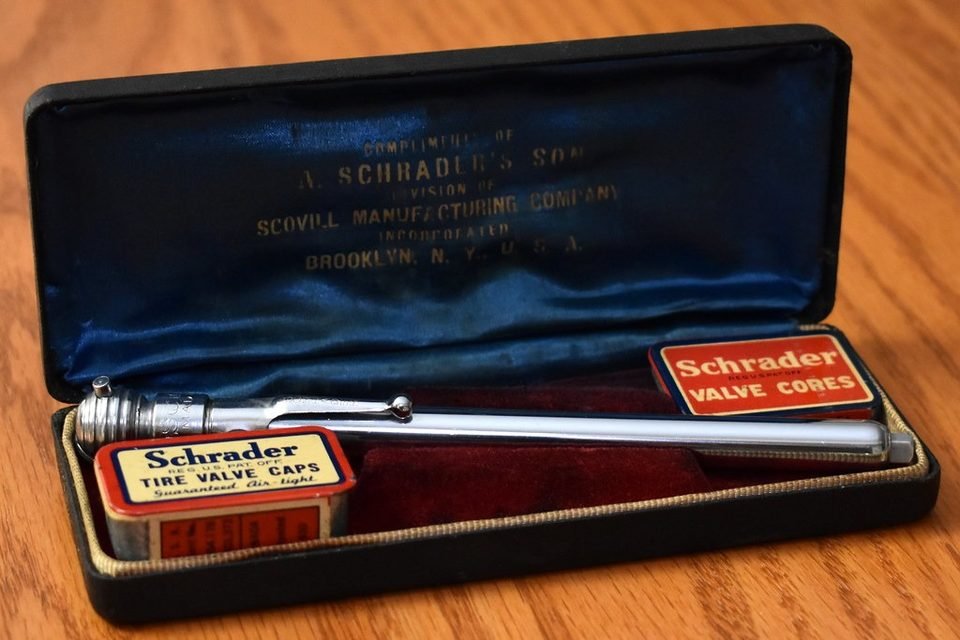
| Job | Parts | Labor / programming | Typical total (tire or independent shop) |
|---|---|---|---|
| One sensor, programmable aftermarket | $25–$70 | $20–$60 | $50–$120 |
| One sensor, OEM | $50–$150 | $20–$60 | $80–$200 |
| Set of four, aftermarket | $100–$280 | $60–$200 | $200–$450 |
| Set of four, OEM | $200–$600 | $60–$200 | $300–$750 |
| Sensor service kit (valve core, seal, nut) | $5–$15 each | Usually done with tire service | $10–$30 per wheel |
| TPMS relearn only | — | 0–0.5 hr | $0–$75 |
| Dealership, OEM sensor | OEM | $150–$250/hr | $100–$250+ per sensor |
Many tire shops include a free sensor relearn when you buy tires, and some charge a TPMS service fee of $5–$15 per wheel when mounting new tires to replace the valve seals.
What a TPMS sensor is and how it works
US law has required tire pressure monitoring on new passenger vehicles since the 2008 model year. Most cars use direct TPMS: a small battery-powered sensor inside each wheel, usually attached to the valve stem. It measures air pressure and sends a radio signal to the car. When a tire drops well below the recommended pressure, the dashboard warning light comes on.
Some cars, including many older Hondas, Mazdas and VWs, use indirect TPMS. These systems have no sensors in the wheels. They use the ABS wheel speed sensors to detect a tire that is spinning faster because it is low. If your car has indirect TPMS, there is no sensor to replace; you just reset the system after correcting tire pressure.
OEM vs. programmable aftermarket sensors
OEM sensors come from the vehicle maker’s supplier and are already set up for your car. Programmable aftermarket sensors are blank units that a tire shop programs with a handheld tool to match your vehicle. Some can even be cloned to copy the ID of your old sensor, so the car never notices the swap.
Good aftermarket sensors from established brands work well on most vehicles and cost much less. OEM makes sense on newer cars still under warranty or on vehicles known to be picky about sensors.
Signs of a bad TPMS sensor
- TPMS light flashes for about a minute, then stays on. On most cars, this means a system fault, often a dead sensor, not low pressure.
- Light stays on even though all four tires are at the correct pressure.
- One tire shows no reading or dashes on the pressure display.
- Wrong or jumping readings that do not match a tire gauge.
- Corroded valve stem or a slow leak at the stem, common on aluminum-stem sensors in snowy states.
A steady light that comes on during a cold morning is usually just low pressure. Tires lose about 1 psi for every 10°F drop in temperature. Check all four tires with a gauge and fill them to the pressure on the driver’s door sticker before assuming a sensor has failed.
Can you drive with the TPMS light on?
If the light is on because a tire is low, check and fill it as soon as you safely can. Driving on an underinflated tire wears it faster, hurts handling and braking, and can cause the tire to overheat and fail at highway speed.
If the light is on because a sensor has failed, the car is generally safe to drive as long as your tire pressures are correct. The catch is that you no longer have a warning if a tire starts losing air. Check your tires manually every week or two until the sensor is replaced. A lit TPMS light can also cause a failed safety inspection in some states.
Don’t ignore a light that comes on while driving
If the TPMS light comes on suddenly at speed, slow down and pull over somewhere safe to look at the tires. A fast drop in pressure can mean a puncture, and driving on a flat can ruin the tire and damage the wheel.
Replace sensors when you buy tires
Sensors installed at the same time usually die at about the same age. If one fails on a car that is 7–10 years old, the others are likely close. Replacing them all when new tires go on saves a second round of mounting and balancing.
What drives the price up or down
1. Sensor type and brand
Aftermarket programmable sensors are often half the price of OEM. Some vehicles, including certain luxury cars, newer trucks and EVs, use sensors that cost $100–$200 each from the dealer.
2. Relearn and programming
After a new sensor is installed, the car must learn its ID. Some vehicles do this automatically after a short drive. Others need a scan tool, a specific sequence with the key and pedals, or a dealer-level procedure. Tire shops with a modern TPMS tool can handle most cars. Some relearns take minutes; others add $30–$75.
3. Whether the tire is already off
The sensor lives inside the tire, so the tire must be removed from the wheel, then remounted and rebalanced. If you are buying new tires anyway, the extra labor is minimal.
4. Corrosion
Road salt can seize the valve stem nut or crack the sensor during removal. That is one reason to replace the inexpensive service kit every time the tire is dismounted.
Tire shop vs. dealer vs. DIY
| Option | Per sensor | Set of four | Notes |
|---|---|---|---|
| Dealership | $100–$250+ | $400–$1,000 | OEM sensors, guaranteed compatibility |
| Tire shop / independent | $50–$150 | $200–$500 | Aftermarket or OEM, often free relearn with tires |
| Buy sensors online + shop install | $25–$80 + $25–$50 install | $150–$400 | Make sure the sensor is programmable for your car |
| Full DIY | $25–$100 | $100–$400 | Needs tire-mounting equipment and a TPMS tool ($100–$300) |
Full DIY rarely makes sense for most owners because the tire has to come off the rim. The middle option, buying quality sensors online and paying a tire shop to install and program them, often gives the best price.
How to pay less without cutting corners
- Check pressure first. Many TPMS lights are simply low tires.
- Use a tire shop rather than a dealer for the sensor and relearn.
- Choose a quality programmable sensor from a known brand instead of the cheapest no-name unit.
- Time it with new tires to avoid paying for mounting and balancing twice.
- Ask about warranty. Many tire shops warranty sensors, and some factory or extended warranties cover them. See are extended car warranties worth it?
When to walk away from the repair
A TPMS sensor is never a reason to give up on a car. Even four sensors at a dealer cost less than many routine repairs. Where it fits into a bigger decision is when the TPMS light is one of several warning lights and repair quotes on an older vehicle. Add everything up, compare the total with the car’s value, and read is it worth fixing an old car?
When buying a used car, a TPMS light on the dash is worth a question. It may just be a dead sensor, but it can also mean a tire that keeps leaking. Our guide to inspecting a used car covers other warning lights to check.
Useful on Amazon for this job
As an Amazon Associate we earn from qualifying purchases. Always confirm fit for your exact vehicle or ask your dentist.
What most TPMS quotes don’t tell you
- Some cars don’t have sensors in the wheels at all. Many recent Honda and Volkswagen models use an “indirect” system that reads tire pressure through the ABS wheel speed sensors. If your car has that system, there are no wheel sensors to replace; the fix is usually correcting tire pressures and running a reset.
- Know what you are paying for. A full TPMS sensor is the electronics and battery. A “TPMS service kit” is only the valve seal, nut, washer and core. Both show up on invoices, so ask which line is which.
- Batteries age together. If one sensor died from a dead battery rather than damage, the others are often close behind. Replacing all four when you buy new tires saves labor because the tires are already off.
- Universal sensors need programming. Many low-cost online sensors are blank and must be programmed for your vehicle with a shop tool before they work, so a cheap online sensor plus a programming fee may not save much.
- Skip metal valve caps on aluminum stems. Road salt can corrode them together, and forcing the cap off can snap the sensor stem.
- Use aerosol tire sealant only in an emergency. The sticky compound can clog the sensor’s pressure port and ruin it.
Super Car Digest · $14
The Used Car Buying Playbook
Big repair bill on an older car? Before you pay for it, run the numbers on replacing the car — and if you do switch, don’t overpay for the next one. Budget worksheet, 15-minute VIN screen, test-drive routine, word-for-word negotiation scripts and a 10-point contract check.
Frequently asked questions
How much does it cost to replace a TPMS sensor?
About $50–$150 per sensor at a tire shop and $100–$250 or more at a dealer, including programming. Estimates as of 2026.
How long do TPMS sensors last?
Most last 5–10 years. The battery is sealed inside, so when it runs down the whole sensor is replaced.
Can I replace just one TPMS sensor?
Yes. Replacing one is common. On older cars, consider replacing all four when you buy tires, since the others are likely near the end of their battery life.
Do new TPMS sensors need to be programmed?
Usually. Aftermarket sensors must be programmed for your vehicle, and the car must relearn the new sensor ID. Some vehicles do this automatically; others need a scan tool.
Why is my TPMS light flashing?
On most vehicles, a light that flashes for about a minute at startup and then stays on points to a system fault, such as a dead sensor, rather than low pressure.
Is it illegal to drive with the TPMS light on?
Driving with the light on is generally not illegal, but some state safety inspections fail a vehicle with a lit TPMS warning. Check your state’s rules.
Sources and methodology
Price ranges combine 2026 estimates from the RepairPal estimator for TPMS sensor replacement, published labor-time guides, current retail pricing for OEM and programmable aftermarket sensors, typical tire-shop service fees, and labor at 2026 shop rates ($100–$175/hr independent, $150–$250/hr dealer; AAA has reported national averages around $140/hr). These are estimates; your quote will vary by vehicle, region and sensor type.