Key takeaways
- Most exhaust leak repairs cost $100–$600 at an independent shop. Where the leak is matters more than anything else.
- An exhaust manifold gasket usually costs $200–$600, but broken studs or a cracked manifold can push it to $1,000+.
- A flex pipe repair is typically $150–$450; a muffler replacement about $150–$450.
- Exhaust leaks can let carbon monoxide into the cabin. Do not ignore a leak near the front of the car or any exhaust smell inside.
- Estimates as of 2026; local labor rates run $100–$175/hr at independent shops and $150–$250/hr at dealers.
The exhaust leak repair cost for most cars in 2026 is about $100 to $600 at an independent shop or muffler shop. A cracked pipe or rusted joint that can be clamped or welded is often $100–$250, a flex pipe is usually $150–$450, a muffler about $150–$450, and an exhaust manifold gasket $200–$600 on many four-cylinder engines. V6 and V8 manifold jobs, broken studs and catalytic converter replacements cost the most, often $1,000 or more. Because exhaust gases contain carbon monoxide, a leak is a safety issue, not just a noise problem. This guide covers the cost of each type of exhaust leak, the symptoms, safety precautions and ways to save.
📩 Important: after you sign up, open the email from Super Car Digest and tap Confirm. Your checklist opens right away. Not there? Check Spam or Promotions.
Exhaust leak repair cost in 2026 at a glance
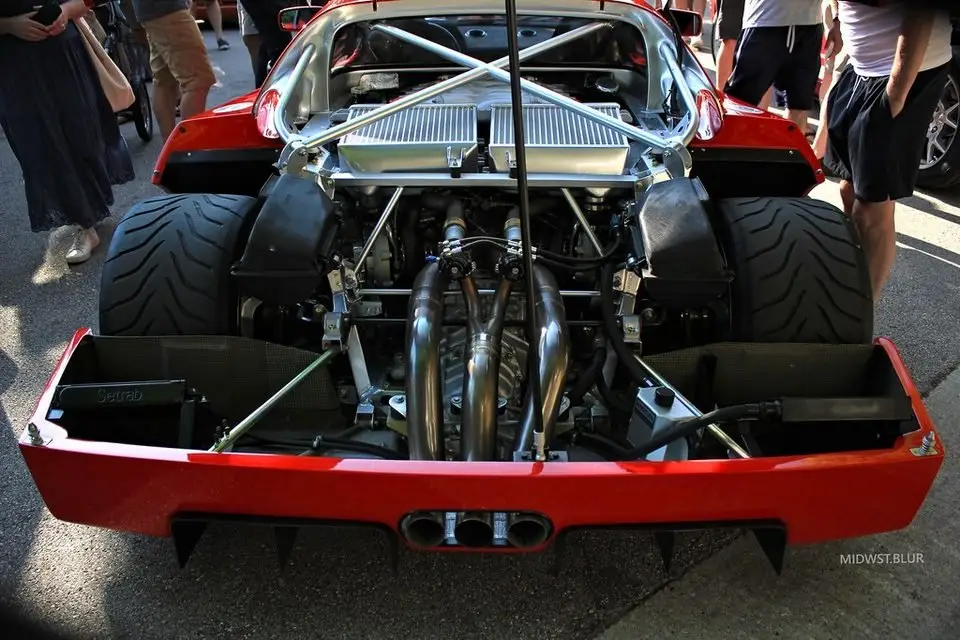
| Repair | Parts | Labor | Typical total (independent shop) |
|---|---|---|---|
| Clamp, patch or small weld | $10–$50 | 0.5–1 hr | $75–$250 |
| Flex pipe (welded in) | $30–$120 | 1–2 hrs | $150–$450 |
| Muffler | $60–$250 | 0.5–1.5 hrs | $150–$450 |
| Pipe section or resonator | $40–$200 | 0.5–1.5 hrs | $125–$400 |
| Manifold gasket, 4-cylinder | $20–$80 | 1.5–3 hrs | $200–$600 |
| Manifold gasket, V6/V8 (per side) | $30–$150 | 2–5 hrs | $350–$1,000+ |
| Exhaust manifold replacement | $150–$700 | 2–5 hrs | $450–$1,500+ |
| Catalytic converter | $400–$2,500 | 1–2.5 hrs | $1,000–$3,000+ |
Many muffler shops charge a modest inspection fee or check the system for free. A diagnostic at a general repair shop typically runs $100–$180.
Symptoms of an exhaust leak
- Louder engine or rumbling, especially on acceleration. A hole in the pipe or muffler changes the sound right away.
- Ticking or tapping at cold start that fades as the engine warms. This is a classic sign of a leaking exhaust manifold gasket or a broken manifold stud, because the metal expands and seals the gap when hot.
- Exhaust smell in or around the car, particularly when stopped or with the heater on.
- Vibration in the floor, pedals or steering wheel.
- Check engine light, often with oxygen sensor or lean codes, since outside air entering the exhaust ahead of the sensor confuses its readings.
- Black soot marks around a joint, gasket or crack.
- Worse fuel economy in some cases, from the engine computer reacting to false sensor readings.
Exhaust leaks and carbon monoxide: safety first
Exhaust contains carbon monoxide (CO), a colorless, odorless gas that can cause headaches, dizziness, nausea, drowsiness and confusion, and can be deadly in high concentrations. A leak near the front of the car, under the cabin or around a rusted floor pan is the most dangerous, because gas can be drawn in through vents and openings.
Stop driving and ventilate if you notice these
If you smell exhaust inside the car, or anyone feels dizzy, headachy, sleepy or nauseated while driving, open the windows, pull over safely, turn off the engine and get everyone into fresh air. Seek medical help if symptoms continue. Never sit in an idling car with a known exhaust leak, and never run the engine in a closed garage. A small battery-powered CO detector in the cabin is an inexpensive extra layer of protection until the repair is done.
A leak at the tailpipe end behind the rear bumper is generally less risky than one near the engine, but any leak should be fixed promptly, and many state inspections fail a car with a leaking exhaust.
Exhaust leak types and what each repair involves
1. Exhaust manifold gasket
The manifold bolts to the engine and collects exhaust from each cylinder. Its gasket can burn through, and the steel studs that hold it can rust and snap. On many four-cylinder engines the job is straightforward. On V6 and V8 engines, especially in trucks, the rear manifold can be hard to reach, and drilling out broken studs can add one to several hours. That is why quotes for the same gasket can vary so much. Ask the shop to include a price range for broken studs up front.
2. Cracked exhaust manifold
Cast-iron manifolds can crack from repeated heating and cooling. Welding cast iron is rarely a lasting fix, so replacement is the norm. On some vehicles the manifold and catalytic converter are one unit, which raises the price sharply.
3. Flex pipe
Front-wheel-drive cars with sideways-mounted engines use a braided flex pipe to absorb engine movement. Over time the braid frays and the inner liner cracks. A muffler shop can cut out the old section and weld in a universal flex pipe, which is usually much cheaper than buying a full OEM front pipe.
4. Muffler, resonator and pipes
Mufflers rot from the inside out because of condensation, especially on cars driven mostly on short trips. Rusted pipe sections and broken hangers are common in snowy states where roads are salted. These are usually the simplest and cheapest repairs.
5. Catalytic converter and O2 sensor area
Leaks near the converter can cause oxygen sensor codes. If a sensor is seized in a rusted pipe, it may need replacing too; see our O2 sensor replacement cost guide. A converter damaged by misfires is a separate problem, explained in our guide on a flashing check engine light.
Can you fix an exhaust leak yourself?
Small leaks in pipes can be temporarily sealed with exhaust repair tape, paste or a clamp kit, which costs about $10–$40 at a parts store. These can get you through a few weeks but rarely last, and they do not work on manifolds or flex pipes. Bolt-on muffler and clamp replacements are DIY-friendly if the old hardware is not badly rusted. Manifold gasket jobs often involve seized fasteners and are best left to a shop.
Work only on a cool exhaust
Exhaust parts can stay hot enough to burn skin long after the engine is off. Let the car cool fully, support it on proper jack stands, never just a jack, and wear eye protection when working under rusty components.
How to pay less for an exhaust repair
- Go to a muffler or exhaust shop. They can weld and fabricate, which is often cheaper than replacing whole OEM assemblies.
- Ask for repair, not replacement, when only one section or a flex joint has failed.
- Get a quote that covers broken studs before a manifold job begins.
- Fix it early. A small leak near an oxygen sensor can set codes and cause poor running; waiting rarely makes it cheaper.
- Weigh the car’s overall condition. On an older, rusty car with several problems, compare repair totals with its value. Our repair or replace calculator can help.
Useful on Amazon for this job
As an Amazon Associate we earn from qualifying purchases. Always confirm fit for your exact vehicle or ask your dentist.
Shop-floor advice on exhaust leaks
- Rust drives the labor. A snapped manifold stud in an aluminum head turns a gasket job into an extraction job, which is common in salt-belt states.
- Use quality gaskets and hardware, such as multi-layer steel gaskets where specified and good studs and nuts, so the leak doesn’t return.
- A torn flex pipe can point to bad mounts. If the engine rocks too much, have the motor and transmission mounts checked.
- Proper repairs use clamps or welding, not crushed pipes with cheap U-bolts.
- Exhaust putty and tape are temporary at best and won’t hold on a manifold leak.
- Pinpoint before you replace. A good tech finds the exact leak, often with a smoke machine, before quoting a whole system.
Super Car Digest · $14
The Used Car Buying Playbook
Big repair bill on an older car? Before you pay for it, run the numbers on replacing the car — and if you do switch, don’t overpay for the next one. Budget worksheet, 15-minute VIN screen, test-drive routine, word-for-word negotiation scripts and a 10-point contract check.
Frequently asked questions
How much does it cost to fix an exhaust leak?
Most repairs cost $100–$600 at an independent shop. Manifold work on V6 and V8 engines and catalytic converter replacement can exceed $1,000. Estimates as of 2026.
Is it safe to drive with an exhaust leak?
Not for long. Leaks can let carbon monoxide into the cabin. If you smell exhaust inside or feel dizzy or drowsy, stop driving, get fresh air and have the car repaired before using it again.
How do I know if I have an exhaust manifold leak?
A ticking sound at cold start that quiets as the engine warms up, soot around the manifold and an exhaust smell in the engine bay are common signs.
Can an exhaust leak cause a check engine light?
Yes. A leak ahead of an oxygen sensor can cause false lean readings and set oxygen sensor or fuel trim codes.
Will an exhaust leak fail inspection?
In states with safety inspections, a leaking exhaust usually fails. In emissions-testing states, related check engine codes can also cause a failure.
Sources and methodology
Price ranges combine 2026 estimates from the RepairPal estimator for exhaust, manifold and catalytic converter repairs, published labor-time guides, current retail pricing for aftermarket and OEM exhaust parts, and labor at typical 2026 shop rates ($100–$175/hr independent, $150–$250/hr dealer; AAA has reported national averages around $140/hr). Carbon monoxide safety guidance reflects general public-health advice from the CDC. These are estimates; your quote will vary by vehicle, region and condition.