Key takeaways
- A DPF filter replacement typically costs $1,500–$4,500 at an independent diesel shop for passenger cars and light-duty trucks. Aftermarket filters cost $800–$3,000; labor is usually 2–4 hours.
- Professional DPF cleaning runs $300–$800 and can restore a filter that is full of ash but not cracked or melted.
- A shop-run forced regeneration costs about $100–$300 and is the first step for a filter clogged with soot.
- Dealers commonly charge $5,000–$8,000+ with an OEM unit on heavy-duty pickups. Federal emissions warranties may cover the DPF for 8 years or 80,000 miles on many vehicles.
- Estimates as of 2026; your price depends on the engine, part source and local labor rates ($100–$175/hr independent, $150–$250/hr dealer).
The DPF filter replacement cost for most diesel cars, SUVs and light-duty pickups in 2026 is about $1,500 to $4,500 at an independent shop: roughly $800–$3,000 for an aftermarket or remanufactured diesel particulate filter and $250–$700 in labor. Dealers installing an OEM filter on a heavy-duty truck often charge $5,000 to $8,000 or more. Before paying that, it is worth knowing that many clogged filters can be saved with a forced regeneration ($100–$300) or a professional cleaning ($300–$800). This guide covers what a DPF does, why it clogs, cleaning vs. replacement, whether you can keep driving, and how to keep the bill down legally.
📩 Important: after you sign up, open the email from Super Car Digest and tap Confirm. Your checklist opens right away. Not there? Check Spam or Promotions.
DPF filter replacement cost in 2026 at a glance
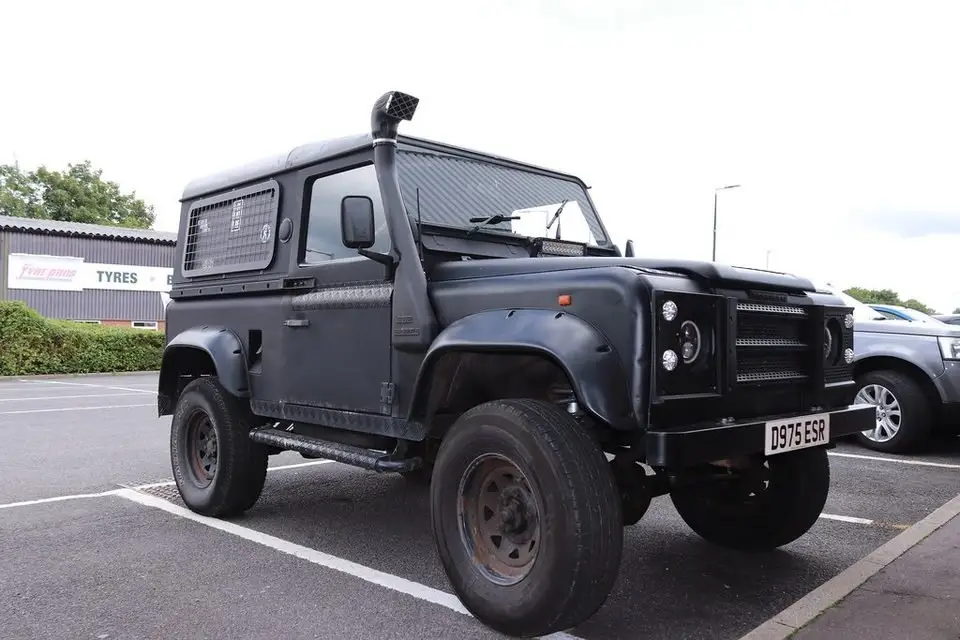
| Job | Parts | Labor | Typical total (independent shop) |
|---|---|---|---|
| Forced (service) regeneration with scan tool | — | 0.5–1.5 hrs | $100–$300 |
| DPF removal and professional cleaning | Cleaning service $200–$450 | 2–3 hrs | $300–$800 |
| DPF, diesel car or small SUV, aftermarket | $800–$2,000 | 2–3 hrs | $1,200–$2,800 |
| DPF, half-ton diesel pickup or large SUV | $1,200–$2,500 | 2–4 hrs | $1,800–$3,500 |
| DPF, heavy-duty 3/4- or 1-ton pickup, aftermarket | $1,500–$3,000 | 2.5–4 hrs | $2,200–$4,500 |
| DPF differential pressure sensor | $50–$250 | 0.5–1 hr | $150–$450 |
| Exhaust temperature sensor | $40–$200 | 0.5–1 hr | $120–$400 |
| Dealership, OEM DPF | OEM ($2,500–$6,500+) | $150–$250/hr | $3,500–$8,000+ |
If the DPF failed because of an upstream problem, such as a leaking injector or a stuck EGR valve, that repair is extra. Replacing the filter without fixing the cause often means a second clogged filter within months.
What a diesel particulate filter does
A diesel particulate filter (DPF) is a ceramic honeycomb inside the exhaust that traps soot from the engine. Nearly every diesel passenger vehicle and pickup sold in the US since around 2007–2010 has one to meet federal emissions rules.
Soot builds up as you drive. The engine computer watches a differential pressure sensor across the filter, and when it gets full it runs a regeneration: it raises exhaust temperature to burn the soot into fine ash. Passive regeneration happens during steady highway driving. Active regeneration is triggered by the computer, often with extra fuel. A forced regeneration is one a technician starts with a scan tool when normal regens have not finished.
Ash, unlike soot, does not burn off. Over many years it slowly fills the filter, which is why high-mileage DPFs eventually need cleaning or replacement even if everything else is working.
Signs of a clogged DPF, and common causes
- DPF warning light or a message asking you to drive at highway speed to clean the filter.
- Reduced power or limp mode, where the engine limits speed to protect itself.
- Frequent regenerations: cooling fans running after shutdown, higher idle, a hot smell, or worse fuel economy.
- Check engine light with codes for DPF pressure, soot load or regeneration failure.
- Black smoke from the tailpipe, which can mean the filter is cracked and soot is passing through.
The most common causes of clogging are:
- Lots of short trips that never let the exhaust get hot enough to regenerate.
- Interrupted regenerations from shutting the engine off mid-cycle.
- Engine problems that make extra soot, such as worn injectors, a boost leak, or a faulty EGR system. Our EGR valve replacement cost guide covers that part.
- Bad sensors, like a faulty pressure sensor or exhaust temperature sensor, that give the computer wrong readings. Diesels also use O2 and NOx sensors that can set related codes.
- Wrong engine oil. Oil that is not low-ash diesel spec adds ash faster, and burning oil from worn turbo seals does the same.
Fix the cause first
Ask the shop why the filter clogged before you approve a new one. Reading live data for soot load, regeneration history and injector balance can point to the real problem and protect your next filter.
Is it safe to drive with a clogged DPF?
For a short time, with care. When the warning light first appears, many owner’s manuals suggest 15–30 minutes of steady highway driving to let the system regenerate. If that works and the light goes out, you may not need a repair at all.
If you keep driving with a badly blocked filter, exhaust back pressure rises. That can overheat the turbocharger, damage the EGR system, dilute engine oil with fuel from repeated failed regens, and in rare cases crack or melt the filter. Limp mode is the computer telling you to stop and get it checked.
Stop driving if you notice these
Limp mode that will not clear, a flashing check engine light, a rising oil level on the dipstick, or a strong burning smell from under the truck mean the problem has gone past a simple regen. Get it to a diesel shop rather than pushing on.
What drives the price up or down
1. Cleaning vs. replacement
A filter full of ash but structurally sound can usually be removed, baked and air-cleaned by a specialist for a fraction of the cost of a new one. A filter that is cracked, melted or plugged with oil or coolant must be replaced.
2. Vehicle size and design
Small diesel cars and SUVs use smaller filters. Heavy-duty pickups use large DPF assemblies, sometimes combined with the diesel oxidation catalyst, which cost more and take longer to remove.
3. OEM vs. EPA-compliant aftermarket
Aftermarket DPFs are often much cheaper than OEM. Make sure any replacement is listed as compliant for your vehicle, and in California check that it carries a CARB Executive Order number for your model.
4. Warranty coverage
Federal rules require emissions warranty coverage on certain major emissions parts for 8 years or 80,000 miles on many light-duty vehicles, and the DPF is commonly included. Check your warranty booklet before you pay anything.
Why we don’t recommend a DPF delete
Removing a DPF or reprogramming the engine to run without one is illegal for road vehicles under the federal Clean Air Act, and the EPA has fined shops and sellers of delete kits. It can also fail state inspection, void warranty coverage and hurt resale value. Stick with cleaning or a compliant replacement.
Dealer vs. independent diesel shop vs. DIY
| Option | Typical cost (replacement) | Pros | Cons |
|---|---|---|---|
| Dealership | $3,500–$8,000+ | OEM part, handles warranty claims | Highest price, may skip cleaning option |
| Independent diesel shop | $1,500–$4,500 | Fair rates, offers cleaning and compliant aftermarket parts | Diagnostic skill varies |
| DPF cleaning specialist | $200–$450 (cleaning only) | Cheapest way to restore an ash-loaded filter | Filter must be removed and shipped or dropped off |
| DIY | $800–$3,000 in parts | Saves labor on easy-access trucks | Heavy, rusted bolts, needs a scan tool to reset and relearn |
Some truck owners remove the filter themselves and send it out for cleaning, then reinstall it. That works if the exhaust bolts cooperate. Afterward, a scan tool is usually needed to reset the soot and ash values so the computer knows a clean filter is installed.
How to pay less without cutting corners
- Try a highway drive or forced regen first before agreeing to replacement.
- Ask about cleaning. If the filter is not damaged, cleaning can save thousands.
- Check emissions and powertrain warranties, and ask about any manufacturer service programs for your engine.
- Use the right low-ash diesel oil and fix oil leaks into the intake or turbo.
- Drive the way the system needs. Regular longer trips let regens finish. If you plan to keep a high-mileage diesel, read are extended car warranties worth it?
When to walk away from the repair
A $4,000 filter on a diesel truck that still holds strong resale value is often worth paying for. It is a harder call on an older diesel car worth $5,000 that also needs injectors, an EGR valve and a turbo. Add up the full list and compare it with the vehicle’s value. Our guide on whether it’s worth fixing an old car explains the 50% rule, and the repair or replace calculator lays out the numbers.
Useful on Amazon for this job
As an Amazon Associate we earn from qualifying purchases. Always confirm fit for your exact vehicle or ask your dentist.
Super Car Digest · $14
The Used Car Buying Playbook
Big repair bill on an older car? Before you pay for it, run the numbers on replacing the car — and if you do switch, don’t overpay for the next one. Budget worksheet, 15-minute VIN screen, test-drive routine, word-for-word negotiation scripts and a 10-point contract check.
Frequently asked questions
How much does it cost to replace a DPF filter?
About $1,500–$4,500 at an independent diesel shop and $3,500–$8,000 or more at a dealer with an OEM filter. Estimates as of 2026.
How much does DPF cleaning cost?
Usually $300–$800 including removal and reinstallation, or $200–$450 for the cleaning service alone if you bring the filter in.
How much does a forced regeneration cost?
Typically $100–$300. It works when the filter is loaded with soot, not when it is full of ash or damaged.
How long does a DPF last?
Many last 100,000–200,000 miles or more with good driving habits and a healthy engine. Short-trip driving and engine faults shorten that a lot.
Is a DPF delete legal?
No. Removing or disabling a DPF on a vehicle driven on public roads violates the federal Clean Air Act and can bring fines, failed inspections and lost warranty coverage.
Does warranty cover a DPF?
Often, yes. Federal emissions warranties cover certain major emissions parts for 8 years or 80,000 miles on many light-duty vehicles, and the DPF is commonly included. Check your warranty booklet for your exact coverage.
Sources and methodology
Price ranges combine 2026 estimates from the RepairPal estimator where available, published labor-time guides, current retail pricing for aftermarket and OEM diesel particulate filters, diesel shop cleaning service prices, and labor at typical 2026 shop rates ($100–$175/hr independent, $150–$250/hr dealer; AAA has reported national averages around $140/hr). Legal and warranty notes reflect the EPA’s published guidance on emissions tampering and federal emissions warranty rules. These are estimates; your quote will vary by vehicle, region and condition.