Key takeaways
- It typically costs $150–$800 to tint the side and rear windows of a car at a professional shop, depending mostly on the type of film.
- Dyed film is cheapest (about $100–$250 for a sedan); ceramic film costs more (about $350–$800) but blocks much more heat.
- SUVs, minivans and cars with large or curved rear glass usually cost $50–$200 more than a sedan.
- Every state sets its own limits on how dark tint can be (VLT). Check your state’s law before choosing a shade.
- Removing old tint usually costs $100–$250. Estimates as of 2026.
It costs about $150 to $800 to tint car windows professionally in 2026. A basic dyed film on a sedan’s side and rear windows can be as low as $100–$250, carbon film usually runs $200–$400, and a quality ceramic film commonly costs $350–$800. Infrared-rejecting premium ceramic can exceed $1,000 on large SUVs. The price depends on the film, the number and shape of windows, and whether old tint must be removed first. Before you pick a shade, check your state’s tint law: each state limits how dark front side windows and the windshield can be. This guide breaks down tint costs by film and vehicle, explains the differences between films, and covers laws, warranties and removal.
📩 Important: after you sign up, open the email from Super Car Digest and tap Confirm. Your checklist opens right away. Not there? Check Spam or Promotions.
Car window tint cost in 2026 at a glance
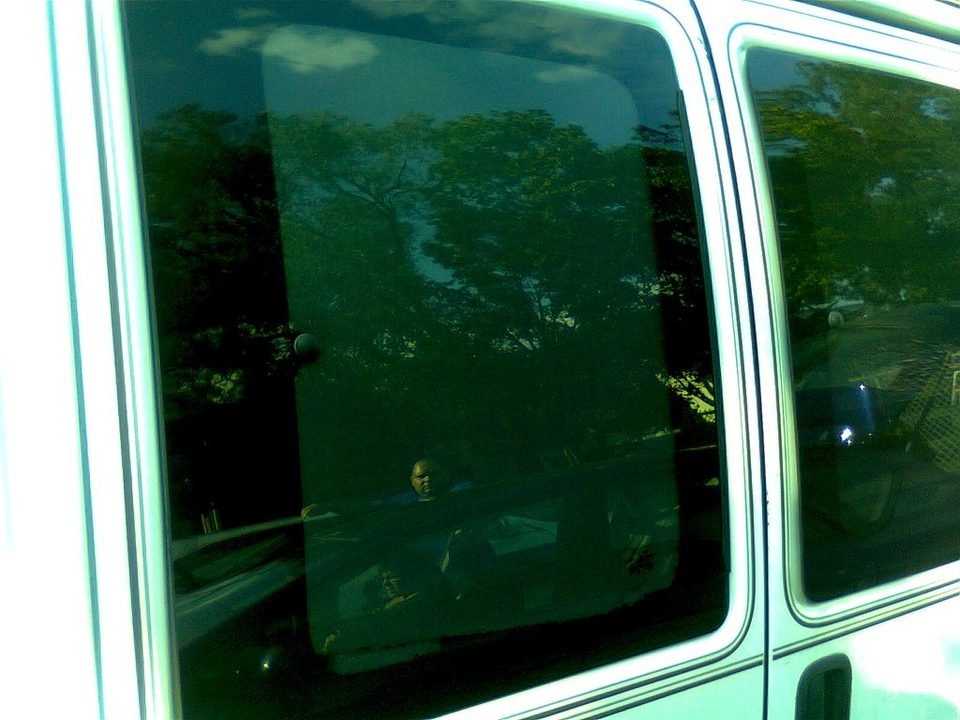
| Film type | Sedan (sides + rear) | SUV or truck | Heat rejection |
|---|---|---|---|
| Dyed | $100–$250 | $150–$300 | Low |
| Metallized / hybrid | $150–$350 | $200–$400 | Moderate |
| Carbon | $200–$400 | $250–$500 | Moderate |
| Ceramic | $350–$800 | $400–$900 | High |
| IR ceramic (premium) | $500–$1,000 | $600–$1,200+ | Highest |
| Windshield strip (visor) | $50–$100 | $50–$100 | Glare only |
| Full clear windshield film | $150–$400 | $200–$450 | High |
| Old tint removal | $100–$250 | $150–$300 | — |
Two-door coupes are not always cheaper. Their large frameless side windows and steeply curved rear glass can take as long to tint as a sedan.
Dyed vs carbon vs ceramic tint: what you get
Dyed film
Dyed film uses a dye layer to darken the glass. It reduces glare and adds privacy at the lowest price, but it blocks relatively little heat and can fade toward purple or bubble over time, especially in strong sun.
Metallized and hybrid film
Metal particles reflect heat and make the film more durable. The downside is that metal can interfere with radio, GPS, phone signals and some keyless systems. Many shops have moved away from it.
Carbon film
Carbon film has a matte, dark look, does not fade like dyed film and does not interfere with electronics. It blocks more heat than dyed film and is a common mid-range choice.
Ceramic and IR ceramic film
Ceramic films use non-metallic particles that block a large share of infrared heat without needing to be very dark. That matters because you can get strong heat rejection while staying within a legal shade. Premium “IR” lines are tuned to block even more infrared. Most quality films, including dyed ones, block the large majority of UV rays, so UV protection alone is not a reason to pay for ceramic.
Compare by spec, not by name
Brands use different names for similar products. Ask each shop for the film’s visible light transmission (VLT), total solar energy rejected (TSER) and warranty terms. A darker shade does not automatically mean better heat rejection.
What affects the cost to tint car windows
- Number of windows. Small quarter windows and vent glass each need separate pieces.
- Rear window shape. Steep, curved rear glass needs heat shrinking, which takes skill and time.
- Old film. Removing faded tint and adhesive adds labor, and care is needed around rear defroster lines.
- Film brand and warranty. Well-known brands often include a lifetime warranty against bubbling, peeling and fading while you own the car.
- Location. Labor rates are higher in large metro areas.
- Windshield work. A clear or very light ceramic windshield film adds heat rejection but costs extra and must comply with state law.
Window tint laws: check your state first
Tint darkness is measured as visible light transmission (VLT): the percentage of light that passes through the glass and film. A lower number means darker tint. Every state sets its own rules, and they often differ for the windshield, front side windows, rear side windows and rear window. Many states also limit how reflective the film can be, some restrict certain colors, and some allow medical exemptions with documentation.
Before you buy, look up the current tint law on your state’s DMV, state police or legislature website, and ask the shop to confirm the shade is legal where your car is registered. Remember that factory glass already has a slight tint, so the combined VLT of glass plus film is darker than the film alone. Illegal tint can lead to tickets, a failed state inspection where one is required, or an order to remove it.
Safety and visibility
Very dark tint can make it harder to see pedestrians, cyclists and road edges at night or in rain, especially for older drivers. If you drive a lot after dark, consider a lighter ceramic film that blocks heat without making the windows very dark.
Is window tint worth the money?
For many drivers, yes. Good tint keeps the cabin cooler on sunny days, so the air conditioning works less hard after the car has been parked. It cuts glare, reduces fading and cracking of dashboards and seats, and adds some privacy for items left inside. Window film can also help hold shattered glass together in a break-in or crash, although it is not a security product.
It is less worthwhile if you plan to sell the car soon, if you live somewhere cloudy most of the year, or if your state’s limits are strict enough that only a very light film is allowed on the front windows. In that case a clear ceramic film may still be worth it for heat control. If you are also planning cosmetic upgrades, see our guide on how much it costs to wrap a car. And if your windshield has a chip, fix it before any windshield film goes on; our windshield chip repair cost guide explains why.
DIY tint vs professional installation
Pre-cut DIY kits cost about $30–$100 and rolls of film are cheaper still. The film itself is inexpensive; the hard part is cleaning the glass perfectly, avoiding dust and creases, and shrinking film to fit curved rear glass. Most first-time DIY jobs show bubbles or contamination. A professional job usually includes a warranty and the right equipment, which makes it the better value for most drivers.
Tint removal and aftercare
Professional removal typically costs $100–$250 for a sedan and a bit more for an SUV. Shops use steam or heat to lift the film and clean off adhesive without scraping the rear defroster grid. If a defroster line is damaged, repair can be tricky; in some cases the rear glass must be replaced. Our car window replacement cost guide covers those prices.
After installation:
- Keep windows up for several days, or as long as your installer advises, while the film cures.
- Expect some haze or small water pockets for the first days or weeks; they usually disappear as moisture evaporates.
- Clean with ammonia-free cleaner and a soft microfiber cloth.
- Avoid seatbelt buckle strikes and sharp objects near the edges.
If you are buying a used car with tint, check for bubbling, purple fading and peeling edges, and confirm the shade is legal in your state. Our used car inspection checklist includes other cosmetic items to look at.
Useful on Amazon for this job
As an Amazon Associate we earn from qualifying purchases. Always confirm fit for your exact vehicle or ask your dentist.
Tint tips from experienced installers
- Glass shape affects the price. Steep or heavily curved rear glass takes skill to shrink-fit in one piece.
- Film type matters. Cheap dyed film can fade purple. Carbon and ceramic films reject more heat without interfering with phone or GPS signals, unlike some metallic films.
- Know your state’s law. Limits are set by the percentage of light that passes through, and most states only allow a strip above the AS-1 line on the windshield. Rear windows often have looser rules.
- Ask how the film is finished at the bottom of the door glass, so it doesn’t peel when the window rolls down.
- Don’t roll the windows down until the installer says the film has cured.
- Look for a manufacturer-backed warranty against bubbling, peeling and fading.
Super Car Digest · $14
The Used Car Buying Playbook
Big repair bill on an older car? Before you pay for it, run the numbers on replacing the car — and if you do switch, don’t overpay for the next one. Budget worksheet, 15-minute VIN screen, test-drive routine, word-for-word negotiation scripts and a 10-point contract check.
Frequently asked questions
How much does it cost to tint car windows?
About $150–$800 for side and rear windows at a professional shop, depending on film. Dyed film is cheapest and ceramic costs the most. Estimates as of 2026.
Is ceramic tint worth the extra cost?
In hot, sunny climates, often yes. Ceramic film blocks much more heat than dyed film without needing to be very dark, and it does not interfere with electronics.
How long does car window tint last?
Quality carbon and ceramic films often last 10 years or more. Cheap dyed films may fade or bubble within a few years.
How long does it take to tint a car?
Most shops need about two to four hours for a typical car, longer if old film has to be removed.
What tint percentage is legal?
It depends on your state and on which window. Check your state’s current VLT law with the DMV or state police before choosing a shade.
Sources and methodology
Price ranges combine published 2026 price lists from US tint shops, film manufacturers’ product tiers and specification sheets, and current retail pricing for DIY kits. Legal guidance reflects the general structure of state tint laws; readers should confirm current limits with their own state. These are estimates; your quote will vary by vehicle, film, region and installer.