Key takeaways
- The typical throttle body replacement cost is $250–$800 at an independent shop for most cars with an electronic throttle body.
- Dealers and some V6, V8 and European engines run $600–$1,200+, mostly because OEM parts cost more.
- A professional cleaning often costs $75–$200 and fixes many rough-idle problems caused by carbon buildup.
- Most electronic throttle bodies need an idle or throttle relearn after cleaning or replacement, sometimes with a scan tool.
- Estimates as of 2026; your cost depends on the vehicle, part choice and labor time.
The throttle body replacement cost for most cars in 2026 is about $250 to $800 at an independent shop. The part is usually the biggest expense: an aftermarket electronic throttle body often costs $120 to $400, and an OEM unit can run $250 to $800 or more. Labor is usually short, often 0.5 to 1.5 hours, plus time for a relearn procedure. Older cars with a cable-operated throttle body tend to cost less. Before replacing anything, it’s worth knowing that a dirty throttle body causes many of the same symptoms, and a cleaning costs a fraction of a new part. This guide covers what drives the price, how to tell cleaning from replacement, the warning signs and the trouble codes involved.
📩 Important: after you sign up, open the email from Super Car Digest and tap Confirm. Your checklist opens right away. Not there? Check Spam or Promotions.
Throttle body replacement cost in 2026 at a glance
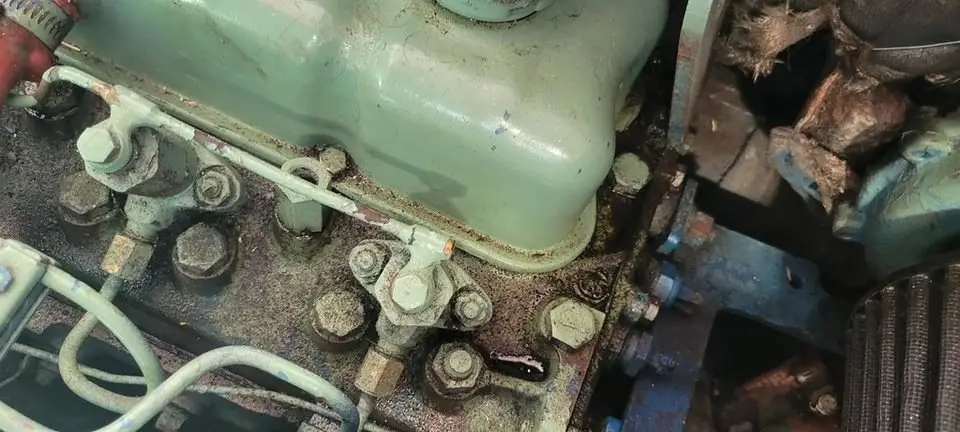
| Job | Labor time | Typical total (independent shop) |
|---|---|---|
| Throttle body cleaning | 0.5–1 hr | $75–$200 |
| Cable-type throttle body, older cars | 0.5–1.5 hrs | $200–$500 |
| Electronic throttle body, aftermarket | 0.5–1.5 hrs | $250–$600 |
| Electronic throttle body, OEM | 0.5–1.5 hrs | $400–$900 |
| Dealership replacement | Same | $600–$1,200+ |
| Diagnostic, if needed | 0.5–1 hr | $100–$200 |
What the throttle body does
The throttle body sits between the air filter and the intake manifold. Inside is a round butterfly valve, called the throttle plate, that opens to let in more air when you press the gas pedal. The engine computer measures that air and adds fuel to match, so the throttle body directly controls how much power the engine makes. A throttle position sensor tells the computer how far the plate is open.
Electronic vs. cable throttle bodies
Older cars use a cable-operated throttle body. A steel cable runs from the gas pedal to the throttle plate, and a separate idle air control valve manages idle speed. These units are simple and relatively cheap.
Most cars built in roughly the last two decades use electronic throttle control, often called drive-by-wire. The pedal has sensors, and a small electric motor in the throttle body opens the plate based on commands from the computer. The same motor controls idle speed, and the system also works with traction control and cruise control. Electronic units cost more and often need a relearn after service, but there is no cable to stretch or stick.
Symptoms of a bad throttle body
- Rough, high or unstable idle, or idle that hunts up and down.
- Stalling when you come to a stop or turn on the air conditioning.
- Hesitation or poor acceleration when you press the pedal.
- Reduced power or limp mode, where the car limits speed and throttle opening to protect itself. Many cars show a wrench light, a reduced-power message or the check engine light.
- Check engine light with throttle-related codes.
Several of these symptoms overlap with a dirty or failing mass air flow sensor, vacuum leaks, and worn ignition coils or spark plugs, so a proper diagnosis matters before buying parts.
Common trouble codes
A scan tool usually points toward the throttle body with codes in a few groups. Exact meanings vary slightly by manufacturer, so look up your code for your specific vehicle.
- P2135: a disagreement between the two throttle position sensor signals. It can mean a failing sensor inside the throttle body, but also a wiring or connector problem.
- P2111 and P2112: the throttle actuator system is stuck open or stuck closed. Heavy carbon buildup, a failing motor or gears inside the unit, or a wiring fault can cause these.
- P0121 to P0123: throttle position sensor circuit or range problems.
- P0505 to P0507: idle control problems, which a dirty throttle body often causes.
- P2101 and P2119: throttle actuator control and motor range or performance faults.
A code tells you which circuit or system has a problem, not which part has failed. A corroded connector or chafed wire can set the same code as a bad throttle body, so a good shop checks the wiring before replacing the unit.
Check for recalls and extended warranties
Some manufacturers have issued recalls, service bulletins or extended warranty coverage for throttle body problems on specific models. Enter your VIN on NHTSA’s recall lookup and ask a dealer whether any coverage applies before you pay out of pocket.
Cleaning vs. replacing the throttle body
Over time, oily vapor from the crankcase ventilation system mixes with dirt and leaves a carbon ring around the throttle plate. On an electronic throttle body, that buildup changes how much air gets past the plate at idle. The computer can compensate up to a point, then the idle gets rough or the car stalls.
Cleaning is often the right first step when the symptoms are rough idle or stalling and there are no hard electrical codes. A shop usually charges $75–$200, and a can of throttle body cleaner costs about $8–$15 if you do it yourself.
Replacement makes more sense when:
- Codes point to the internal throttle position sensor or the motor, and the wiring checks out.
- The throttle plate sticks or binds even after cleaning.
- Limp mode keeps coming back.
- The throttle body is damaged or the gears inside have worn out.
Clean an electronic throttle body carefully
Never push the throttle plate open by hand or put your fingers near it with the ignition on, because the motor can snap it shut. Turn the key off or follow the shop manual. Some manufacturers use coated throttle bodies and advise against aggressive cleaning, and soaking the electrical parts can ruin the unit. Use a cleaner labeled safe for throttle bodies and spray it on a rag rather than into the electronics.
The relearn procedure
After an electronic throttle body is cleaned or replaced, the engine computer needs to learn the new closed-throttle position and idle airflow. Until it does, the idle may be high, low or unstable. Depending on the vehicle, the relearn may be:
- Automatic: the engine relearns after a set idle period or some driving.
- A key-and-pedal sequence: a specific pattern of turning the ignition on and off, waiting, and idling.
- Scan-tool required: a shop or a capable scan tool commands the relearn.
Your factory service manual lists the exact steps. Shops usually include the relearn in the labor charge, but ask, because skipping it is a common reason for a rough idle right after a repair.
OEM vs. aftermarket throttle bodies
An OEM throttle body comes from the carmaker or the company that supplies the factory part, such as Bosch, Denso, Hitachi or Delphi, depending on the vehicle. It costs more but tends to match the factory calibration and relearn exactly. Aftermarket units from parts stores and online sellers are cheaper, and quality ranges from good to poor. Electronic throttle bodies are sensitive to small differences, and a mismatched unit can cause idle problems or keep setting codes.
A practical middle path is an OE-supplier part sold in that brand’s own box, or a well-reviewed aftermarket brand with a solid warranty. Avoid the cheapest no-name units, especially on cars that have a history of throttle body trouble.
Can you replace a throttle body yourself?
On many four-cylinder cars, this is one of the easier DIY jobs. It usually means removing the air intake duct, unplugging the electrical connector, removing three or four bolts and swapping the gasket. Some engines also have coolant lines to the throttle body, which adds a step. The harder part is the relearn: if your car needs a scan tool to complete it, you may still need a shop or a scan tool that supports that function. Disconnect the battery if the service manual calls for it, use a new gasket, and torque the bolts evenly.
How to pay less
- Get the codes read first. Many parts stores do this free.
- Try a cleaning if the main complaint is idle quality.
- Check for recalls or extended coverage on your VIN.
- Use an independent shop and ask about an OE-supplier part.
- Weigh the car’s value if this is one of several repairs. Our repair or replace calculator can help.
Useful on Amazon for this job
As an Amazon Associate we earn from qualifying purchases. Always confirm fit for your exact vehicle or ask your dentist.
Throttle body tips from the shop floor
- Most are quick to swap, but coolant-heated throttle bodies or ones tucked against the firewall take longer.
- A relearn is often required. Many Nissan and Infiniti models need an idle air volume learn after replacement or cleaning. The scan-tool routine itself takes minutes, so a full extra hour for it is a red flag.
- Cheap aftermarket units can fail the relearn. An OE-supplier part (often Hitachi, Bosch, Continental or Denso) is usually a safe middle ground.
- Use a new gasket or O-ring and check the intake boot for cracks, since vacuum leaks cause similar symptoms.
- Clean before you replace. Carbon buildup or a loose connector pin often causes idle problems. Don’t force the plate open by hand or soak it in harsh solvent.
- Check for coverage. Some throttle bodies are covered by emissions warranties or special programs; ask a dealer with your VIN.
Super Car Digest · $14
The Used Car Buying Playbook
Test-driving a used car that idles rough or hesitates? Learn what to check and which questions to ask before you buy, and how to use a pending repair to negotiate. Budget worksheet, 15-minute VIN screen, test-drive routine, word-for-word negotiation scripts and a 10-point contract check.
Frequently asked questions
How much does it cost to replace a throttle body?
About $250–$800 at an independent shop for most cars, and $600–$1,200 or more at a dealer. Estimates as of 2026.
Can I drive with a bad throttle body?
Sometimes, but it’s risky. Stalling at a stop or sudden limp mode in traffic can be dangerous, so get it checked soon.
Will cleaning the throttle body fix a rough idle?
Often, if carbon buildup is the cause. It won’t fix a failed sensor, motor or wiring problem.
Do I need to relearn the throttle body after replacing it?
On most electronic throttle bodies, yes. Some cars relearn on their own, while others need a key sequence or a scan tool.
What does code P2135 mean?
It means the two throttle position signals don’t agree. The cause can be the throttle body, the pedal sensor on some cars, or the wiring between them.
How long does a throttle body last?
Many last the life of the car with occasional cleaning, but electronic units can fail at any mileage.
Sources and methodology
Price ranges combine 2026 estimates from the RepairPal estimator for throttle body replacement, published labor-time guides, current retail pricing for aftermarket and OEM throttle bodies, and labor at typical 2026 shop rates ($100–$175/hr independent, $150–$250/hr dealer). Recall information comes from NHTSA’s recall lookup, maintenance background from the Car Care Council, and engine maintenance advice from FuelEconomy.gov. These are estimates; your quote will vary by vehicle, region and condition.