Key takeaways
- An EGR valve replacement on most gas cars costs $250–$700 at an independent shop. The valve costs $100–$400; labor is usually 1–3 hours.
- Diesel EGR valves cost more, typically $500–$1,500+, and an EGR cooler can add $1,000–$3,000.
- Cleaning a carbon-stuck valve or clogged passages often costs $100–$300 and can fix the problem when the valve’s electronics are still good.
- Codes P0400–P0409 point to the EGR system. A failed EGR will usually fail an OBD-II emissions test.
- Removing or disabling the EGR system on a road vehicle is illegal under federal law. Repair it instead.
- Estimates as of 2026; labor rates are typically $100–$175/hr at independent shops and $150–$250/hr at dealers.
The EGR valve replacement cost for most gasoline cars in 2026 is about $250 to $700 at an independent shop: roughly $100–$400 for the valve and $100–$450 in labor. Diesel trucks and SUVs run higher, commonly $500 to $1,500 or more, and dealers sit at the top of both ranges. If the valve is just stuck with carbon, a cleaning for $100–$300 may be enough. This guide covers what the EGR valve does, cleaning vs replacing, gas vs diesel prices, P0400–P0409 codes, emissions tests, and how to keep the repair affordable.
📩 Important: after you sign up, open the email from Super Car Digest and tap Confirm. Your checklist opens right away. Not there? Check Spam or Promotions.
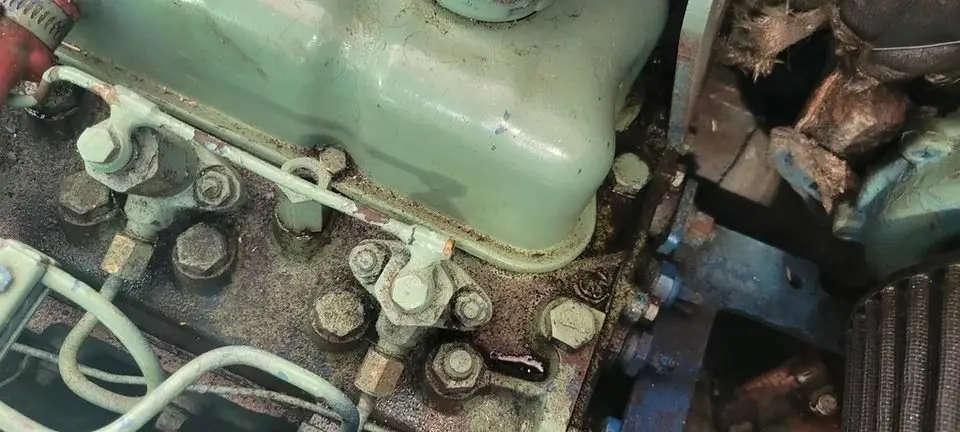
EGR valve replacement cost in 2026 at a glance
| Job | Parts | Labor | Typical total (independent shop) |
|---|---|---|---|
| EGR valve, gas car, easy access | $100–$300 | 1–1.5 hrs ($100–$265) | $250–$500 |
| EGR valve, gas V6/V8 or tight engine bay | $150–$400 | 1.5–3 hrs ($150–$525) | $350–$800 |
| EGR valve, diesel pickup or SUV | $250–$900 | 2–4 hrs ($200–$700) | $500–$1,500+ |
| EGR cooler, diesel | $400–$1,500 | 4–10 hrs | $1,000–$3,000+ |
| EGR valve and passage cleaning | $10–$40 cleaner, gaskets | 1–2.5 hrs | $100–$300 |
| EGR pressure or position sensor (e.g. DPFE) | $30–$150 | 0.3–1 hr | $80–$300 |
| Dealership, OEM EGR valve | OEM ($250–$900+) | $150–$250/hr | $500–$1,500+ (gas), more for diesel |
Before approving a new valve, ask whether the shop found the valve itself faulty or just a carbon-blocked system. The answer can be a $200 difference or more.
What an EGR valve actually does
EGR stands for exhaust gas recirculation. The EGR valve lets a small, measured amount of exhaust flow back into the intake. That exhaust displaces some fresh air, which lowers combustion temperatures and cuts nitrogen oxide (NOx) emissions. It also helps reduce pinging on many gas engines.
Older engines used vacuum-operated EGR valves. Most modern engines use an electronic valve controlled by the engine computer, often with a built-in position sensor. Diesels move far more exhaust through the system and usually add an EGR cooler to chill the gas before it enters the intake.
Because the valve handles hot, sooty exhaust, carbon slowly builds up inside it and in the passages. That buildup is the most common reason the system fails, especially on engines that do many short trips.
Symptoms and trouble codes
- Check engine light with a code from P0400 to P0409. P0401 (insufficient flow) is the most common, usually caused by clogged passages. P0402 means excessive flow, P0403 is a circuit fault, P0404 is range or performance, and P0405–P0409 cover the EGR position or pressure sensor circuits.
- Rough idle or stalling, often from a valve stuck open.
- Pinging under acceleration, often from a valve stuck closed.
- Hesitation and lower fuel economy.
- Failed emissions test for high NOx or a stored EGR code.
- On diesels: black smoke, power loss, or coolant loss if the EGR cooler is leaking.
Rough idle and hesitation can also come from vacuum leaks, a stuck PCV valve, worn plugs or a lazy O2 sensor. A good shop will command the EGR valve open with a scan tool and watch how the engine reacts before replacing parts.
Cleaning vs replacing
If the valve moves freely when commanded and the code is P0401, the fix is often cleaning the valve and its passages. If the valve’s motor or position sensor has failed, or it is cracked or warped, cleaning will not help and the valve needs replacing. Ask the shop which case you have.
Is it safe to drive with a bad EGR valve?
Usually for a short time, yes. A valve stuck closed mostly raises emissions and can cause pinging under load. A valve stuck open is more noticeable: rough idle, stalling at stops and poor drivability. Either way, the car will likely fail an emissions inspection, and long-term pinging can harm the engine.
On diesels, the bigger concern is a leaking EGR cooler. Coolant entering the intake can damage the engine.
Stop driving if you notice these
Stalling in traffic, heavy pinging when accelerating, white smoke with a sweet smell, or coolant loss on a diesel with no visible leak. Get it checked right away to avoid engine damage.
Gas vs diesel EGR costs
On most gasoline engines, the EGR valve is a compact part bolted to the intake or cylinder head. Replacement is often a 1–2 hour job, and a DIY-friendly one on some cars. Some gas engines no longer use a separate EGR valve and achieve the same effect with variable valve timing.
Diesel engines rely heavily on EGR to control NOx. The valves are larger, run hotter and soot up faster, and they are often deep in a crowded engine bay. Many diesel jobs also include cleaning the intake, replacing gaskets and checking the EGR cooler. That is why a diesel EGR bill commonly lands at $500–$1,500, and why a cooler replacement can climb past $3,000.
EGR systems and emissions tests
In states with OBD-II emissions testing, a lit check engine light or an incomplete EGR monitor usually means a failed test. Clearing the code right before the test does not work, because the monitors reset to “not ready.”
You may see ads for “EGR delete” kits. Removing or disabling emissions equipment on a vehicle used on public roads is illegal under the federal Clean Air Act, and the EPA has pursued penalties against sellers and installers. It can also void warranties and make the car impossible to pass inspection. The right fix is to repair or clean the system.
What drives the price up or down
1. Engine type and access
An easy-access valve on a four-cylinder gas engine is the cheapest. V6 and V8 engines, transverse layouts with the valve at the back, and diesels push labor up.
2. Valve vs. passages
If the passages in the intake are clogged, a new valve alone will not clear the code. Some engines need the intake manifold removed to clean them, adding labor.
3. Sensors
Some systems use a separate pressure sensor, such as the DPFE sensor on many older Fords. That sensor often fails before the valve and costs much less to replace.
4. OEM vs aftermarket
Electronic EGR valves must match the engine computer’s expectations. Very cheap valves can set codes again quickly. An OEM or OE-supplier part is often the safer choice.
Dealer vs. independent shop vs. DIY
| Option | Typical cost (gas car) | Pros | Cons |
|---|---|---|---|
| Dealership | $500–$1,500+ | OEM valve, factory scan tools | Highest labor rate and parts markup |
| Independent shop | $250–$700 | Fair labor rate, may try cleaning first | Diesel experience varies by shop |
| Chain shop | $300–$800 | Convenient | Tends to replace rather than clean |
| DIY | $100–$400 in parts | Lowest cost on easy-access valves | Gaskets, torque and a scan tool for relearn on some engines |
Many gas-engine EGR valves are a fair DIY job: two to four bolts, one connector and a new gasket. Diesel EGR work is usually best left to a shop with diesel experience.
How to pay less without cutting corners
- Ask about cleaning first if the valve still moves and the code is P0401.
- Check the cheap sensors before replacing the valve.
- Check your emissions warranty. Federal emissions warranties cover many emissions parts for 2 years or 24,000 miles, and specified major parts for 8 years or 80,000 miles; ask the dealer whether your EGR parts qualify. Also see are extended car warranties worth it?
- Get two quotes, especially on diesels.
- Drive at highway speed regularly. Frequent short trips speed up carbon buildup.
When to walk away from the repair
A gas EGR valve is rarely a reason to give up on a car. A diesel with a failed EGR cooler, a clogged particulate filter and injector problems is a different story. Add up every repair and compare it with the vehicle’s value. Our guide on whether it’s worth fixing an old car explains the 50% rule, and the repair or replace calculator helps you run the numbers.
Useful on Amazon for this job
As an Amazon Associate we earn from qualifying purchases. Always confirm fit for your exact vehicle or ask your dentist.
Super Car Digest · $14
The Used Car Buying Playbook
Big repair bill on an older car? Before you pay for it, run the numbers on replacing the car — and if you do switch, don’t overpay for the next one. Budget worksheet, 15-minute VIN screen, test-drive routine, word-for-word negotiation scripts and a 10-point contract check.
Frequently asked questions
How much does it cost to replace an EGR valve?
About $250–$700 on most gas cars at an independent shop, and $500–$1,500 or more on diesels or at a dealer. Estimates as of 2026.
Can you clean an EGR valve instead of replacing it?
Often, yes. If carbon is the problem and the valve’s electronics work, a $100–$300 cleaning of the valve and passages can fix it.
What does code P0401 mean?
P0401 means insufficient EGR flow. Clogged passages, a stuck valve or a faulty pressure sensor are the usual causes.
Will a bad EGR valve fail an emissions test?
Usually. A stored EGR code or an incomplete EGR monitor causes a failure in most OBD-II testing states.
Is it legal to delete the EGR valve?
No, not on a vehicle driven on public roads. Removing or disabling emissions equipment violates the federal Clean Air Act.
How long does an EGR valve last?
Many last 80,000–100,000 miles or more on gas engines. Diesels and cars driven mostly on short trips tend to need attention sooner.
Sources and methodology
Price ranges combine 2026 estimates from the RepairPal estimator for EGR valve replacement, published labor-time guides, standard OBD-II code definitions, U.S. EPA guidance on emissions tampering and emissions warranties, current retail pricing for aftermarket and OEM parts, and labor at typical 2026 shop rates ($100–$175/hr independent, $150–$250/hr dealer; AAA has reported national averages around $140/hr). These are estimates; your quote will vary by vehicle, region and condition.