Key takeaways
- On most cars, a PCV valve replacement costs just $40–$150 at an independent shop. The valve costs $5–$30; labor is usually 15–30 minutes.
- Some engines build the PCV system into the valve cover or a separate oil separator. On certain BMW, VW/Audi and GM engines, that turns a small job into $300–$1,200.
- Common symptoms are a whistle or hiss, rough idle, lean codes like P0171/P0174, rising oil use and new oil leaks.
- Dealers often charge $100–$250 for a simple valve and $600–$1,500+ for an integrated valve cover.
- Estimates as of 2026; your price depends on the engine design, part brand and local labor rates ($100–$175/hr independent, $150–$250/hr dealer).
The PCV valve replacement cost for most cars in 2026 is about $40 to $150 at an independent shop: roughly $5–$30 for the valve and $25–$90 in labor. That changes on engines where the PCV valve is built into the valve cover or an oil separator module. On those, expect about $250–$600 for an oil separator and $300–$1,200 for an integrated valve cover, with dealers charging more. This guide explains what the PCV valve does, which engines cost more, the symptoms of a bad valve, whether it is safe to drive, and how to avoid paying for a valve cover when a small hose is the real problem.
📩 Important: after you sign up, open the email from Super Car Digest and tap Confirm. Your checklist opens right away. Not there? Check Spam or Promotions.
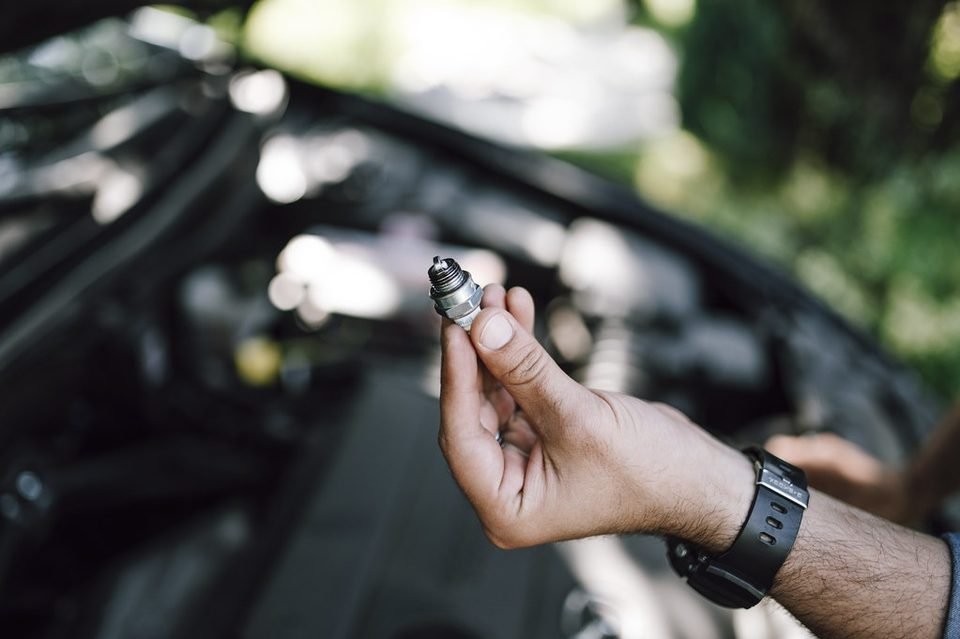
PCV valve replacement cost in 2026 at a glance
| Job or engine type | Parts | Labor | Typical total (independent shop) |
|---|---|---|---|
| Simple inline PCV valve, easy access | $5–$30 | 0.2–0.5 hr ($25–$90) | $40–$150 |
| PCV valve, hard to reach (under intake or behind parts) | $10–$40 plus gaskets | 1–2.5 hrs | $150–$450 |
| PCV hoses and grommets | $15–$100 | 0.5–1.5 hrs | $75–$300 |
| PCV / oil separator module (e.g., some VW/Audi engines) | $60–$250 | 1–2.5 hrs | $250–$600 |
| Valve cover with integrated PCV, 4-cylinder (e.g., some GM) | $100–$300 | 1–2.5 hrs | $300–$700 |
| Valve cover with integrated PCV, V6 or inline-6 (e.g., some BMW, GM V6) | $150–$500 | 2–4 hrs | $500–$1,200 |
| Dealership, OEM part | OEM ($20–$600+) | $150–$250/hr | $100–$1,500+ |
Many shops replace a simple PCV valve during an oil change or tune-up for little more than the cost of the part. If you are already paying for nearby work, ask.
What a PCV valve does
Every engine lets a small amount of combustion gas slip past the piston rings into the crankcase. This is called blow-by. The positive crankcase ventilation (PCV) system pulls those gases out and sends them back into the intake to be burned, instead of venting them into the air.
The PCV valve is a small one-way valve that controls how much flow goes through the system. On older and many current engines, it is a plastic or metal valve about the size of a thumb, pushed into a rubber grommet on the valve cover or intake. On some newer engines, the valve is a diaphragm molded into the valve cover or a separate oil separator box.
When the valve sticks open, the engine sucks in extra air and may idle rough or set lean codes. When it sticks closed or clogs, pressure builds up in the crankcase and pushes oil out past gaskets and seals.
Why some PCV jobs are expensive
The price difference comes down to engine design, not the valve itself:
- Integrated valve covers. Some BMW six-cylinder and four-cylinder engines, and some GM engines such as certain 1.4L turbo four-cylinders and 3.6L V6s, build the PCV diaphragm into the plastic valve cover. When the diaphragm tears, the usual fix is a new valve cover and gasket.
- Oil separator modules. Many VW and Audi turbocharged four-cylinders use a separate PCV or oil separator unit bolted to the engine. The part is moderate, but access can take an hour or more.
- Hidden valves. On a few V6 and V8 engines the valve sits under the intake manifold, so the shop has to remove parts and replace gaskets to reach a $15 valve.
If your engine has an integrated cover, the job is basically a valve cover replacement. Our valve cover gasket replacement cost guide covers what that labor involves.
Signs of a bad PCV valve
- Whistling, hissing or a howl from the engine bay, often from a torn diaphragm.
- Rough or high idle, stalling or hesitation.
- Check engine light with lean codes such as P0171 or P0174, or a PCV-specific code on some vehicles.
- Increased oil consumption or oil in the air intake tube or throttle body.
- New oil leaks at the valve cover gasket, crankshaft seals or dipstick tube.
- Suction at the oil filler cap that makes it hard to remove with the engine running, a common sign on integrated designs.
- Blue-gray smoke from the exhaust or sludge under the oil cap.
Many of these overlap with vacuum leaks, ignition problems and worn gaskets. A misfire with lean codes may also involve the spark plugs, so a good shop will check the whole picture.
Try the cheap fix first
On a simple inline valve, pull it out and shake it. A healthy valve rattles. If it is silent or gummed up, a new $5–$30 valve and grommet is worth trying before anything else. Also check the PCV hoses for cracks; a split hose can cause the same whistle as a torn diaphragm.
Is it safe to drive with a bad PCV valve?
For a short time, usually yes. A bad PCV valve will not cause a sudden failure on most cars. But it is not a repair to ignore for months.
Crankcase pressure can blow out seals and gaskets, turning a cheap fix into an oil leak repair. Oil pulled into the intake can foul spark plugs and, on turbo engines, coat the intercooler. A valve stuck open can make the engine run lean and rough.
Get it checked soon if you notice these
A loud howl at idle, oil spraying around the engine bay, a dipstick pushing up out of its tube, or a rapidly falling oil level. These mean high crankcase pressure. Check the oil level often and keep it topped off until the repair is done.
What drives the price up or down
1. Engine design
This is by far the biggest factor. A separate inline valve costs less than most oil changes. An integrated valve cover on a six-cylinder engine can cost more than a set of brakes. Look up your exact engine before getting quotes.
2. Access
Even simple valves can sit behind an engine cover, the intake plenum or ignition coils. Extra parts to remove means more labor and sometimes new gaskets.
3. OEM vs. aftermarket
Aftermarket valve covers with integrated PCV are widely sold and can cost far less than OEM. Quality varies, though, and a poorly molded cover may leak or crack. For integrated designs, an original-supplier part is often worth the extra money.
4. Related work
If oil has been pushed past seals, the shop may also recommend new gaskets, spark plug tube seals or coils that got soaked in oil. Doing this while the cover is off avoids paying the same labor twice.
What a master tech wants you to know about PCV repairs
- On some engines the PCV valve is built into the valve cover (several BMW engines and GM’s 1.4L turbo in the Cruze, Sonic, Trax and Encore), so the proper fix is a new valve cover. Volkswagen and Audi 2.0T engines use a separate oil separator module.
- Buried valves add labor. On some Ford and Mazda four-cylinders the PCV valve sits under the intake manifold, and on some supercharged engines it is under the supercharger.
- Use an OE-quality part. The valve’s spring and opening size are matched to the engine, and a poor one can act like a vacuum leak or let oil into the intake.
- Replace the hose and grommet with the valve. Old hoses go soft and collapse, and brittle grommets can break and drop into the engine.
- A whistle from the engine on many European cars is often a torn PCV diaphragm, not a bad belt or bearing.
- Check the PCV system before paying for big reseals. A clogged PCV can build crankcase pressure that pushes oil past gaskets and seals. Fixing it first can stop small leaks and protects new seals.
It counts as an emissions part
PCV systems are emissions components, so a newer car may still be covered by an emissions warranty. Ask a dealer to check your VIN.
Dealer vs. independent shop vs. DIY
| Option | Typical cost | Pros | Cons |
|---|---|---|---|
| Dealership | $100–$250 simple; $600–$1,500+ integrated | OEM parts, known engine issues | Highest labor rate and parts markup |
| Independent shop | $40–$150 simple; $300–$1,200 integrated | Fair labor rate, choice of parts | Some shops are less familiar with European designs |
| Chain shop | $50–$150 simple | Quick, often added to an oil change | May not take on integrated cover jobs |
| DIY | $5–$30 simple; $100–$500 integrated parts | Lowest cost | Integrated covers need torque specs and careful gasket work |
A simple PCV valve is one of the easiest DIY jobs on a car, often needing only pliers. Integrated covers are more involved but are a common home job on some BMW and GM engines for owners with basic tools and a torque wrench.
How to pay less without cutting corners
- Find out which design you have before calling shops, so you can compare quotes fairly.
- Check hoses and the oil cap seal first. A cracked hose is cheaper than a new valve cover.
- Bundle related work such as valve cover gaskets or spark plugs if the cover is coming off anyway.
- Get two quotes, including one from an independent shop that knows your brand.
- Check your coverage. Some extended plans cover valve covers and PCV parts. See are extended car warranties worth it?
When to walk away from the repair
A PCV repair alone is almost never a reason to give up on a car. Even a $1,200 integrated valve cover is modest next to most engine repairs. The decision changes when PCV failure has already caused heavy oil burning, multiple oil leaks and other engine work, all on a car worth little. Add up every repair and compare the total with the car’s value. Our guide on whether it’s worth fixing an old car explains the 50% rule, and the repair or replace calculator runs the numbers for you.
Useful on Amazon for this job
As an Amazon Associate we earn from qualifying purchases. Always confirm fit for your exact vehicle or ask your dentist.
Super Car Digest · $14
The Used Car Buying Playbook
Big repair bill on an older car? Before you pay for it, run the numbers on replacing the car — and if you do switch, don’t overpay for the next one. Budget worksheet, 15-minute VIN screen, test-drive routine, word-for-word negotiation scripts and a 10-point contract check.
Frequently asked questions
How much does it cost to replace a PCV valve?
About $40–$150 at an independent shop on most cars. If the PCV is built into the valve cover or an oil separator, expect $250–$1,200 depending on the engine. Estimates as of 2026.
Why is my PCV valve repair quote so high?
Your engine likely has the PCV built into the valve cover or a separate module, or the valve is hidden under the intake. Ask the shop which part they are replacing and how many labor hours they quoted.
How often should a PCV valve be replaced?
Many owner’s manuals do not list a fixed interval. Simple valves are often checked around 50,000–100,000 miles. Replace it when it stops rattling or causes symptoms.
Can a bad PCV valve cause oil leaks?
Yes. A clogged valve lets pressure build in the crankcase, which can push oil out through gaskets and seals.
Can a bad PCV valve cause a check engine light?
Yes. A valve stuck open often sets lean codes such as P0171 or P0174, and some vehicles have PCV-specific codes.
Can I clean a PCV valve instead of replacing it?
You can, but simple valves are so cheap that replacing one is usually the better choice.
Sources and methodology
Price ranges combine 2026 estimates from the RepairPal estimator for PCV valve and valve cover replacement, published labor-time guides, current retail pricing for aftermarket and OEM PCV valves, oil separators and valve covers, and labor at typical 2026 shop rates ($100–$175/hr independent, $150–$250/hr dealer; AAA has reported national averages around $140/hr). These are estimates; your quote will vary by vehicle, region and condition.