Key takeaways
- A hydraulic rack and pinion replacement typically costs $800–$1,800 at an independent shop. A remanufactured rack costs $150–$500; labor is usually 2.5–5 hours.
- An electric power steering (EPS) rack is much pricier: $1,300–$3,000 at most shops, because the motor and electronics are built into the rack.
- A wheel alignment ($100–$200) is required after every rack replacement. Many quotes include it; check yours.
- Dealers often charge $2,000–$4,500+ with a new OEM rack, especially for EPS racks on newer SUVs and trucks.
- Estimates as of 2026; your price depends on the vehicle, part type and local labor rates ($100–$175/hr independent, $150–$250/hr dealer).
The rack and pinion replacement cost for most cars with hydraulic power steering in 2026 is about $800 to $1,800 at an independent shop: roughly $150–$500 for a remanufactured rack and $350–$900 in labor, plus fluid and a required alignment. Cars with electric power steering (EPS) cost more, usually $1,300–$3,000, because the rack comes with an electric motor and control module attached. Dealers using new OEM parts commonly charge $2,000–$4,500 or more. This guide explains the price difference between hydraulic and electric racks, remanufactured vs. new parts, the leak and steering symptoms to watch for, and how to keep the bill under control.
📩 Important: after you sign up, open the email from Super Car Digest and tap Confirm. Your checklist opens right away. Not there? Check Spam or Promotions.
Rack and pinion replacement cost in 2026 at a glance
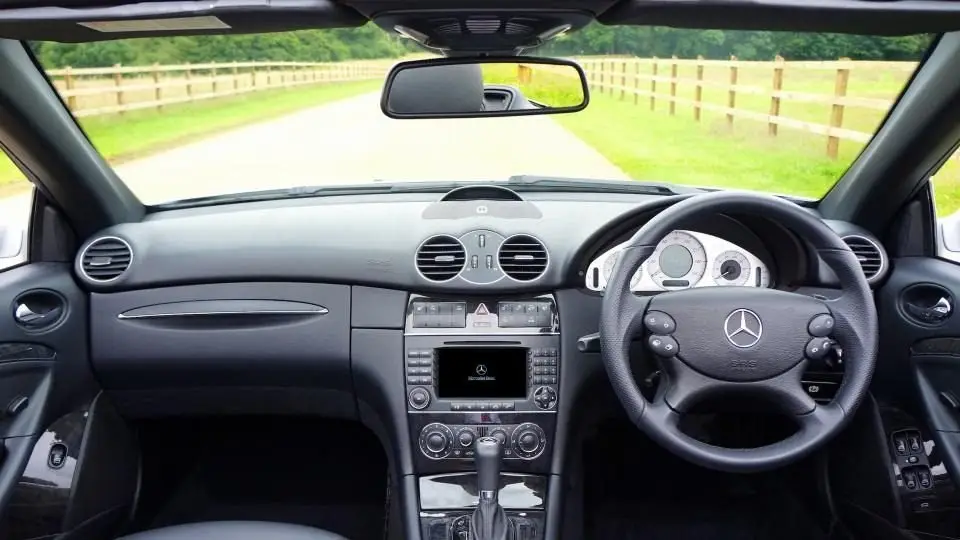
| Job | Parts | Labor | Typical total (independent shop) |
|---|---|---|---|
| Hydraulic rack, compact or midsize car (reman) | $150–$400 | 2.5–4 hrs ($250–$700) | $800–$1,400 |
| Hydraulic rack, SUV, minivan or pickup (reman) | $200–$500 | 3–5 hrs ($300–$875) | $900–$1,800 |
| Hydraulic rack, new aftermarket or OEM | $400–$1,000 | 2.5–5 hrs | $1,100–$2,200 |
| Electric (EPS) rack, car or crossover (reman) | $500–$1,200 | 2.5–4.5 hrs | $1,300–$2,200 |
| Electric (EPS) rack, SUV or truck, new | $1,000–$2,200 | 3–5 hrs plus programming | $1,800–$3,000 |
| Rack boot or inner tie rod only | $20–$100 | 1–2 hrs | $200–$450 |
| Wheel alignment (required afterward) | — | — | $100–$200 |
| Dealership, new OEM rack | OEM ($800–$2,500+) | $150–$250/hr | $2,000–$4,500+ |
If your outer tie rod ends are worn or rusted in place, add $50–$150 in parts. The core charge on a remanufactured rack is refunded when the old unit is returned.
What a rack and pinion does
The rack and pinion is the steering gear on nearly every modern car, crossover and many trucks. When you turn the steering wheel, a small gear (the pinion) at the bottom of the steering shaft moves a long toothed bar (the rack) left or right. Tie rods on each end of the rack push and pull the front wheels.
On a hydraulic system, a belt-driven pump sends pressurized fluid into the rack to make steering easier. Seals inside the rack hold that pressure. Over time, those seals harden and wear, and the rack starts to leak or lose assist.
On an electric power steering (EPS) system, there is no fluid and no pump. An electric motor mounted on the rack or the steering column provides the assist, controlled by a module that reads steering angle and torque sensors. EPS racks rarely leak, but when the motor, sensor or internal gear fails, the fix is usually a full rack assembly with the electronics included. That is why EPS repairs cost so much more.
Signs of a bad rack and pinion
- Power steering fluid leaking near the front of the car, often red or amber fluid dripping from the rack boots or the line fittings. Wet, swollen rubber boots at each end of the rack are a common giveaway.
- Low fluid that keeps coming back, even after you top off the reservoir.
- Stiff steering when the car is cold, or steering that feels heavy in one direction.
- Loose or wandering steering, with extra play in the wheel before the car responds.
- Clunking or knocking from the front end over bumps or when turning, often from worn rack mounts or inner tie rods.
- A power steering warning light or sudden loss of assist on an EPS car.
Not every leak or noise means a new rack. A whining pump, a leaking pressure hose or worn tie rod ends can feel similar and cost far less. Our tie rod replacement cost guide covers the cheaper end of steering repairs, and a good shop should confirm the leak source with the car on a lift before quoting a rack.
Find the leak before you buy a rack
Ask the shop to clean the area and check where the fluid is actually coming from. Fluid inside the rack boots usually means the rack seals are gone. Fluid at the line fittings or hoses may only need a $150–$400 hose repair.
Is it safe to drive with a bad rack and pinion?
It depends on the symptom. A slow seep on a hydraulic rack is common on older cars, and many drivers top off the fluid for months. The risk is that the pump runs low, gets noisy and wears out, turning a rack job into a rack and pump job.
Loose steering, clunks or sudden loss of assist are different. Extra play means the car does not respond the way you expect, which matters most in an emergency move. On an EPS car, a failed motor can make the steering suddenly very heavy, which is a real problem in a parking lot or a tight turn.
Stop driving if you notice these
Steering that binds, sticks or does not return to center, a grinding noise when turning, a fast leak that empties the reservoir within days, or an EPS warning light with heavy steering. Have the car checked before more driving, and tow it if the steering feels unpredictable.
What drives the price up or down
1. Hydraulic vs. electric power steering
This is the biggest factor. Most cars built in the last decade or so use EPS, and their racks can cost two to four times as much as a hydraulic rack. Check your owner’s manual or look under the hood: no power steering reservoir and no pump usually means EPS.
2. Remanufactured vs. new
Remanufactured racks have new seals and worn parts replaced, and they usually come with a limited lifetime warranty from the parts store. They are the normal choice for older cars. Quality varies by rebuilder, and a few cheap units can leak again, so ask your shop which brand it trusts. New OEM racks cost more but are worth considering on a newer car you plan to keep for years.
3. Access and labor time
On some cars, the rack comes out in a couple of hours. On others, the shop has to lower the subframe or remove exhaust parts, pushing labor to five hours or more. Rusted bolts and seized tie rod ends add time in snowy states.
4. Alignment and related parts
An alignment is not optional. The new rack changes the toe setting, and skipping the alignment can wear out a new set of tires quickly. If the shop finds worn control arms or ball joints, fixing them before the alignment saves paying for a second one later.
Dealer vs. independent shop vs. DIY
| Option | Typical cost | Pros | Cons |
|---|---|---|---|
| Dealership | $2,000–$4,500+ | New OEM rack, EPS programming tools | Highest labor rate and parts markup |
| Independent shop | $800–$3,000 | Fair labor rate, reman or new parts | Some shops send EPS calibration to a dealer |
| Chain shop | $900–$2,800 | Quick, often bundle alignment | Upselling is common |
| DIY | $150–$1,200 in parts | Lowest cost on hydraulic racks | Tight access, line wrenches, fluid bleeding; still need a professional alignment |
DIY is possible on many hydraulic systems for an experienced home mechanic, but it is not a beginner job. EPS racks are less DIY friendly because of the electrical connectors and, on some cars, required calibration. Either way, you still need to pay for an alignment.
How to pay less without cutting corners
- Confirm the diagnosis. Make sure the leak or play is coming from the rack and not a hose, pump or tie rod end.
- Choose a remanufactured rack with a lifetime warranty on an older car instead of a new OEM unit.
- Get two quotes, and make sure both include fluid, alignment and outer tie rods if needed so you compare the same job.
- Bundle front-end work. If tie rods, ball joints or control arms are worn, do them before the single alignment.
- Check your coverage. Steering racks are covered under many factory and extended plans, especially EPS racks on newer cars. See are extended car warranties worth it?
When to walk away from the repair
A $1,000 hydraulic rack on a solid car is usually worth doing. The math gets harder with a $2,500 EPS rack on an older vehicle worth $4,000, or when the rack is one item on a list that also includes an oil leak, tired suspension and transmission concerns. Add up every repair and compare the total with the car’s value. Our guide on whether it’s worth fixing an old car explains the 50% rule, and the repair or replace calculator runs the numbers for you.
If you are shopping for a used car, look under the front for wet rack boots and turn the wheel lock to lock while parked, listening for groans or clunks. Our used car inspection checklist covers what else to check.
Useful on Amazon for this job
As an Amazon Associate we earn from qualifying purchases. Always confirm fit for your exact vehicle or ask your dentist.
Super Car Digest · $14
The Used Car Buying Playbook
Big repair bill on an older car? Before you pay for it, run the numbers on replacing the car — and if you do switch, don’t overpay for the next one. Budget worksheet, 15-minute VIN screen, test-drive routine, word-for-word negotiation scripts and a 10-point contract check.
Frequently asked questions
How much does it cost to replace a rack and pinion?
About $800–$1,800 for a hydraulic rack and $1,300–$3,000 for an electric rack at an independent shop, plus $100–$200 for an alignment if it is not included. Dealers often charge $2,000–$4,500 or more. Estimates as of 2026.
Why is an electric power steering rack so expensive?
The motor, sensors and control module are usually built into the rack and sold as one assembly. Some cars also need a scan tool to calibrate the new rack, which adds labor.
Do I need an alignment after replacing the rack and pinion?
Yes. Replacing the rack changes the toe setting. Without an alignment, the car may pull and the tires can wear out quickly.
Is a remanufactured rack good enough?
For most older cars, yes. A quality reman rack with a lifetime warranty is the most common repair.
How long does a rack and pinion last?
Many last 100,000–150,000 miles or more. Leaks often show up on older, high-mileage cars as the seals age, while EPS racks tend to fail from electrical or sensor problems rather than leaks.
Sources and methodology
Price ranges combine 2026 estimates from the RepairPal estimator for steering rack replacement, published labor-time guides, current retail pricing for remanufactured, new aftermarket and OEM racks, and labor at typical 2026 shop rates ($100–$175/hr independent, $150–$250/hr dealer; AAA has reported national averages around $140/hr). These are estimates; your quote will vary by vehicle, region and condition.