Key takeaways
- Replacing only the side mirror glass typically costs $50–$150 installed. The glass is $15–$80; labor is often 15–30 minutes.
- A complete power mirror assembly usually costs $150–$500 at an independent shop, including about 0.5–1 hour of labor.
- Mirrors with blind-spot monitoring, cameras or auto-dimming commonly run $400–$1,200+, and more at a dealer.
- Paint matching a mirror cover adds roughly $50–$200 unless you buy a pre-painted part.
- Estimates as of 2026; your price depends on the vehicle, mirror features and local labor rates ($100–$175/hr independent, $150–$250/hr dealer).
The side mirror replacement cost in 2026 is about $50 to $150 if only the glass is broken, and $150 to $500 for a complete power mirror at an independent shop: roughly $60–$350 for the part and $50–$175 in labor. Mirrors with heated glass, turn signals, blind-spot sensors or cameras often cost $400–$1,200 or more, and dealers with OEM parts can go higher. This guide explains the difference between glass-only and full housing repairs, how mirror features change the price, what paint matching adds, and how to avoid paying for more mirror than you need.
📩 Important: after you sign up, open the email from Super Car Digest and tap Confirm. Your checklist opens right away. Not there? Check Spam or Promotions.
Side mirror replacement cost in 2026 at a glance
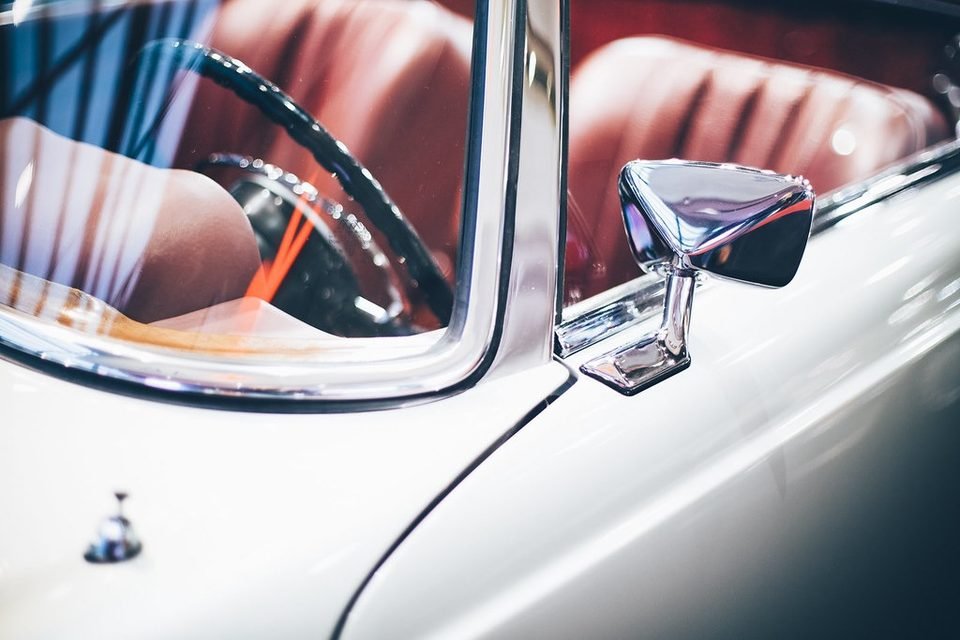
| Job (per mirror) | Parts | Labor | Typical total (independent shop) |
|---|---|---|---|
| Mirror glass only, non-heated | $15–$50 | 0.25–0.5 hr ($25–$90) | $50–$120 |
| Mirror glass only, heated or auto-dimming | $40–$200 | 0.25–0.5 hr | $80–$280 |
| Manual mirror, full housing | $40–$150 | 0.5–1 hr ($50–$175) | $100–$300 |
| Power mirror, full housing | $60–$300 | 0.5–1 hr | $150–$450 |
| Power heated mirror with turn signal | $100–$400 | 0.75–1.25 hrs | $200–$600 |
| Mirror with blind-spot monitor or camera | $250–$900+ | 1–1.5 hrs + setup | $400–$1,200+ |
| Mirror cover only, painted to match | $20–$100 | Paint $50–$150 | $80–$250 |
| Dealership, OEM mirror assembly | OEM ($250–$1,500+) | $150–$250/hr | $400–$2,000+ |
Many full mirror assemblies come in black primer or a textured black finish. If your mirror cover is body color, budget for paint or buy a pre-painted part matched to your paint code.
What a side mirror assembly includes
A modern side mirror is more than a piece of glass. The assembly includes the housing that bolts to the door, the mirror glass on a backing plate, the cover or cap, and often a small motor for adjusting the glass. Many also fold electrically.
Depending on the trim, the mirror may also hold a heating element to clear frost, a turn signal or puddle light, an auto-dimming glass layer, a blind-spot warning light and sensor, or a camera for a surround-view system. Each feature adds wiring and cost.
Glass only or full housing?
If the housing is intact and the mirror still moves, you usually need only the glass. Replacement glass often snaps onto the motor with clips, so the job takes minutes. If the housing is cracked, hanging loose, or the motor no longer works, you need the full assembly, which usually means removing the inner door panel to reach the bolts and connector.
Signs you need a new side mirror
- Cracked or shattered glass that distorts the view behind you.
- A loose or dangling housing after hitting a pole, garage door or another car.
- A mirror that will not adjust or fold, often a failed motor.
- Heated glass that stays foggy or frosted in cold weather.
- A blind-spot or camera warning on the dash after mirror damage.
- Vibration at highway speed from a broken mount.
Check the glass before buying a whole mirror
Many owners buy a full mirror when only the glass is cracked. If the housing is solid and the adjustment still works, a $20–$80 glass with the right features (heated, auto-dimming, blind-spot icon) can save you hundreds.
Is it safe to drive with a broken side mirror?
For a short time, with care. A broken mirror makes lane changes and backing up harder, especially on the driver’s side. Most states require a working driver-side mirror, and many also require either a passenger-side mirror or a clear rear view through the interior mirror. A missing mirror can get you a ticket or a failed inspection, so check your state’s rules.
If the glass is cracked but still in place, a stick-on replacement glass or temporary mirror can get you through a few days. A housing hanging by its wires should be taped securely or removed, since it can hit the door and damage the paint.
Get it fixed quickly if
The driver-side mirror is gone, you rely on blind-spot warnings that no longer work, or the glass is so cracked you cannot judge distance. Use extra caution on highways and when merging until it is repaired.
What drives the price up or down
1. Mirror features
Features matter more than anything else. A manual mirror on an older compact may be under $100 for the part. A power-folding, heated, auto-dimming mirror with a camera and blind-spot sensor on a newer SUV can cost over $1,000 for the part alone.
2. Aftermarket vs. OEM
Aftermarket mirrors are often 40%–70% cheaper than dealer parts and work well for basic power or heated mirrors. For mirrors with cameras or blind-spot sensors, aftermarket options are limited and may not talk to the car’s computer correctly, so OEM or a good used OEM part is often safer.
3. Paint matching
A body-color mirror cover needs paint. Some sellers offer covers pre-painted to your paint code. Otherwise, a body shop typically charges $50–$200 to paint and clear-coat it. Pearl and three-stage colors cost more.
4. Programming and calibration
Some cars need the new mirror set up with a scan tool, especially if it has a camera, memory settings or blind-spot sensors. That can add $50–$200 in labor.
Dealer vs. independent shop vs. DIY
| Option | Typical cost (power mirror) | Pros | Cons |
|---|---|---|---|
| Dealership | $400–$1,200+ | OEM part, correct programming | Highest labor rate and parts markup |
| Independent shop | $150–$500 | Fair labor rate, choice of parts | May not program camera mirrors |
| Body shop | $200–$700 | Paint matching in one visit | Can take longer |
| DIY | $15–$350 in parts | Lowest cost; glass-only is easy | Door panel clips break; camera mirrors may need programming |
Glass-only replacement is one of the easiest car repairs. Full assemblies take more patience: you remove the door panel, unplug the connector, and remove three or so nuts. Order the part using your VIN so the features and connector match.
How to pay less without cutting corners
- Replace just the glass when the housing and motor are fine.
- Match features exactly. Buying a mirror without heat or a signal can leave you with a warning light or a missing function.
- Look for a used OEM mirror in your color from a salvage yard, which can avoid paint costs.
- Get an independent quote before going to the dealer, and ask whether programming is needed.
- Check your insurance. Mirror damage from vandalism is usually a comprehensive claim; damage from hitting something is usually collision. Many mirror repairs cost less than the deductible.
If the same incident also dented the door, see our car dent repair cost guide. Doing both at one body shop can save on paint blending.
When to walk away from the repair
A side mirror is rarely a reason to stop investing in a car. Even a $1,200 camera mirror is small next to most major repairs. The math only changes when the mirror is part of a long list, such as body damage, worn tires and a check engine light, on a car that is not worth much. Add up every repair and compare it with the car’s value. Our guide on whether it’s worth fixing an old car explains the 50% rule, and the repair or replace calculator helps you check your own case.
When shopping for a used car, test every mirror: adjust, fold, heat and blind-spot lights. A mismatched mirror color can point to past body damage. Our used car inspection checklist covers what else to look for.
Useful on Amazon for this job
As an Amazon Associate we earn from qualifying purchases. Always confirm fit for your exact vehicle or ask your dentist.
Super Car Digest · $14
The Used Car Buying Playbook
Big repair bill on an older car? Before you pay for it, run the numbers on replacing the car — and if you do switch, don’t overpay for the next one. Budget worksheet, 15-minute VIN screen, test-drive routine, word-for-word negotiation scripts and a 10-point contract check.
Frequently asked questions
How much does it cost to replace a side mirror?
About $50–$150 for glass only, $150–$500 for a power mirror assembly, and $400–$1,200 or more for mirrors with blind-spot sensors or cameras. Estimates as of 2026.
How much does side mirror glass replacement cost?
Usually $50–$120 for standard glass and up to about $280 for heated or auto-dimming glass, installed.
Can I replace a side mirror myself?
Yes, on many cars. Glass-only swaps take minutes. Full assemblies require removing the door panel, and mirrors with cameras may need programming.
Does insurance cover a broken side mirror?
Often, under comprehensive (vandalism, falling objects) or collision (hitting something). If the repair costs less than your deductible, paying yourself is usually simpler.
Is it illegal to drive without a side mirror?
Rules vary by state, but most require a working driver-side mirror. Check your state’s vehicle code and repair the mirror soon.
How long does side mirror replacement take?
Glass only takes about 15–30 minutes. A full assembly usually takes 30 minutes to an hour, plus time for paint or programming if needed.
Sources and methodology
Price ranges combine 2026 estimates from the RepairPal estimator for side mirror replacement, published labor-time guides, current retail pricing for aftermarket and OEM mirror glass and assemblies, and labor at typical 2026 shop rates ($100–$175/hr independent, $150–$250/hr dealer; AAA has reported national averages around $140/hr). These are estimates; your quote will vary by vehicle, region and condition.