Key takeaways
- A front strut replacement typically costs $450–$1,100 for the pair at an independent shop. Aftermarket complete struts cost $80–$250 each; labor is usually 2–3.5 hours for both sides.
- Quick-struts (complete assemblies with spring and mount) cost more per part but less in labor, and are the usual choice on high-mileage cars.
- Struts should be replaced in pairs on the same axle, and most cars need a wheel alignment afterward ($100–$200).
- Dealers often charge $1,000–$2,000+ for front struts with OEM parts; trucks, luxury cars and electronic or air struts cost more.
- Estimates as of 2026; your price depends on the vehicle, part brand and local labor rates ($100–$175/hr independent, $150–$250/hr dealer).
The front strut replacement cost for most cars and crossovers in 2026 is about $450 to $1,100 for both sides at an independent shop: roughly $160–$500 for a pair of aftermarket complete struts and $200–$600 in labor, plus $100–$200 for the alignment that usually follows. Dealers using OEM parts commonly land between $1,000 and $2,000. If you buy bare struts and reuse your old springs and mounts, the parts bill drops, but labor goes up. This guide covers front struts replacement cost by vehicle type, quick-strut vs bare strut, strut mounts, warning signs, and how to keep the bill reasonable.
📩 Important: after you sign up, open the email from Super Car Digest and tap Confirm. Your checklist opens right away. Not there? Check Spam or Promotions.
Front strut replacement cost in 2026 at a glance
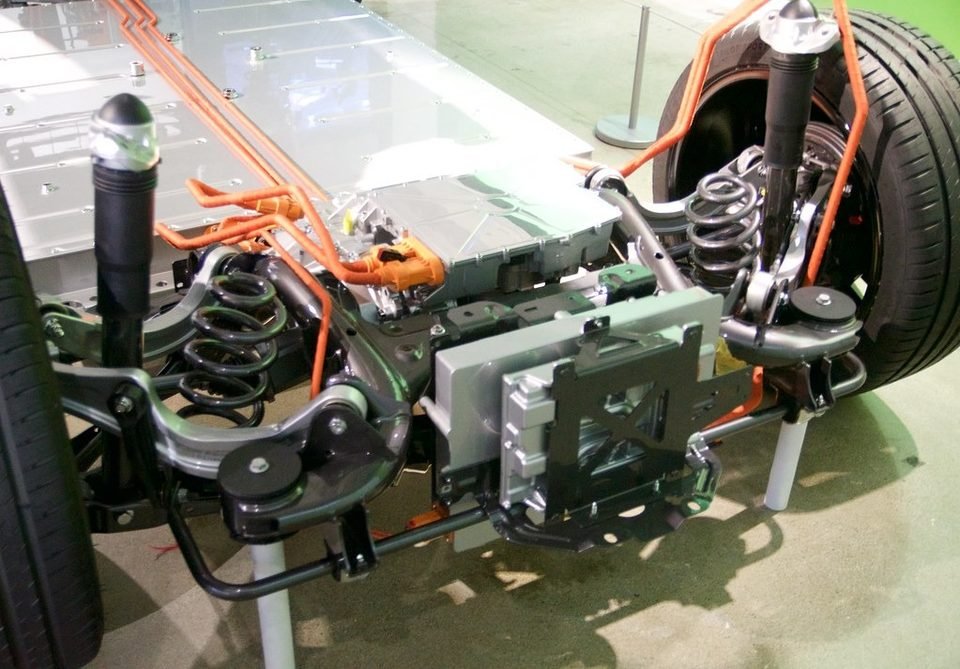
| Job | Parts | Labor | Typical total (independent shop) |
|---|---|---|---|
| Front quick-struts, pair, compact or midsize car | $160–$400 | 2–3 hrs ($200–$525) | $450–$900 |
| Front quick-struts, pair, SUV or crossover | $220–$500 | 2–3.5 hrs ($200–$600) | $550–$1,100 |
| Front bare struts, pair, reuse springs and mounts | $80–$300 | 3–4.5 hrs ($300–$790) | $450–$1,000 |
| Single front strut (one side only) | $80–$250 | 1–2 hrs | $250–$550 |
| Strut mounts and bearings, pair (with bare struts) | $40–$160 | Usually no extra | $40–$200 added |
| Wheel alignment after strut work | — | About 1 hr | $100–$200 |
| Electronic or air front struts, pair | $500–$1,800+ | 2–4 hrs | $900–$2,500+ |
| Dealership, OEM struts, pair | OEM ($300–$900+) | $150–$250/hr | $1,000–$2,000+ |
The alignment is not optional on most cars. Unbolting the strut from the steering knuckle changes the camber and toe settings, and a car that is out of alignment will wear tires unevenly within a few thousand miles.
What a front strut actually is
A strut is a shock absorber built into a structural part of the suspension. On most front-wheel-drive cars and crossovers, the front strut holds up the coil spring, locates the wheel, and connects at the top to the body through a strut mount, which often includes a bearing that lets the strut turn when you steer.
That is the difference from a plain shock absorber. A shock only controls bounce, while a strut also carries the weight of the car and helps set the alignment. That is why strut jobs take longer and cost more than rear shock replacements.
Quick-strut vs bare strut
A quick-strut or complete strut assembly arrives with a new spring, mount, bearing, boot and bump stop already installed. The mechanic unbolts the old unit and bolts in the new one. A bare strut is just the damper. The shop has to compress the old spring with a spring compressor, move the spring and mount over, and reassemble everything.
On a car past 80,000 miles, the old springs, mounts and dust boots are usually tired too, so a quick-strut is often the better value even though the part costs more. Bare struts make sense when the springs and mounts are fairly new, or when complete assemblies are not available for your model.
Signs your front struts are worn
- Nose dive when braking and a front end that bounces more than once after a bump.
- Clunking or knocking over bumps, often from a worn strut mount or loose strut.
- Oily residue running down the strut body, a sign the seal is leaking fluid.
- Cupped or scalloped tire wear on the front tires.
- Binding or popping when you turn the wheel at low speed, typical of a dry strut mount bearing.
- Floaty, wandering feel on the highway, especially in crosswinds.
Some of these noises overlap with worn sway bar links, control arm bushings or tie rods. A clunk over small bumps is very often a sway bar link, which is a much cheaper fix. Ask the shop to show you the play or the leak before you approve the strut job.
Do the bounce test, then get a look underneath
Push down hard on one front corner and let go. If the car bounces more than once or twice, the strut is likely weak. It is a rough test, so confirm it with a visual check for leaks and a test drive before buying parts.
Is it safe to drive with bad front struts?
For a short time, usually yes, but worn struts are a safety issue, not just a comfort issue. A weak strut lets the tire lose contact with the road over bumps, which lengthens stopping distances, makes the car less stable in emergency moves and can trigger the stability control sooner than it should.
A strut that is just tired can be scheduled within a few weeks. A strut that is leaking heavily, a mount that has broken through, or a broken coil spring is a different story.
Stop driving if you notice these
A loud bang followed by a corner sitting lower, a broken spring coil you can see, the strut top moving in the strut tower, or steering that suddenly feels loose. Have the car towed or driven a short distance at low speed to a shop.
What drives the price up or down
1. Vehicle type
Compact cars have inexpensive struts that come out with two or three bolts at the knuckle and three nuts at the top. Larger SUVs, some trucks with front coilovers and many European cars take longer and use pricier parts. Vehicles with adaptive or air suspension can cost two to three times as much.
2. Complete assembly vs bare strut
As covered above, quick-struts cost more in parts and less in labor. The totals often end up close, but with a quick-strut you also get a new spring and mount, so the value usually favors the complete assembly on older cars.
3. Strut mounts
If you go with bare struts, ask whether the mounts and bearings should be replaced at the same time. They cost $20–$80 each and add no extra labor while the strut is apart. Reusing a worn mount is a common reason for noise coming back after a new strut.
4. Rust and extra parts
In snowy states, knuckle bolts and top nuts can seize, adding an hour or more. Shops also commonly find worn sway bar links, outer tie rod ends or a leaking CV axle boot while they are in there. These are cheaper to fix during the same visit because the labor overlaps.
5. Pairs, not singles
Struts should be replaced in pairs on the same axle so both sides react to bumps and braking the same way. The only common exception is a nearly new car where one strut failed early or was damaged in a pothole.
Dealer vs. independent shop vs. DIY
| Option | Typical cost (front pair) | Pros | Cons |
|---|---|---|---|
| Dealership | $1,000–$2,000+ | OEM struts, factory-trained techs | Highest labor rate and parts markup |
| Independent shop | $450–$1,100 | Fair labor rate, choice of brands | Alignment may be sent out |
| Chain shop | $500–$1,200 | Often includes alignment package | Upselling on rear struts and extras |
| DIY with quick-struts | $160–$500 in parts | Lowest cost | Needs good jack stands, torque wrench, then a paid alignment |
DIY with complete quick-struts is realistic for a careful home mechanic on many cars. Bare struts are another matter: compressing a coil spring with rental tools is genuinely dangerous if a compressor slips, so leave spring work to a shop unless you have experience and proper equipment.
How to pay less without cutting corners
- Choose quick-struts on a high-mileage car. You avoid paying separately for springs, mounts and extra labor later.
- Get two quotes, including one from an independent shop. Strut work is routine and does not need a dealer.
- Confirm the alignment price up front, and ask whether it is included in the quote.
- Bundle worn suspension parts. Links, tie rods and control arms share labor with struts.
- Do not replace rear struts unless they are worn. Front struts usually wear faster; replace the rear set only if it shows the same signs.
When to walk away from the repair
Front struts are routine wear items, and at $450–$1,100 they rarely justify scrapping a car. The math changes when struts are one line on a long list: rusted subframe, failing transmission, worn engine and a full suspension rebuild. Add up every repair and compare it with the car’s value. Our guide on whether it’s worth fixing an old car explains the 50% rule, and the repair or replace calculator lets you run your own numbers.
Useful on Amazon for this job
As an Amazon Associate we earn from qualifying purchases. Always confirm fit for your exact vehicle or ask your dentist.
Super Car Digest · $14
The Used Car Buying Playbook
Big repair bill on an older car? Before you pay for it, run the numbers on replacing the car — and if you do switch, don’t overpay for the next one. Budget worksheet, 15-minute VIN screen, test-drive routine, word-for-word negotiation scripts and a 10-point contract check.
Frequently asked questions
How much does it cost to replace front struts?
About $450–$1,100 for the pair at an independent shop and $1,000–$2,000 or more at a dealer, plus $100–$200 for an alignment if it is not included. Estimates as of 2026.
Should I buy quick-struts or bare struts?
On most cars past 80,000 miles, quick-struts are the better value because they include a new spring, mount and boot and take less labor. Bare struts make sense when those parts are still in good shape.
Do you need an alignment after replacing struts?
On most vehicles, yes. Removing the strut from the knuckle changes the alignment settings, and skipping the alignment can wear out your front tires quickly.
Can I replace just one front strut?
It is not recommended. A new strut on one side and a worn one on the other makes the car handle unevenly. Replace them in pairs unless the car is nearly new.
How long do front struts last?
Many last 50,000–100,000 miles. Rough roads, heavy loads and potholes shorten that. Have them checked once the car passes about 60,000 miles.
How long does front strut replacement take?
Usually 2–3.5 hours for both sides with quick-struts, plus about an hour for the alignment. Bare struts or rusted hardware can add another hour or two.
Sources and methodology
Price ranges combine 2026 estimates from the RepairPal estimator for strut replacement, published labor-time guides, current retail pricing for aftermarket and OEM struts and strut mounts, and labor at typical 2026 shop rates ($100–$175/hr independent, $150–$250/hr dealer; AAA has reported national averages around $140/hr). These are estimates; your quote will vary by vehicle, region and condition.