Key takeaways
- A single ball joint replacement typically costs $200–$500 at an independent shop. Aftermarket joints cost $25–$150; labor is usually 1–3 hours per joint.
- Bolt-on joints are the cheapest to replace. Press-in joints take more time and a press tool, and joints built into the control arm mean buying the whole arm.
- Replacing both lower ball joints on the same visit usually runs $400–$900, plus a $100–$200 wheel alignment if the shop recommends one.
- A badly worn ball joint can separate and let the wheel fold under the car. This is a safety repair, not one to put off.
- Estimates as of 2026; your price depends on the vehicle, part brand and local labor rates ($100–$175/hr independent, $150–$250/hr dealer).
The ball joint replacement cost for most cars, SUVs and light trucks in 2026 is about $200 to $500 per joint at an independent shop: roughly $25–$150 for an aftermarket joint and $100–$400 in labor. Dealers using OEM parts commonly charge $400–$900 or more per joint, and much more if the joint only comes as part of a control arm. Doing a pair on the same axle typically costs $400–$900 before an alignment. This guide covers upper and lower ball joint prices, the difference between press-in, bolt-on and integrated designs, the warning signs, and why a worn ball joint is one of the repairs you should not stretch out.
📩 Important: after you sign up, open the email from Super Car Digest and tap Confirm. Your checklist opens right away. Not there? Check Spam or Promotions.
Ball joint replacement cost in 2026 at a glance
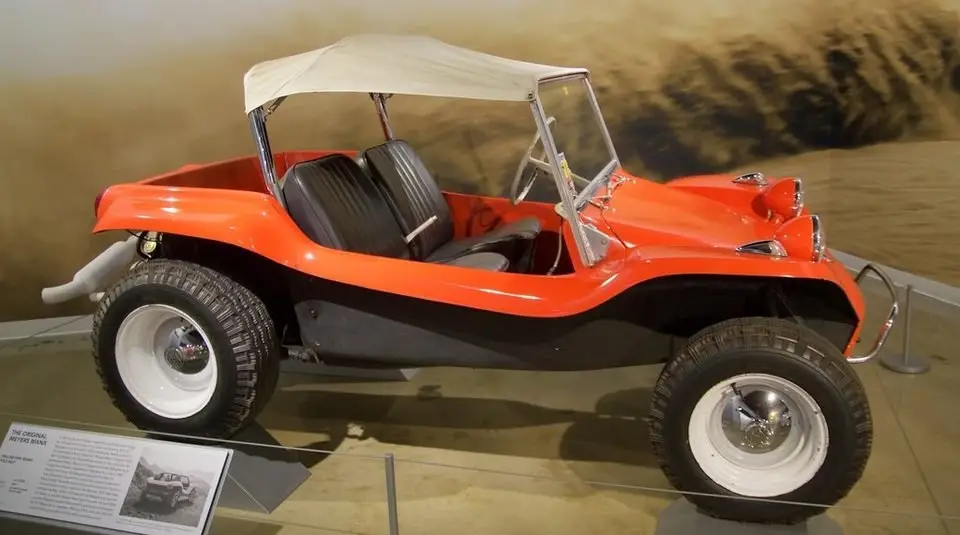
| Job | Parts | Labor | Typical total (independent shop) |
|---|---|---|---|
| Lower ball joint, bolt-on (car or crossover) | $25–$90 | 1–1.5 hrs | $150–$350 |
| Lower ball joint, press-in | $30–$120 | 1.5–2.5 hrs | $250–$500 |
| Upper ball joint (truck, SUV, double-wishbone car) | $30–$130 | 1–2 hrs | $200–$450 |
| Ball joint integrated in control arm (arm replaced) | $60–$300 per arm | 1–2 hrs | $250–$650 |
| 4×4 pickup, upper and lower, one side | $80–$250 | 2–3.5 hrs | $450–$850 |
| Both lower ball joints, same visit | $50–$240 | 2–4 hrs | $400–$900 |
| Wheel alignment afterward | — | About 1 hr | $100–$200 |
| Dealership, OEM joint or arm | OEM ($100–$450+) | $150–$250/hr | $400–$900+ |
Not every ball joint job needs an alignment. Many bolt-on lower joints can be swapped without changing the settings, but upper joints on trucks, and any job that replaces a control arm, usually throw alignment off. Ask your shop whether it is included in the quote.
What a ball joint does, and the three designs
A ball joint is a ball-and-socket pivot that connects a control arm to the steering knuckle, the part the wheel hub bolts to. It lets the wheel move up and down with the suspension and turn left and right when you steer. Most cars have a lower ball joint on each front wheel; many trucks, SUVs and performance cars have both an upper and a lower joint per side. The lower joint usually carries more of the vehicle’s weight and tends to wear first.
How a ball joint is mounted has the biggest effect on what you pay:
- Bolt-on: the joint is held to the control arm with bolts or rivets that are drilled out and replaced with bolts. Quick and cheap.
- Press-in: the joint is pressed into a bore in the control arm or knuckle. The shop needs a ball joint press, and rust can make this slow on older vehicles.
- Integrated: the joint is part of the control arm and is not sold separately. You replace the whole arm, which also gives you new bushings. Our control arm replacement cost guide covers those prices.
Signs of a bad ball joint
- Clunking or knocking from the front end over bumps, potholes or driveway entrances.
- Loose or wandering steering, where the car drifts and needs constant small corrections.
- Uneven tire wear, especially wear on the inner or outer edge of a front tire.
- Squeaking or creaking when turning or going over speed bumps, often from a dry joint with a torn boot.
- Vibration felt through the steering wheel or floor.
- Play in the wheel when a technician lifts the car and rocks the tire top to bottom.
Several front-end parts make similar noises. Worn tie rod ends usually cause loose steering and play side to side, while a clicking noise only in turns points more toward a CV joint. A worn strut mount can also clunk.
Ask to see the play
A good shop will show you the movement in a worn joint with the car on a lift, or measure it against the manufacturer’s limit. If a quote lists every ball joint, tie rod and bushing on the car at once, ask which parts actually have play and which are “recommended.”
Is it safe to drive with a bad ball joint?
Only for a short distance, and only if the wear is mild. A joint with slight play and a little noise may last a few weeks of gentle driving, but ball joints get worse with every pothole, and the wear speeds up once the protective boot tears and grease escapes.
The danger is separation. If the ball pulls out of its socket, the knuckle is no longer held to the control arm. The wheel can tilt or fold under the car, steering control is lost, and the car can drop onto the pavement. At speed that can cause a crash. Lower joints on vehicles with the spring sitting on the lower arm carry the most load and are the most serious when worn.
Stop driving if you notice these
Loud clunks on every bump, steering that suddenly feels sloppy, a wheel that looks tilted at the top or bottom, or grinding from one corner mean the joint may be close to failing. Park the car and arrange a tow rather than risk the highway.
What drives the price up or down
1. Joint design and location
Bolt-on lower joints on compact cars sit at the bottom of the range. Press-in joints add labor, and integrated joints add the cost of a control arm. Upper joints on some trucks are quick to reach, while lower joints on 4×4 trucks may require pulling the hub and axle shaft first.
2. Aftermarket vs. OEM parts
Good aftermarket ball joints are widely sold for $25–$150, and some heavy-duty versions include a grease fitting. OEM joints from a dealer often cost two to three times as much. On an older daily driver, a well-known aftermarket brand is usually a sensible choice; very cheap no-name joints are where problems tend to show up.
3. Rust and seized hardware
In salt-belt states, ball joint studs can seize in the knuckle and pressed joints can fight the press. That can add an hour or more.
4. One joint or a pair
Ball joints do not have to be replaced in pairs, but the other side has the same mileage and often the same wear. If both have measurable play, doing both together means one alignment instead of two.
Dealer vs. independent shop vs. DIY
| Option | Typical cost per joint | Pros | Cons |
|---|---|---|---|
| Dealership | $400–$900+ | OEM parts, factory-trained techs | Highest labor rate, may only sell full arms |
| Independent shop | $200–$500 | Fair labor rate, choice of parts | Part quality depends on the shop |
| Chain shop | $200–$550 | Quick, often coupons | Pressure to replace everything at once |
| DIY | $25–$150 in parts | Lowest cost | Needs a ball joint press or separator, torque wrench, then a paid alignment |
DIY is realistic for bolt-on joints and integrated control arms on many cars. Press-in joints are harder: parts stores often lend a ball joint press, but a rusted joint can take hours, and a mistake here affects steering.
How to pay less without cutting corners
- Get two quotes, including one from an independent shop. Ball joints are routine suspension work.
- Ask whether the joint is press-in, bolt-on or integrated. It explains most of the price difference between quotes.
- Choose a quality aftermarket part on an older car instead of an OEM part at dealer pricing.
- Bundle front-end work. If a tie rod or strut is also worn, doing it now means one alignment.
- Check your coverage. Suspension parts are often excluded from basic plans, so read the contract before assuming. See are extended car warranties worth it?
When to walk away from the repair
A ball joint by itself is rarely a reason to give up on a car, but it is a reason not to keep driving it until it is fixed. The question changes when the inspection turns up a long list: ball joints, tie rods, control arm bushings, struts and a rusted subframe on a car worth $3,000. Add everything up and compare the total with the car’s value. Our guide on whether it’s worth fixing an old car explains the 50% rule, and the repair or replace calculator runs the numbers for you.
Useful on Amazon for this job
As an Amazon Associate we earn from qualifying purchases. Always confirm fit for your exact vehicle or ask your dentist.
Super Car Digest · $14
The Used Car Buying Playbook
Big repair bill on an older car? Before you pay for it, run the numbers on replacing the car — and if you do switch, don’t overpay for the next one. Budget worksheet, 15-minute VIN screen, test-drive routine, word-for-word negotiation scripts and a 10-point contract check.
Frequently asked questions
How much does it cost to replace a ball joint?
About $200–$500 per joint at an independent shop and $400–$900 or more at a dealer. Integrated joints cost more because the control arm is replaced. Estimates as of 2026.
How much does it cost to replace both lower ball joints?
Usually $400–$900 at an independent shop, plus $100–$200 if an alignment is needed. Doing both in one visit saves some setup time.
Do you need an alignment after replacing ball joints?
Often, but not always. Upper joints, many truck joints and any control arm replacement usually call for one. Some bolt-on lower joints do not change alignment, but a check is cheap insurance against tire wear.
How long do ball joints last?
Many last 70,000–150,000 miles. Rough roads, heavy loads, lifted suspensions and torn boots shorten that.
What happens if a ball joint breaks while driving?
The knuckle can separate from the control arm, the wheel can fold under the car and you can lose steering control. That is why a clunking ball joint should be checked right away.
Is it cheaper to replace the ball joint or the control arm?
If the joint is sold separately and bolts on, the joint is cheaper. If it is pressed in and rusted, a complete aftermarket control arm with a new joint and bushings can cost about the same in total and take less labor.
Sources and methodology
Price ranges combine 2026 estimates from the RepairPal estimator for ball joint replacement, published labor-time guides, current retail pricing for aftermarket and OEM ball joints and control arms, and labor at typical 2026 shop rates ($100–$175/hr independent, $150–$250/hr dealer; AAA has reported national averages around $140/hr). These are estimates; your quote will vary by vehicle, region and condition.