Key takeaways
- Replacing a single upper or lower radiator hose typically costs $150–$400 at an independent shop, including coolant.
- Heater hoses usually run $150–$700, depending on how far back they sit near the firewall.
- Hoses cost $15–$120 each; labor is often 0.5–2.5 hours, plus coolant and time to refill and bleed the system.
- A burst hose can overheat the engine in minutes, and an overheated engine can cost thousands, so a leaking hose is worth fixing promptly.
- Estimates as of 2026; your price depends on the vehicle, hose location and local labor rates ($100–$175/hr independent, $150–$250/hr dealer).
The coolant hose replacement cost in 2026 is about $150 to $400 for a single radiator hose at an independent shop, and $150 to $700 for a heater hose. Parts are usually $15–$120 per hose plus $20–$60 in coolant, and labor typically runs $75–$400 depending on access. Replacing all the main hoses at once often costs $400–$900, and dealers commonly charge 30% to 60% more. This guide explains which hoses fail, how to spot a bad one, whether you can drive, and how to keep the bill down.
📩 Important: after you sign up, open the email from Super Car Digest and tap Confirm. Your checklist opens right away. Not there? Check Spam or Promotions.
Coolant hose replacement cost in 2026 at a glance
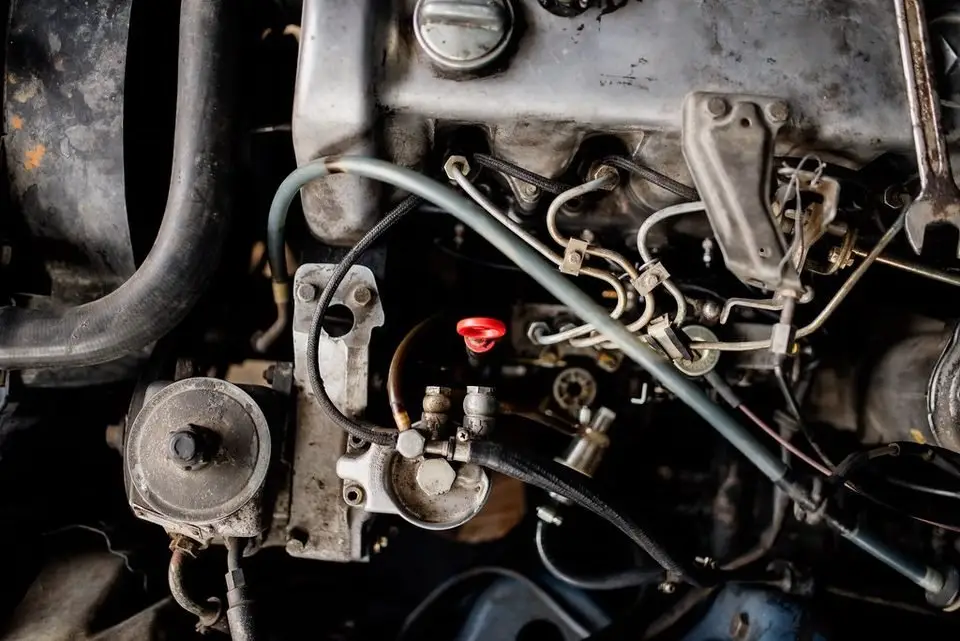
| Job | Parts | Labor | Typical total (independent shop) |
|---|---|---|---|
| Upper radiator hose | $20–$90 + coolant | 0.5–1.5 hrs | $150–$350 |
| Lower radiator hose | $20–$120 + coolant | 0.7–2 hrs | $175–$400 |
| Heater hose, easy access | $15–$70 + coolant | 0.5–1.5 hrs | $150–$350 |
| Heater hose at firewall or molded assembly | $50–$250 + coolant | 1.5–3.5 hrs | $300–$700 |
| Bypass or small coolant hose (throttle body, turbo) | $15–$80 | 0.5–2.5 hrs | $120–$450 |
| Both radiator hoses plus thermostat | $70–$250 + coolant | 1.5–3 hrs | $350–$750 |
| Full set of main hoses, same visit | $100–$350 + coolant | 2–4 hrs | $400–$900 |
| Dealership, single radiator hose | OEM hose ($50–$200) | $150–$250/hr | $250–$600 |
Most quotes include draining or catching the coolant, refilling with the correct type, and bleeding air out of the system. If your car needs a full coolant flush anyway, ask whether it can be done in the same visit for a small extra charge.
What coolant hoses do and which ones fail
Your engine’s cooling system moves coolant (a mix of antifreeze and water) between the engine, the radiator and the heater core. Coolant hoses are the flexible rubber connections between those parts. They have to handle heat, pressure and engine movement, and the rubber slowly hardens or softens with age.
- Upper radiator hose: carries hot coolant from the engine (usually the thermostat housing) to the top of the radiator. It runs the hottest and often fails first.
- Lower radiator hose: returns cooled coolant from the radiator to the water pump. It has suction on it, so many have an internal spring to keep them from collapsing.
- Heater hoses: smaller hoses that send coolant to the heater core behind the dashboard and back, which is how your cabin heat works.
- Bypass and small hoses: short hoses to the throttle body, turbocharger, coolant reservoir or EGR cooler on some engines.
Clamps hold each hose in place. Older cars use worm-gear clamps; many newer ones use spring clamps or quick-connect fittings. A loose or corroded clamp can leak even when the hose is fine, and plastic quick-connect fittings can crack with age.
Signs of a bad coolant hose
- Coolant puddles under the front of the car, usually green, orange, pink or blue, with a sweet smell.
- Low coolant in the reservoir that keeps dropping.
- Temperature gauge running hot or an overheating warning.
- Steam from under the hood.
- Swollen, cracked or soft hoses. A healthy hose feels firm; a failing one feels mushy, crunchy or has bulges near the ends.
- Dried coolant crust around hose ends and clamps.
- Weak or no cabin heat, which can point to low coolant or a blocked heater hose.
Not every coolant leak is a hose. The radiator, water pump, heater core, thermostat housing and head gasket are other common sources. A shop can pressure-test the system to find the leak. Our coolant leak repair cost guide covers each one, and our radiator replacement cost guide helps if the radiator itself is cracked.
Squeeze test your hoses
With the engine cold, squeeze each radiator hose. If it feels soft, spongy, cracked or noticeably swollen, plan to replace it soon. Checking at every oil change catches most hoses before they burst.
Is it safe to drive with a leaking coolant hose?
A slow seep at a clamp may let you drive a short distance if you keep the coolant topped up and watch the temperature gauge closely. That is a stopgap, not a fix. Hoses that have started leaking tend to get worse, and a weak hose can split without warning under pressure.
The danger is overheating. When a hose bursts, coolant can drain in seconds and the engine temperature climbs fast. Driving an overheating engine can warp the cylinder head, blow the head gasket or seize the engine, turning a $200 hose into a repair costing thousands.
Stop driving if you notice these
A temperature gauge in the red, steam from the engine bay, a sudden large puddle of coolant, or an overheating warning on the dash. Pull over safely, shut the engine off and let it cool. Never open a hot radiator cap or reservoir; the coolant is under pressure and can cause burns.
What drives the price up or down
1. Hose location
Upper radiator hoses are usually right on top and quick to swap. Lower hoses may need the splash shield or undertray removed. Heater hoses that run to the firewall, under the intake or behind the engine can take several hours.
2. Molded vs. generic hoses
Most modern cars use molded hoses shaped to fit one model. Some combine several branches or plastic fittings into one assembly, which costs more. Older vehicles may accept cheaper generic hoses.
3. Coolant type and bleeding
Many vehicles need a specific long-life coolant, often $20–$40 per gallon. Some engines trap air easily and need a vacuum fill tool or a careful bleeding procedure, which adds time. Skipping it can leave air pockets that cause overheating later.
4. Clamps and fittings
New clamps are cheap and worth replacing with the hose. Brittle plastic connectors, thermostat housings or radiator necks can break when an old hose is removed, adding parts to the bill.
5. Doing several hoses together
If one hose has failed from age, the others are usually the same age. Replacing them together shares the drain, refill and bleed time.
Dealer vs. independent shop vs. DIY
| Option | Typical cost per hose | Pros | Cons |
|---|---|---|---|
| Dealership | $250–$600 | OEM hoses and coolant | Highest labor rate |
| Independent shop | $150–$400 | Fair rates, quick turnaround | Hose quality depends on the shop |
| Chain shop | $150–$450 | Convenient, often same day | May push a full flush or extra hoses |
| DIY | $30–$150 in parts and coolant | Lowest cost | Need the right coolant, a drain pan, hose-clamp pliers and correct bleeding |
An upper radiator hose is one of the easiest cooling-system jobs to do yourself. Work only on a cold engine, catch the old coolant and dispose of it properly at a recycling center or parts store, because antifreeze is toxic to pets and children. Follow your owner’s manual or a service guide for bleeding air out of the system.
How to pay less without cutting corners
- Inspect hoses at every oil change and replace soft or cracked ones before they burst and need a tow.
- Use quality hoses from a known brand rather than the cheapest option.
- Combine work such as a coolant flush, thermostat or second hose in one visit.
- Get two quotes; this is routine work for any independent shop.
- Do the easy hose yourself if you are comfortable and have the right coolant.
- Check your coverage. Hoses are often listed as wear items and excluded from many extended plans, so read the contract. See are extended car warranties worth it?
When to walk away from the repair
A coolant hose by itself is almost never a reason to replace a car. It is one of the cheapest cooling-system repairs. The question changes if the engine overheated badly before the hose was fixed. Signs such as milky oil, white exhaust smoke or continuing coolant loss after the repair can point to head gasket damage, which is far more expensive.
If the hose is one of several big repairs on a high-mileage car, add up everything it needs and compare that with its value. Our guide on whether it’s worth fixing an old car explains the 50% rule, and the repair or replace calculator lets you run your own numbers. If you are buying used, our guide on how many miles is too many for a used car can help you judge the risk.
Useful on Amazon for this job
As an Amazon Associate we earn from qualifying purchases. Always confirm fit for your exact vehicle or ask your dentist.
Super Car Digest · $14
The Used Car Buying Playbook
Big repair bill on an older car? Before you pay for it, run the numbers on replacing the car — and if you do switch, don’t overpay for the next one. Budget worksheet, 15-minute VIN screen, test-drive routine, word-for-word negotiation scripts and a 10-point contract check.
Frequently asked questions
How much does it cost to replace a coolant hose?
About $150–$400 for a radiator hose and $150–$700 for most heater hoses at an independent shop. Dealers often charge $250–$600 for a single radiator hose. Estimates as of 2026.
How much does an upper radiator hose replacement cost?
Usually $150–$350, including coolant. It is often the quickest hose to replace because it sits on top of the engine.
How often should coolant hoses be replaced?
There is no single interval. Many hoses last 5–10 years or around 100,000 miles, but heat and age vary. Replace them when they feel soft, cracked or swollen.
Can I use tape to fix a leaking coolant hose?
Repair tape may get you a short distance in an emergency, but it will not hold system pressure for long. Replace the hose as soon as possible.
Do I need a coolant flush when replacing a hose?
Not always. The shop will refill what was lost. A full flush makes sense if the coolant is old, dirty or due according to your maintenance schedule.
Should I replace all coolant hoses at once?
On an older or high-mileage car, it often makes sense, since the hoses are the same age and the drain and refill labor is shared. On a newer car, replacing only the failed hose is fine.
Sources and methodology
Price ranges combine 2026 estimates from the RepairPal estimator for radiator hose and heater hose replacement, published labor-time guides, current retail pricing for aftermarket and OEM hoses and coolant, and labor at typical 2026 shop rates ($100–$175/hr independent, $150–$250/hr dealer; AAA has reported national averages around $140/hr). These are estimates; your quote will vary by vehicle, region and condition.