Key takeaways
- A complete drive shaft replacement typically costs $500–$1,500 at an independent shop. Aftermarket or remanufactured shafts cost $250–$1,000; labor is usually 1–2.5 hours.
- Many driveshaft problems are only a worn U-joint ($150–$400) or carrier bearing ($250–$600), which costs far less than a new shaft.
- On rear-wheel-drive and 4WD trucks, the “drive shaft” is the long tube to the rear axle. On front-wheel-drive cars, the shafts to the wheels are CV axles, a different and cheaper job.
- Dealers often charge $1,500–$3,000+ with an OEM shaft, especially for two-piece or carbon fiber shafts.
- Estimates as of 2026; your price depends on the vehicle, part source and local labor rates ($100–$175/hr independent, $150–$250/hr dealer).
The drive shaft replacement cost for most rear-wheel-drive cars, pickups and 4WD SUVs in 2026 is about $500 to $1,500 at an independent shop: roughly $250–$1,000 for an aftermarket or remanufactured shaft and $100–$400 in labor. Dealers installing a new OEM shaft commonly charge $1,500 to $3,000 or more. The good news is that many vibrations and clunks come from a single U-joint or the carrier bearing, which can often be replaced for $150–$600 without buying a whole shaft. This guide covers driveshaft, U-joint and carrier bearing prices, how a driveshaft differs from a CV axle, the warning signs and the options that save the most money.
📩 Important: after you sign up, open the email from Super Car Digest and tap Confirm. Your checklist opens right away. Not there? Check Spam or Promotions.
Drive shaft replacement cost in 2026 at a glance
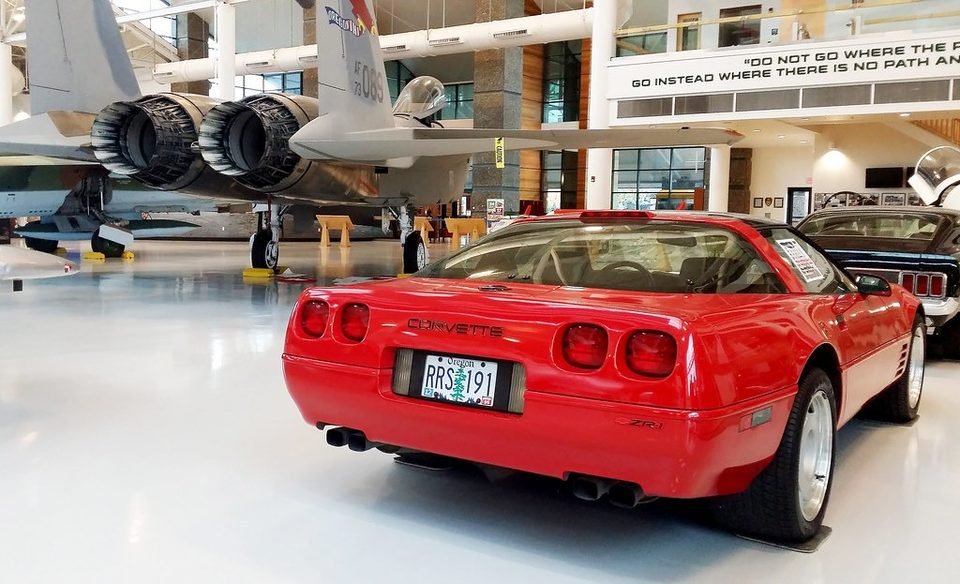
| Job | Parts | Labor | Typical total (independent shop) |
|---|---|---|---|
| One-piece driveshaft, RWD car or small pickup | $250–$600 | 1–1.5 hrs | $450–$850 |
| Two-piece driveshaft with carrier bearing | $400–$1,000 | 1.5–2.5 hrs | $650–$1,400 |
| Front driveshaft, 4WD truck or SUV | $300–$800 | 1–2 hrs | $500–$1,100 |
| Rear driveshaft, AWD SUV or crossover | $400–$1,100 | 1.5–3 hrs | $650–$1,600 |
| U-joint replacement (one joint) | $20–$80 | 1–2 hrs | $150–$400 |
| Carrier (center support) bearing | $50–$200 | 1.5–3 hrs | $250–$600 |
| Driveshaft balancing or custom rebuild | Shop dependent | — | $200–$600 |
| Dealership, new OEM shaft | OEM ($900–$2,500+) | $150–$250/hr | $1,500–$3,000+ |
Prices above assume the transmission and differential seals are fine. If a worn yoke or leaking seal is found during the job, expect another $100–$300.
What a drive shaft is, and how it differs from a CV axle
A drive shaft (also written driveshaft or called a propeller shaft) is a long metal tube that carries power from the transmission or transfer case to a differential. Rear-wheel-drive cars and pickups have one running to the rear axle. 4WD trucks add a front driveshaft from the transfer case to the front differential, and many AWD crossovers use a rear driveshaft to reach the rear wheels.
Most driveshafts have a flexible joint at each end, usually a universal joint (U-joint), sometimes a CV joint or rubber flex disc. Long shafts are often split into two pieces, with a carrier bearing bolted to the body in the middle to hold the shaft steady.
A CV axle is different. It is the short shaft that runs from the transmission or differential directly to a wheel, and every front-wheel-drive car has two. If your car is front-wheel drive and a shop says “drive shaft,” it almost always means a CV axle. That job costs much less; see our CV axle replacement cost guide.
Signs of a bad drive shaft, U-joint or carrier bearing
- Vibration felt in the floor or seat that grows with speed, often from a worn U-joint, failing carrier bearing or a bent, unbalanced shaft.
- A clunk when shifting into drive or reverse, or when you get on and off the gas.
- Squeaking at low speed that follows the speed of the car, a classic dry U-joint sign.
- Shudder when pulling away from a stop, common with a worn carrier bearing or out-of-phase shaft.
- Visible play when you twist the shaft by hand with the car safely parked, or rust dust around a U-joint cap.
Vibration has many causes. Out-of-balance tires, a bent wheel, worn engine mounts and a failing rear wheel bearing can all feel similar. A wheel bearing usually hums or growls and changes when you turn, while a driveshaft vibration tracks with road speed and load.
Grease the joints if you can
Some trucks have U-joints with grease fittings. A quick shot of grease at each oil change can add many miles. Ask the shop whether your joints are serviceable or sealed.
Is it safe to drive with a bad drive shaft?
Not for long. A squeaky U-joint can last a while, but a joint that clunks or causes vibration is already worn. If it comes apart, the front end of the shaft can drop and dig into the road. On a pickup, a dropped driveshaft can vault the vehicle, damage the transmission tail housing, rupture a fuel or brake line, or leave you stranded with no drive.
A failing carrier bearing is less dramatic at first but puts extra stress on the U-joints and the transmission output seal, so a cheap repair can turn into an expensive one if you wait.
Stop driving if you notice these
A heavy vibration that suddenly gets worse, a metallic banging under the car, or a loud clunk followed by loss of drive mean the shaft or a joint may be failing. Pull over safely and arrange a tow instead of trying to limp home.
What drives the price up or down
1. Shaft design
A one-piece steel shaft on a small pickup is the cheapest. Two-piece shafts with a carrier bearing, aluminum shafts on full-size trucks, and shafts with CV joints or flex discs on European and AWD vehicles cost more. Carbon fiber shafts on some performance trucks are at the very top of the range.
2. New OEM vs. aftermarket vs. remanufactured
Remanufactured and new aftermarket shafts are widely available for common trucks and SUVs, often with a one-year or longer warranty, and usually cost far less than OEM. A local driveline shop can also rebuild your existing shaft with new joints and balance it, which is often the best value when the tube itself is straight.
3. Repair vs. replacement
If the shaft is straight and only a U-joint or carrier bearing is worn, replacing that part is usually the cheaper choice. A whole shaft makes sense when the tube is bent or dented, the yokes are worn, or the joints are staked in and cannot be serviced.
4. Rust and access
Seized bolts, rusty U-joint caps and heat shields that must come off all add labor. Exhaust components sometimes have to be moved on AWD crossovers.
Dealer vs. independent shop vs. DIY
| Option | Typical cost (full shaft) | Pros | Cons |
|---|---|---|---|
| Dealership | $1,500–$3,000+ | New OEM shaft, factory-trained techs | Highest price, rarely offers U-joint-only repair |
| Independent shop | $500–$1,500 | Fair labor rate, reman or aftermarket options | Part quality varies |
| Driveline specialist | $200–$800 (rebuild) | Rebuild and balance your shaft, custom lengths | Not in every town; car may sit a day or two |
| DIY | $20–$1,000 in parts | Lowest cost for U-joints or a bolt-in shaft | Needs a lift or stands, U-joint press, marking to keep phasing |
A bolt-in replacement shaft is one of the easier drivetrain jobs at home: mark the shaft’s position, unbolt it at the rear, slide it out of the transmission, and reverse the process. U-joint replacement is harder and needs a press or vise. Always support the vehicle on proper stands.
How to pay less without cutting corners
- Ask for a diagnosis of the specific part. A worn U-joint or carrier bearing is much cheaper than a full shaft.
- Price a remanufactured shaft or a rebuild at a driveline shop before accepting a new OEM part.
- Get two quotes, including one from an independent shop.
- Fix vibrations early. A worn joint left alone can damage the yoke and transmission seal.
- Check your coverage. Driveshafts are often covered under powertrain warranties. See are extended car warranties worth it?
When to walk away from the repair
A U-joint or carrier bearing is almost never a reason to retire a vehicle. A full dealer-priced driveshaft on an older pickup worth $4,000 is a different story, especially if the transmission is slipping or the differential is noisy at the same time. Add up every repair the vehicle needs and compare it with its value. Our guide on whether it’s worth fixing an old car explains the 50% rule, and the repair or replace calculator does the math in a minute.
Useful on Amazon for this job
As an Amazon Associate we earn from qualifying purchases. Always confirm fit for your exact vehicle or ask your dentist.
Super Car Digest · $14
The Used Car Buying Playbook
Big repair bill on an older car? Before you pay for it, run the numbers on replacing the car — and if you do switch, don’t overpay for the next one. Budget worksheet, 15-minute VIN screen, test-drive routine, word-for-word negotiation scripts and a 10-point contract check.
Frequently asked questions
How much does it cost to replace a drive shaft?
About $500–$1,500 at an independent shop and $1,500–$3,000 or more at a dealer with a new OEM shaft. Estimates as of 2026.
How much does a U-joint replacement cost?
Usually $150–$400 per joint, including labor. Many shops replace both joints on a shaft at once if they show similar wear.
How much does a carrier bearing replacement cost?
Typically $250–$600. Some shafts sell the bearing only as part of a new shaft, which pushes the cost higher.
Is a drive shaft the same as a CV axle?
No. A driveshaft runs lengthwise to a differential on RWD, 4WD and many AWD vehicles. CV axles run sideways to each wheel. Front-wheel-drive cars use CV axles, not a driveshaft.
How long does a drive shaft last?
The tube itself often lasts the life of the vehicle. U-joints and carrier bearings are the wear items and commonly need attention somewhere between 75,000 and 150,000 miles, sooner with towing or off-road use.
Can I drive a 4WD truck without the front driveshaft?
On many part-time 4WD trucks you can drive in 2WD for a short time with the front shaft removed, but check your owner’s manual first. On full-time AWD and some 4WD systems, removing a shaft can damage the transfer case.
Sources and methodology
Price ranges combine 2026 estimates from the RepairPal estimator for driveshaft, U-joint and carrier bearing replacement, published labor-time guides, current retail pricing for new, aftermarket and remanufactured driveshafts, and labor at typical 2026 shop rates ($100–$175/hr independent, $150–$250/hr dealer; AAA has reported national averages around $140/hr). These are estimates; your quote will vary by vehicle, region and condition.