Key takeaways
- Most car AC leak repairs cost $250–$1,200 including leak detection and the recharge, depending on where the leak is.
- Small leaks (O-ring, Schrader valve, service port) are $150–$400; a hose or line is $300–$800; a condenser is $500–$1,300.
- An evaporator leak is the expensive one — $1,000–$2,500+, because the dashboard often has to come out.
- Leak detection ($100–$250) is the step people skip, and it’s the reason so many recharges fail within weeks.
- Estimates as of 2026; newer cars using R-1234yf refrigerant cost $100–$300 more to recharge than older R-134a systems.
The car AC leak repair cost in 2026 is usually between $250 and $1,200, with evaporator leaks and some compressor seals reaching $2,500 or more. Air conditioning is a sealed system: if it’s low on refrigerant, it has a leak. Topping it up without finding that leak is like inflating a tire with a nail in it. This guide focuses specifically on leaks — how shops find them, what each fix costs, and when stop-leak products are a bad idea. For compressors, blower motors, blend doors and other non-leak AC problems, see our broader car AC repair cost guide.
📩 Important: after you sign up, open the email from Super Car Digest and tap Confirm. Your checklist opens right away. Not there? Check Spam or Promotions.
Car AC leak repair cost by location of the leak
| Where the leak is | Parts | Labor | Typical total incl. detection + recharge |
|---|---|---|---|
| Schrader valve / service port cap | $5–$30 | 0.3–0.5 hr | $150–$350 |
| O-ring or seal at a fitting | $5–$40 | 0.5–1.5 hrs | $200–$450 |
| AC hose or line (high/low side) | $60–$350 | 1–2.5 hrs | $300–$800 |
| Condenser (front of radiator) | $120–$500 | 1.5–3 hrs | $500–$1,300 |
| Compressor shaft seal / body leak (usually compressor replacement) | $300–$1,200+ | 2–4 hrs | $900–$2,500 |
| Expansion valve or orifice tube seals | $30–$150 | 1–3 hrs | $300–$800 |
| Evaporator (inside the dash) | $150–$600 | 4–10 hrs | $1,000–$2,500+ |
The three fees on every AC leak bill
1. Leak detection: $100–$250
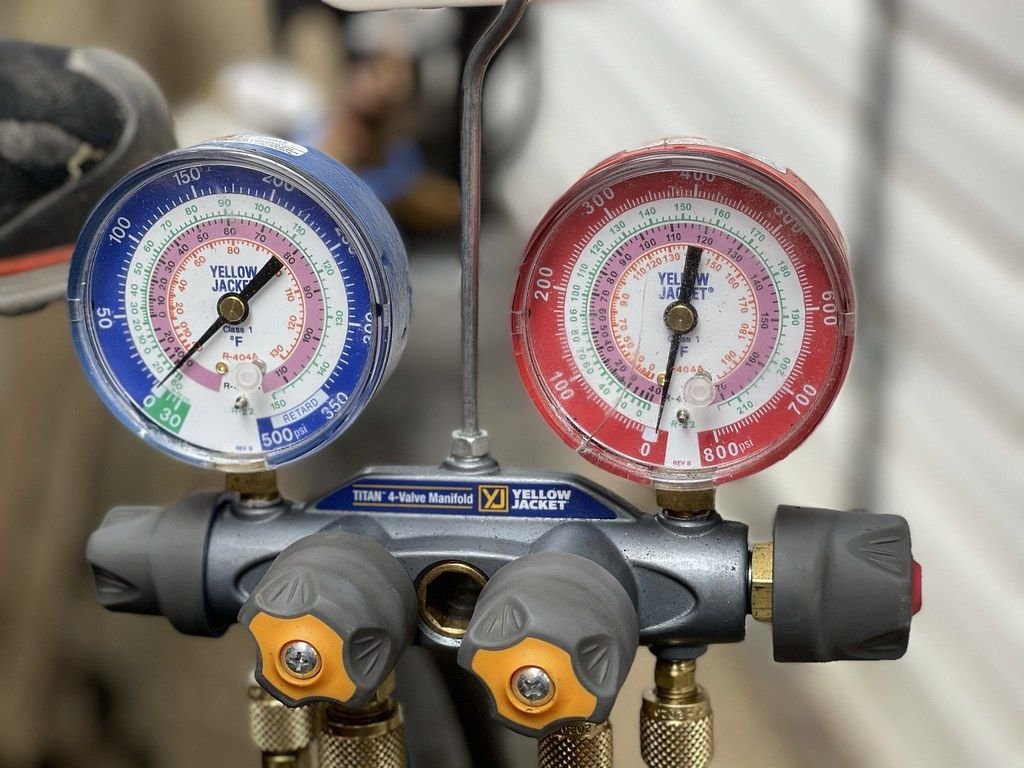
Shops find leaks three main ways: UV dye added to the system and traced with a blacklight, an electronic “sniffer” that detects refrigerant, and nitrogen pressure testing (sometimes with trace gas) that holds the system under pressure to watch for a drop. Small leaks may need dye and a return visit after a few days of driving. Ask whether the diagnostic fee is credited toward the repair.
2. The repair itself
The cost depends almost entirely on access. A leaking Schrader valve is a five-minute part swap. A leaking evaporator lives behind the dashboard, and on many cars the whole dash must be removed — that is why evaporator labor runs to a full day.
3. Evacuate and recharge: $150–$300 (R-134a) or $250–$600 (R-1234yf)
Any repair that opens the system means recovering what’s left, pulling a vacuum to boil off moisture, and recharging to the exact weight on the under-hood label. Most cars built in the last several years use R-1234yf, which costs far more per pound than older R-134a. If the system was opened or left empty for a while, the shop may also recommend a new receiver/drier or accumulator ($50–$200 parts).
Signs your car AC has a leak

- Air is cool but not cold, and it gets warmer over days or weeks.
- A recharge fixed it — temporarily. If it was cold in May and warm by July, there is a leak.
- Compressor clutch cycles on and off rapidly or doesn’t engage at all (low-pressure cutoff).
- Oily residue at fittings, hose crimps or on the condenser — refrigerant carries oil with it.
- A hissing sound from the dash after shutting the car off (possible evaporator leak).
- Musty or sweet chemical smell through the vents.
Why condensers and evaporators leak so often
The condenser sits right behind the grille, where stones, road salt and minor front-end impacts punch tiny holes in its thin aluminum tubes. Even a small fender-bender can crack it — if your AC failed after front-end damage, include the condenser in your body repair estimate or insurance claim. Evaporators corrode from the inside out because they are constantly wet with condensation; mold and debris speed that up.
Be careful with “AC stop leak”
Sealer cans can plug pinhole leaks in O-rings for a while, but they can also clog the expansion valve, orifice tube and condenser passages. Many shops test for sealant before connecting their recovery machines and may charge extra, or refuse the job, if they find it. On a car worth keeping, a proper repair is the cheaper path long-term.
DIY recharge kits: when they make sense
A $40–$70 R-134a recharge kit with a gauge can get an older car through a summer if the leak is very slow. But overcharging is easy and can damage the compressor, kits can’t remove moisture, and refrigerant you add just leaks out again. R-1234yf DIY cans are much more expensive, and many owners of newer cars find a professional service is better value. Federal rules also restrict releasing refrigerant and govern who can buy larger containers — another reason to leave real repairs to a certified shop.
Money-saving tip
Ask the shop to add UV dye whenever it recharges your system, even if no leak is found yet. If the AC goes warm again, the next diagnosis is quick and cheap because the dye already marks the leak.
How long does an AC leak repair take?
A valve, O-ring or service-port fix plus a recharge is usually a same-day job of 1–2 hours. Hoses and condensers typically take half a day, because the system must be recovered, opened, sealed, vacuumed for at least 30 minutes and recharged. An evaporator replacement can keep the car in the shop for one to two days on models where the dashboard comes out. If the shop uses dye to find a slow leak, plan for two visits: one to add dye and a second, a few days later, to trace it. Ask for the leak location and the repair plan in writing before you approve parts.
How to pay less for an AC leak repair
- Pay for a real leak test instead of repeated recharges. Two “quick” recharges cost as much as finding and fixing the leak.
- Start with the cheap suspects: service port caps and Schrader valves leak far more often than people think.
- Use an independent AC specialist. They usually have the equipment for both refrigerants and price below dealers.
- Consider aftermarket condensers on older cars — they are often half the price of OEM.
- For evaporator leaks, get two quotes: labor hours vary widely between shops and models.
- Check coverage. AC components are usually covered under factory bumper-to-bumper warranties and many comprehensive extended contracts. See are extended car warranties worth it?
When an AC leak repair isn’t worth it
A $300 hose or valve repair is worth doing on almost any car you plan to keep. An evaporator or compressor job on an older vehicle is a different question, especially in a mild climate. If the car is worth $4,000 and the AC quote is $2,200, add it to any other upcoming repairs and run the numbers in our Repair or Replace calculator. Our guide on whether it’s worth fixing an old car explains the 50% rule. If you do decide to shop, check the AC thoroughly on the test drive — see how to inspect a used car.
Super Car Digest · $14
The Used Car Buying Playbook
Big repair bill on an older car? Before you pay for it, run the numbers on replacing the car — and if you do switch, don’t overpay for the next one. Budget worksheet, 15-minute VIN screen, test-drive routine, word-for-word negotiation scripts and a 10-point contract check.
Frequently asked questions
How much does it cost to fix an AC leak in a car?
Most repairs cost $250–$1,200 including leak detection and the recharge. Small seal or valve leaks can be $150–$400; evaporator leaks often exceed $1,000. Estimates as of 2026.
How much does an AC leak test cost?
Typically $100–$250 for a dye, electronic or nitrogen test. Some shops credit it toward the repair.
Can I drive with an AC refrigerant leak?
Yes, it isn’t a safety issue for driving. But running the compressor on a low charge can starve it of oil and damage it, turning a cheap repair into an expensive one. Leave the AC off until it’s fixed.
How long does an AC recharge last if there’s a leak?
Anywhere from a few days to a few months, depending on the leak size. A properly sealed system should hold its charge for years.
Does car insurance cover an AC leak?
Not for wear or corrosion. If a collision or road debris damaged the condenser, it can be part of a collision or comprehensive claim.
Sources and methodology
Price ranges combine 2026 estimates from the RepairPal estimator for AC leak diagnosis, hoses, condensers, compressors and evaporators; refrigerant guidance from the U.S. EPA’s motor vehicle AC program; current parts pricing; and labor at typical 2026 shop rates ($100–$175/hr independent, $150–$250/hr dealer). These are estimates; your quote will vary by vehicle, refrigerant type and region.