Key takeaways
- No — gap insurance generally does not cover engine failure. It pays only the difference between your car’s value and your loan balance after a total loss or theft that your auto insurer pays.
- A mechanical breakdown is not a collision or comprehensive claim, so your insurer won’t total the car, and gap never comes into play.
- The exception: if the engine is destroyed by a covered event — flood, fire, collision — and the car is declared a total loss, gap can pay the remaining loan gap.
- What actually covers engine failure: the factory powertrain warranty, an extended warranty (vehicle service contract), or mechanical breakdown insurance.
- An engine replacement typically costs $4,000–$10,000+ in 2026, so knowing your coverage before it fails matters.
Does gap insurance cover engine failure? In almost every case, no. Gap insurance — guaranteed asset protection — is designed for one situation: your car is totaled or stolen, your auto insurer pays its actual cash value (ACV), and you still owe more on the loan or lease than that payout. Gap covers the difference. A blown engine, a spun bearing or a failed timing chain is a mechanical failure, not an insured loss, so your insurer doesn’t pay anything — and gap has nothing to top up. Here is exactly why, the one scenario where gap can help, and what you should look to instead.
📩 Important: after you sign up, open the email from Super Car Digest and tap Confirm. Your checklist opens right away. Not there? Check Spam or Promotions.
Why gap insurance doesn’t cover engine failure
Gap is a secondary coverage. It only pays after your primary auto insurance pays a total-loss claim. That chain breaks at the first link when an engine fails:
- Collision and comprehensive insurance cover sudden, accidental physical damage — crashes, theft, fire, flood, hail, falling objects. They exclude wear and tear and mechanical breakdown, according to standard policy language described by the Insurance Information Institute (III) and state insurance regulators.
- No covered claim means no total loss. Even if the repair costs more than the car is worth, your insurer won’t “total” a car for a mechanical failure.
- No total loss means no gap payout. Gap policies and gap waivers define the trigger as a total loss or unrecovered theft paid by your primary insurer.
Our guide to when gap insurance does not pay lists this and eight other common exclusions.
| What happened to the engine | Auto insurance pays? | Gap pays? |
|---|---|---|
| Wear, oil starvation, timing chain/belt failure, overheating from a failed part | ❌ No | ❌ No |
| Manufacturer defect | ❌ No (warranty or recall may) | ❌ No |
| Missed maintenance / neglect | ❌ No | ❌ No |
| Flood water hydrolocks the engine, car declared total loss | ✅ Usually, under comprehensive | ✅ Can pay the loan gap |
| Engine fire, car declared total loss | ✅ Usually, under comprehensive | ✅ Can pay the loan gap |
| Collision damages engine, car declared total loss | ✅ Under collision | ✅ Can pay the loan gap |
| Covered damage, but car is repairable | ✅ Pays the repair | ❌ No (no total loss) |
What does cover engine failure?
1. Factory powertrain warranty
Most new cars come with a powertrain warranty covering the engine, transmission and drive components — commonly 5 years/60,000 miles, and 10 years/100,000 miles for original owners at Hyundai, Kia and Genesis (shorter for later owners). Certified pre-owned programs often extend powertrain coverage too. Check your VIN with the manufacturer; coverage is usually transferable between owners within the limits.
2. Extended warranty (vehicle service contract)
A service contract from the manufacturer or a third-party provider pays for covered mechanical repairs after the factory warranty ends. Read the exclusions closely: pre-existing conditions, missing maintenance records and “wear” clauses are the usual reasons engine claims get denied. Costs and value vary widely — see are extended car warranties worth it? and the average monthly cost of an extended car warranty.
3. Mechanical breakdown insurance (MBI)
A handful of auto insurers, such as GEICO and Mercury in states where they offer it, sell mechanical breakdown insurance as an add-on to your policy. It works like a service contract but is a regulated insurance product, usually limited to newer, low-mileage cars, and often carries a per-repair deductible. If you’re buying gap through your insurer, ask whether MBI is available too.
4. Recalls, extended coverage and goodwill
Some engines with known defects get recall repairs or special extended warranties from the manufacturer. Search your VIN at NHTSA.gov and ask a dealer about technical service bulletins. Even out of warranty, manufacturers sometimes pay part of a repair as “goodwill” on a well-maintained car — it never hurts to ask.
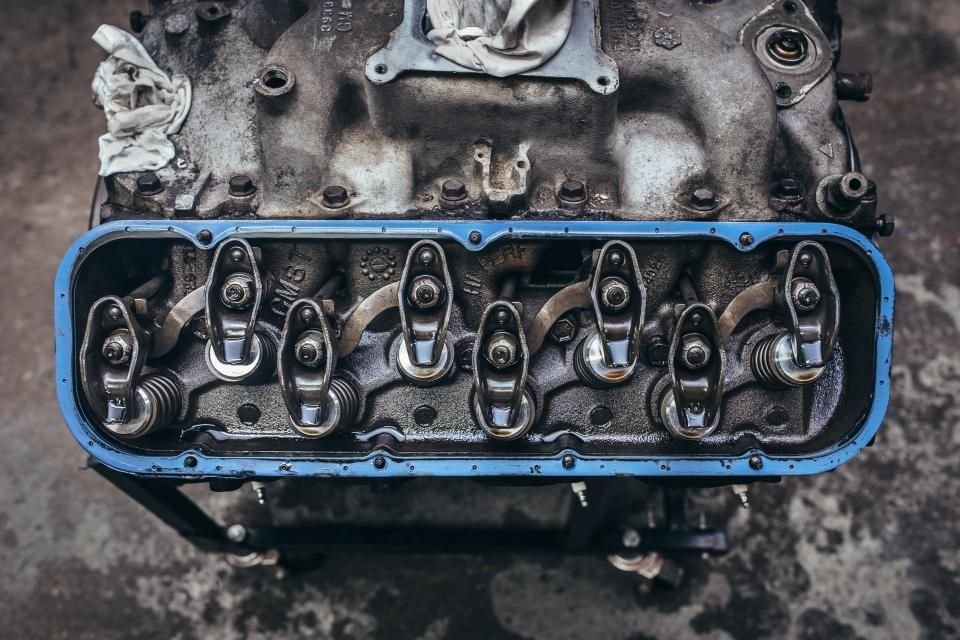
How much does engine failure cost to fix?
| Repair | Typical cost (2026) |
|---|---|
| Used engine, installed | $3,000–$6,000 |
| Remanufactured engine, installed | $4,000–$8,000 |
| New crate/OEM engine, installed | $6,000–$12,000+ |
| Engine rebuild (in-car or out) | $3,000–$7,000 |
| Head gasket repair | $1,200–$3,000 |
| Timing chain replacement | $1,000–$2,500 |
Your engine failed and you owe more than the car is worth: what now?
This is the situation people hope gap will solve. It won’t, but you still have options:

- Check every coverage first: powertrain warranty, service contract, MBI, recalls, and the dealer’s implied warranty or state lemon law if the car is new or just purchased.
- Get two repair quotes, including one for a used or remanufactured engine with a warranty. That is often the cheapest way to restore a car you still owe money on.
- Compare repair cost to the car’s repaired value. If the car is worth $14,000 with a working engine and you owe $16,000, a $5,000 engine may still be cheaper than walking away. Run the numbers in the Repair or Replace calculator.
- Selling as-is to a dealer, a car-buying site or a junkyard gets you something, but you must pay off the loan to transfer the title — any shortfall comes out of pocket.
- Trading in with negative equity rolls the leftover balance into the next loan. That is expensive, and most gap products won’t cover that rolled-in debt later — read does gap insurance cover negative equity? before signing.
Keep paying the loan
A dead engine doesn’t pause your auto loan. Missed payments add late fees, hurt your credit and can lead to repossession — and a repossessed car sold at auction usually leaves an even bigger deficiency balance. Call your lender early; some offer a short deferral.
Is gap insurance still worth having?
Yes, for the risk it’s designed for. If you put little money down, have a long loan or bought a fast-depreciating car, a total loss in the first few years can leave you owing thousands on a car you no longer have. Through your own insurer it’s inexpensive — see how much gap insurance costs. Just don’t buy it expecting protection against breakdowns. Estimate your own gap in a minute with our Gap Insurance Calculator.
Protect yourself before it fails
Keep every oil-change receipt. Warranty and service-contract providers routinely ask for maintenance records on engine claims, and missing records are one of the most common reasons claims are denied.
Super Car Digest · $14
The Used Car Buying Playbook
Engine gone and shopping for the next car? Don’t let a rushed purchase cost you twice. Budget worksheet, 15-minute VIN screen, test-drive routine, word-for-word negotiation scripts and a 10-point contract check that flags overpriced gap, warranties and add-ons.
Frequently asked questions
Does gap insurance cover a blown engine?
No. A blown engine is a mechanical failure, which auto insurance doesn’t cover, so there is no total-loss payout for gap to supplement.
Does gap insurance cover mechanical breakdown?
No. For breakdowns you need a factory warranty, an extended warranty (service contract) or mechanical breakdown insurance.
Will insurance total my car if the engine blows?
Not for a mechanical failure. Only damage from a covered event — such as a collision, flood or fire — can lead to a total-loss settlement.
Does gap insurance cover a flooded engine?
Indirectly, yes, if you have comprehensive coverage, the flood damage is covered, and the insurer declares the car a total loss. Gap then pays the difference between the settlement and your loan balance, subject to its limits.
Can I cancel gap insurance if my engine dies?
Yes. If you sell or trade the car and pay off the loan, you can usually cancel gap and get a prorated refund of unused coverage. Ask the provider in writing.
Sources and methodology
Coverage rules summarize standard U.S. policy terms as described by the Insurance Information Institute, the National Association of Insurance Commissioners (NAIC) and insurer product pages for gap and mechanical breakdown coverage. Engine repair ranges combine 2026 RepairPal estimates and supplier pricing. Policies vary by insurer and state; always read your own contract. Estimates as of 2026.