Key takeaways
- A brake master cylinder replacement typically costs $300–$700 installed at an independent shop, including a full brake bleed.
- Dealers with OEM parts usually charge $600–$1,200; integrated electric brake units on some hybrids and EVs can top $1,500–$3,000.
- The part itself is often only $50–$250. Most of the bill is labor for bench bleeding and bleeding the whole system — sometimes with a scan tool for the ABS.
- A sinking pedal is the classic symptom and a genuine safety problem. Don’t keep driving on it.
- Estimates as of 2026; prices depend on the car, the part (reman vs. new) and local labor rates ($100–$175/hr independent, $150–$250/hr dealer).
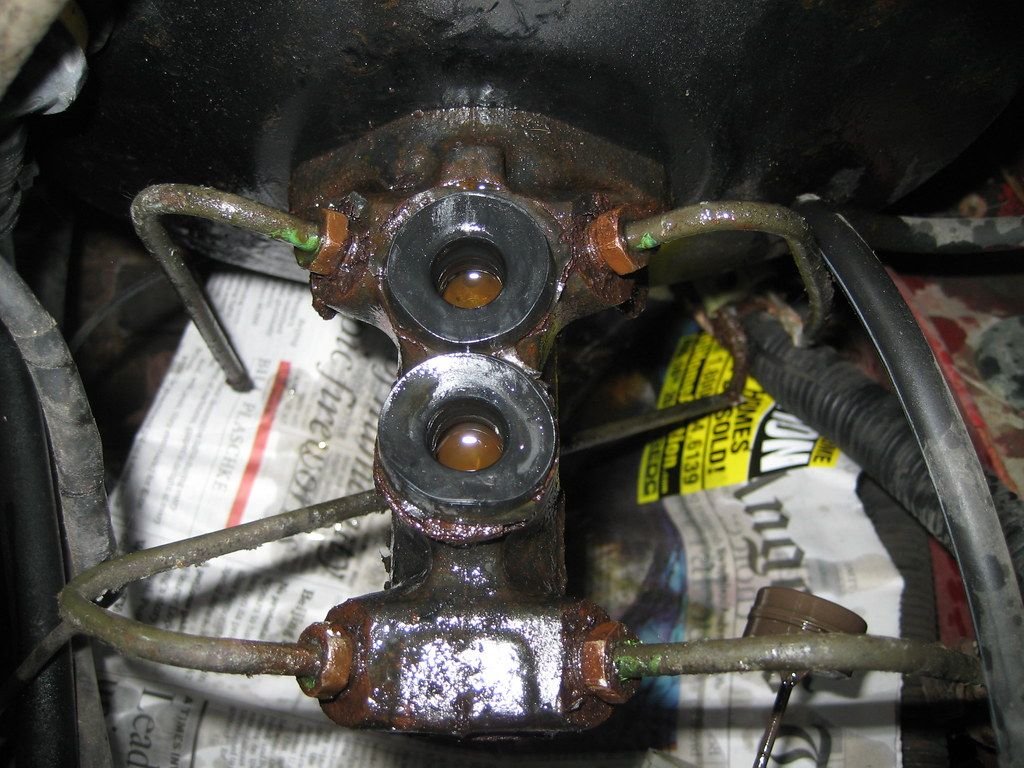
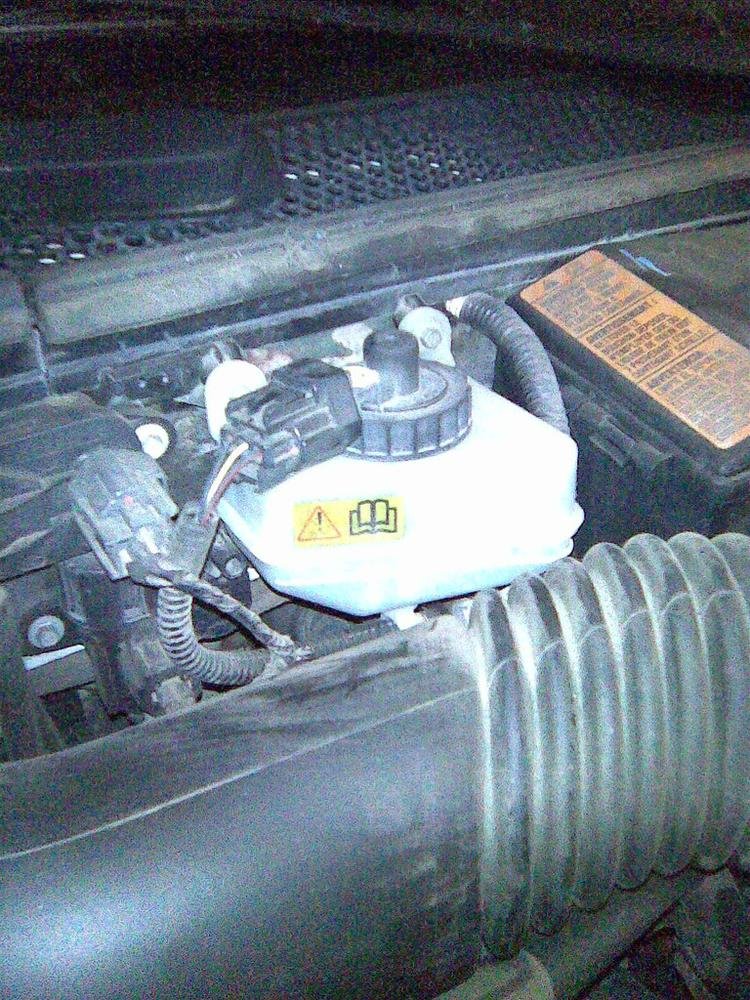
The brake master cylinder replacement cost for most cars in 2026 is between $300 and $700 at an independent repair shop, and roughly $600 to $1,200 at a dealership. The master cylinder is the hydraulic pump bolted to the brake booster under the hood: when you press the pedal, it pushes brake fluid out to all four wheels. When its internal seals wear, the pedal slowly sinks to the floor or feels spongy, and stopping power drops. Here is what you will pay, why bleeding the system is where the money goes, and how to tell a bad master cylinder from cheaper problems.
📩 Important: after you sign up, open the email from Super Car Digest and tap Confirm. Your checklist opens right away. Not there? Check Spam or Promotions.
Brake master cylinder replacement cost in 2026 at a glance
| Job | Parts | Labor | Typical total (independent shop) |
|---|---|---|---|
| Master cylinder, remanufactured or aftermarket new | $50–$150 | 1.5–2.5 hrs ($150–$400) | $300–$550 |
| Master cylinder, new OEM | $150–$400 | 1.5–2.5 hrs ($150–$400) | $400–$800 |
| ABS scan-tool bleed (when required) | — | 0.5–1 hr | +$75–$200 |
| Master cylinder + vacuum booster together | $150–$600 | 2.5–4 hrs | $600–$1,300 |
| Fluid reservoir only (cracked) | $20–$80 | 0.5–1 hr | $80–$250 |
| Integrated electric brake unit (some hybrids/EVs) | $800–$2,500 | 2–4 hrs + programming | $1,500–$3,000+ |
| Dealership, OEM parts | OEM | $150–$250/hr | $600–$1,200 |
RepairPal’s fair-price estimates for master cylinder replacement on popular cars generally sit in the mid-hundreds of dollars, with labor making up a large share. Independent shops using quality aftermarket parts can usually beat those figures; dealers rarely do.
Why labor is most of the bill
Swapping the part is quick: disconnect the brake lines, remove two nuts, unplug the fluid-level sensor. The time goes into getting every bit of air out of the system afterwards:
- Bench bleeding the new master cylinder before installation so it doesn’t push air into the lines.
- Bleeding all four wheels in the correct order, which uses a full bottle or two of fresh fluid — effectively a brake fluid flush included in the job.
- Cycling the ABS pump with a scan tool on many modern cars, so air trapped in the ABS module is purged.
Skipping or rushing any of these leaves a soft pedal — and a car that does not stop as it should.
What drives the price up or down
1. Part source
Aftermarket new and remanufactured master cylinders are common and inexpensive. New OEM parts cost more but are the safer bet on newer cars and models known for poor aftermarket fit.
2. ABS and stability control
If air got into the ABS hydraulic unit — common when the reservoir ran low — the shop needs a bidirectional scan tool to run a bleed routine. Expect $75–$200 extra.
3. Booster contamination
If the master cylinder’s rear seal leaked fluid into the vacuum booster, brake fluid can damage the booster diaphragm. In that case both parts should be replaced. See our brake booster replacement cost guide for that part of the bill.
4. Rusted lines
In salt-belt states, the steel brake line fittings at the master cylinder can be seized or round off. If a line breaks during removal, add a line repair — see brake line replacement cost.
Signs of a bad brake master cylinder
- Brake pedal slowly sinks to the floor while you hold steady pressure at a stop — fluid is bypassing worn internal seals.
- Spongy or soft pedal that doesn’t firm up even after bleeding.
- Fluid leaking where the master cylinder meets the booster, or wet paint below it.
- Brake warning light on the dash from a low reservoir.
- Dark, dirty or contaminated fluid in the reservoir — black particles can mean seals are breaking down.
- Uneven braking or the car pulling, because one hydraulic circuit isn’t applying properly.
A sinking pedal is not a “wait and see” problem
Modern master cylinders have two separate circuits, so a single failure rarely leaves you with zero brakes — but it can cut braking power roughly in half and dramatically lengthen your stopping distance. If the pedal goes lower than normal or sinks under steady pressure, have the car towed ($75–$150) rather than driving it.
Rule out cheaper causes first
A soft or low pedal does not always mean a new master cylinder. Ask the shop to check these first:
- Air in the lines after recent brake work — a bleed costs $60–$150.
- An external leak at a caliper, wheel cylinder or brake hose. If you have rear drums, a leaking wheel cylinder is common — see drum brake replacement cost.
- Badly out-of-adjustment rear drum brakes, which make the pedal travel further.
- Old, moisture-filled fluid that has boiled under heavy braking.
If there is no external leak and the reservoir level is stable but the pedal still sinks, the master cylinder is leaking internally — and that is when replacement is justified.
Money-saving tip
Because the job already includes bleeding all four wheels, you get the equivalent of a brake fluid flush “for free.” Don’t let a shop bill a separate flush on the same visit — ask for the bleed to be done with fresh fluid until it runs clean.
Can you replace a master cylinder yourself?
On older cars without complex ABS, it is a manageable DIY job for someone who has bled brakes before. You will need the part ($50–$250), a bench-bleed kit (often included), line wrenches, a turkey baster to empty the reservoir, fresh DOT fluid of the correct type, and a helper or one-person bleeder. Keep fluid off the paint — it strips it.
Leave it to a shop when the car requires a scan-tool ABS bleed, uses an integrated electric brake system, or has rusted line fittings. If the pedal isn’t firm and high after you finish, don’t drive it — tow it to a shop.
How to pay less without cutting corners
- Get a diagnosis in writing showing no external leaks before approving a master cylinder.
- Compare an independent and a dealer quote; savings of $200–$500 are common.
- Ask about warranty coverage. Master cylinders are often covered under bumper-to-bumper and many extended contracts. Read are extended car warranties worth it? before buying one for an older car.
- Bundle work. If pads, hoses or a booster are also due, doing them at the same time avoids paying for a second bleed.
- Change brake fluid every 2–3 years to make the new master cylinder last.
Is it worth fixing on an older car?
Yes, in almost every case. Brakes are non-negotiable, and a $500 master cylinder job is far cheaper than replacing a car. If the brake repair arrives alongside other big bills — suspension work, a coolant or oil leak, a tired transmission — add them up and test the decision in the Repair or Replace calculator, and read is it worth fixing an old car?
Super Car Digest · $14
The Used Car Buying Playbook
Big repair bill on an older car? Before you pay for it, run the numbers on replacing the car — and if you do switch, don’t overpay for the next one. Budget worksheet, 15-minute VIN screen, test-drive routine, word-for-word negotiation scripts and a 10-point contract check.
Frequently asked questions
How much does it cost to replace a brake master cylinder?
Usually $300–$700 at an independent shop, including bleeding, and $600–$1,200 at a dealer. Integrated electric brake units on some hybrids and EVs cost much more. Estimates as of 2026.
How long does it take to replace a master cylinder?
About 1.5–2.5 hours including bench bleeding and bleeding the system; add time for an ABS scan-tool bleed or seized line fittings.
How long does a brake master cylinder last?
Often 100,000 miles or more. Old, moisture-contaminated brake fluid is a leading cause of early seal wear.
Can I drive with a bad master cylinder?
It isn’t safe. Braking power may be sharply reduced and could get worse without warning. Tow the car to a shop.
Is a master cylinder covered by warranty?
Usually under the factory bumper-to-bumper warranty, and often under comprehensive extended service contracts. Powertrain-only warranties typically do not cover it.
Sources and methodology
Price ranges combine 2026 estimates from the RepairPal estimator, published labor-time guides, current retail pricing for aftermarket, remanufactured and OEM master cylinders, and labor at typical 2026 shop rates ($100–$175/hr independent, $150–$250/hr dealer; AAA has reported national averages around $140/hr). These are estimates; your quote will vary by vehicle, region and brake system design.