Key takeaways
- A vacuum brake booster replacement typically costs $350–$900 installed at an independent shop, and $700–$1,400 at a dealer with an OEM part.
- Hydraulic (hydro-boost) units on heavy trucks and some diesels run $500–$1,300; electric boosters on many hybrids and EVs can reach $1,200–$2,500+.
- Before you buy a booster, rule out the cheap fixes: a cracked vacuum hose or failed check valve costs $50–$200 and causes the same hard pedal.
- A failed booster does not stop the brakes from working, but it makes the pedal very hard and adds stopping distance — fix it promptly.
- Estimates as of 2026; your price depends on the car, the part (reman vs. new) and local labor rates ($100–$175/hr independent, $150–$250/hr dealer).
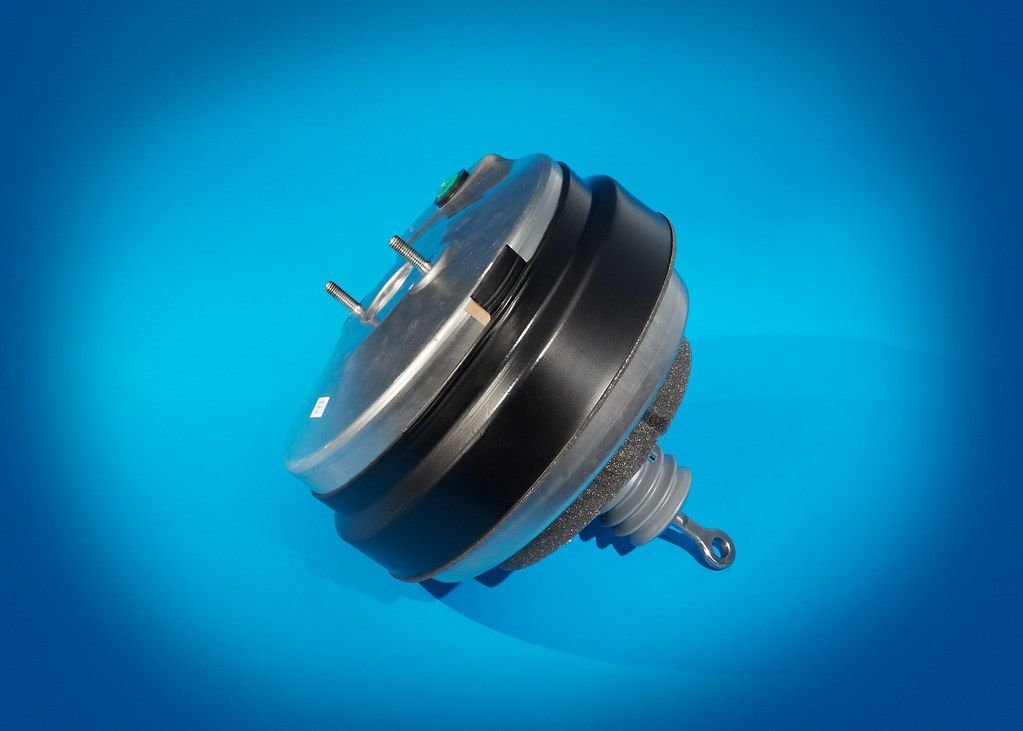
The brake booster replacement cost for most cars and light trucks in 2026 is roughly $350 to $900 at an independent shop, with dealer prices and some hard-to-reach designs running past $1,000. The booster is the large round canister (or, on some vehicles, a hydraulic or electric unit) mounted between the brake pedal and the master cylinder. It multiplies the force of your foot so a normal push stops a 4,000-pound car. When it fails, the pedal turns rock-hard and the car takes longer to stop. This guide covers what you will pay, how to confirm the booster is really the problem, and how to avoid paying for a part you do not need.
📩 Important: after you sign up, open the email from Super Car Digest and tap Confirm. Your checklist opens right away. Not there? Check Spam or Promotions.
Brake booster replacement cost in 2026 at a glance
| Job | Parts | Labor | Typical total (independent shop) |
|---|---|---|---|
| Vacuum booster, remanufactured | $90–$250 | 1.5–3 hrs ($150–$500) | $350–$700 |
| Vacuum booster, new OEM | $250–$600 | 1.5–3 hrs ($150–$500) | $500–$1,000 |
| Hydraulic booster (hydro-boost) | $150–$600 | 1.5–3 hrs | $500–$1,300 |
| Electric brake booster (hybrids, EVs, some newer cars) | $700–$1,800+ | 2–4 hrs + programming | $1,200–$2,500+ |
| Booster check valve only | $10–$40 | 0.3–0.5 hr | $50–$150 |
| Vacuum hose replacement | $15–$60 | 0.3–1 hr | $60–$200 |
| Engine-driven vacuum pump (diesels, some turbo engines) | $150–$600 | 1–3 hrs | $300–$1,000 |
| Dealership, OEM vacuum booster | OEM | $150–$250/hr | $700–$1,400 |
RepairPal’s fair-price estimates for a vacuum booster on common sedans and SUVs have generally landed in the $600–$900 range, assuming OEM-level parts and shop labor. Independent shops using quality remanufactured boosters often come in lower, especially on vehicles where the booster unbolts easily from the firewall.
What drives the price up or down
1. Type of booster
Most gasoline cars use a vacuum booster that draws vacuum from the intake manifold. Heavy-duty pickups and many diesels use a hydro-boost unit powered by the power-steering pump. A growing number of hybrids, EVs and newer gas cars use an electric brake booster (sometimes combined with the master cylinder and ABS in one assembly). Electric units are the most expensive to replace and often need a dealer-level scan tool to calibrate afterwards.
2. Access
On some vehicles the booster comes out in an hour: unbolt the master cylinder, disconnect the pedal pushrod under the dash, remove four nuts. On others the wiper cowl, intake parts, or even the steering column must come out first. That is why labor quotes range from 1.5 to more than 4 hours for what sounds like the same part.
3. Whether the master cylinder needs to come off the lines
Many shops can slide the master cylinder forward without opening the brake lines, which saves a bleed. If they must disconnect the lines, add a brake fluid bleed or flush ($60–$150). If the master cylinder’s rear seal has been leaking fluid into the booster, it should be replaced at the same time — see our brake master cylinder replacement cost guide.
4. Reman vs. new
Remanufactured vacuum boosters are widely available and usually carry a long warranty. New OEM parts cost two to three times as much. For a daily driver more than five years old, a reman unit is normally the sensible choice.
Signs of a bad brake booster
- Hard, stiff brake pedal that needs much more effort than usual — the classic symptom.
- Longer stopping distances even though the pads and rotors are fine.
- A hissing sound from under the dash when you press or release the pedal (a torn diaphragm leaking vacuum).
- Engine idle drops, stumbles or stalls when you brake — the leaking booster is acting as a big vacuum leak.
- Pedal sits higher than normal or slowly returns.
- Check engine light with lean or vacuum-leak codes on some cars.
- On electric boosters: a brake system warning message and reduced assist.
How to test a vacuum brake booster at home
This two-minute check costs nothing and tells you a lot before you visit a shop:
- With the engine off, pump the brake pedal 5–6 times to use up any stored vacuum. The pedal should become firm.
- Hold moderate pressure on the pedal and start the engine. A healthy booster makes the pedal drop slightly under your foot as vacuum builds.
- Let the engine run a minute, shut it off, wait 30 seconds and press the pedal. You should still get one or two assisted presses. If the pedal is hard immediately, the check valve or booster is not holding vacuum.
- With the engine idling, listen near the pedal while pressing it. A hiss points to a leaking diaphragm.
Check the $20 parts first
Pull the large vacuum hose off the booster with the engine idling — you should feel strong suction. If suction is weak, the problem is the hose or the one-way check valve, not the booster. Replacing those usually costs $50–$200 at a shop, versus $350+ for the booster. On diesels and some turbocharged engines, a failing vacuum pump can also mimic a bad booster.
Is it safe to drive with a bad brake booster?
Your brakes still work hydraulically without the booster, but you may need two or three times the pedal force to stop, and in a panic stop many drivers cannot push hard enough. Older drivers and anyone with limited leg strength are especially at risk. Drive only gently to a shop, leave extra distance, and avoid highways.
If the pedal sinks rather than gets hard
A hard pedal usually means the booster or its vacuum supply. A soft or sinking pedal usually means a hydraulic problem — air in the lines, a leak, or a failing master cylinder. That is more dangerous. Stop driving and have it towed.
Can you replace a brake booster yourself?
On many older cars and trucks, yes. You will need basic hand tools, possibly a flare-nut wrench, and patience working upside down under the dash to disconnect the pushrod from the pedal. A reman booster costs $90–$250 at a parts store. The critical details: set the pushrod length correctly (too long and the brakes drag; too short and the pedal travel is excessive), and bleed the brakes if you opened any lines.
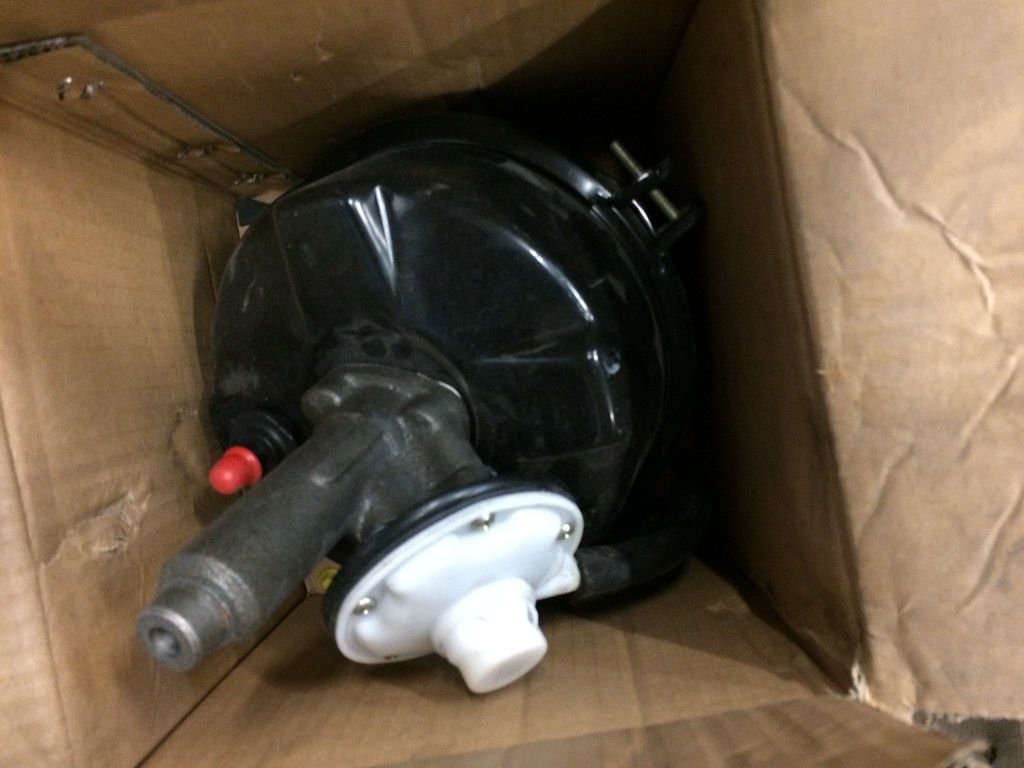
Leave it to a shop if your car has an electric booster, an integrated brake module, or a booster that requires removing major components. Also leave it to a pro if you are not confident bleeding brakes on an ABS-equipped car.
How to pay less without cutting corners
- Do the home test above and ask the shop to show you the vacuum reading before they replace the booster.
- Replace the check valve and hose first if they are original — cheap, and often the actual fix.
- Ask for a remanufactured booster with a lifetime warranty.
- Get an independent quote. Dealer labor rates can push the same job $300–$500 higher.
- Check your warranty. Boosters are often covered under bumper-to-bumper and some extended warranties — see are extended car warranties worth it?
- Bundle brake work. If the master cylinder is leaking or the fluid is old, doing it all at once saves a second round of labor and bleeding.
Is it worth fixing on an older car?
Almost always — a $500 booster is small money to keep a car with good brakes on the road. The math changes only when the booster is one of several big bills at once, such as an oil leak, suspension work and a transmission problem. Add up every repair and compare it with what the car is worth in the Repair or Replace calculator, and read is it worth fixing an old car?
Super Car Digest · $14
The Used Car Buying Playbook
Big repair bill on an older car? Before you pay for it, run the numbers on replacing the car — and if you do switch, don’t overpay for the next one. Budget worksheet, 15-minute VIN screen, test-drive routine, word-for-word negotiation scripts and a 10-point contract check.
Frequently asked questions
How much does it cost to replace a brake booster?
For most cars with a vacuum booster, $350–$900 at an independent shop and $700–$1,400 at a dealer. Hydraulic and electric boosters cost more. Estimates as of 2026.
How long does it take to replace a brake booster?
Usually 1.5–3 hours of labor. Vehicles with tight engine bays or electric boosters that need calibration can take 4 hours or more.
How long does a brake booster last?
Many last the life of the car — 150,000 miles or more. Failures usually come from a torn diaphragm, a leaking master cylinder seal contaminating it with fluid, or a cracked vacuum hose.
Can a bad brake booster cause the engine to stall?
Yes. A torn diaphragm creates a large vacuum leak when you press the pedal, which can make the idle drop, run rough or stall, especially at stops.
Should the master cylinder be replaced with the booster?
Only if it is leaking or failing. If brake fluid has been leaking from the back of the master cylinder into the booster, replace both; otherwise the original master cylinder can usually be reused.
Does insurance cover a brake booster?
No — auto insurance does not cover wear or mechanical failure. A factory warranty, extended warranty or mechanical breakdown policy may.
Sources and methodology
Price ranges combine 2026 estimates from the RepairPal estimator, published labor-time guides, current retail pricing for remanufactured and OEM boosters, and labor at typical 2026 shop rates ($100–$175/hr independent, $150–$250/hr dealer; AAA has reported national averages around $140/hr). These are estimates; your quote will vary by vehicle, region and booster type.