Key takeaways
- Paintless dent repair (PDR) for a small door ding typically costs $125–$250; a 4–8 inch dent $350–$700, if the paint is not cracked.
- Traditional body-shop repair (fill, sand, paint) usually costs $300–$1,500+ per panel; replacing a badly damaged panel can be more.
- Hail damage car repair cost commonly runs $2,500–$6,000 for moderate damage and $6,000–$15,000+ for severe full-vehicle damage.
- Hail is covered by comprehensive insurance after your deductible; collision does not cover hail.
- Estimates as of 2026; size, location on the panel and whether the paint is broken matter far more than the car’s brand.
The car dent repair cost you will pay in 2026 ranges from about $125 for a small door ding fixed with paintless dent repair to well over $1,000 for a creased panel that needs filling and repainting — and into the thousands when hail hits the whole car. The single most important question is whether the paint is intact. If it is, a skilled PDR technician can usually massage the metal back from behind without any paint work, which is faster and much cheaper. Here is what each kind of dent costs, how hail claims work, and how to avoid paying body-shop prices for a PDR job.
📩 Important: after you sign up, open the email from Super Car Digest and tap Confirm. Your checklist opens right away. Not there? Check Spam or Promotions.
Car dent repair cost in 2026 at a glance
| Damage | Paintless dent repair (PDR) | Body shop (fill + paint) |
|---|---|---|
| Small door ding (under 1 inch) | $125–$200 | $250–$500 |
| 1–3 inch dent | $150–$400 | $300–$700 |
| 4–8 inch dent | $350–$700 | $500–$1,000 |
| Dent on a body line or crease | $600–$1,500+ (if possible at all) | $600–$1,500+ |
| Several dents on one panel | $300–$1,200+ | $500–$1,500 |
| Bumper dent (plastic) | Heat/push repair $150–$400 | Repair + paint $300–$800; new cover $500–$1,500+ |
| Dent with cracked or chipped paint | Not suitable | $400–$1,500+ per panel |
Paintless dent repair vs. traditional body work
Paintless dent repair uses rods and specialized tools pushed against the back of the panel (or glue tabs pulled from the front) to reshape the metal. There is no filler, sanding or paint, so the factory finish — and its value on a history report — is preserved. Most small and medium dents are done in under two hours, often by a mobile tech in your driveway.
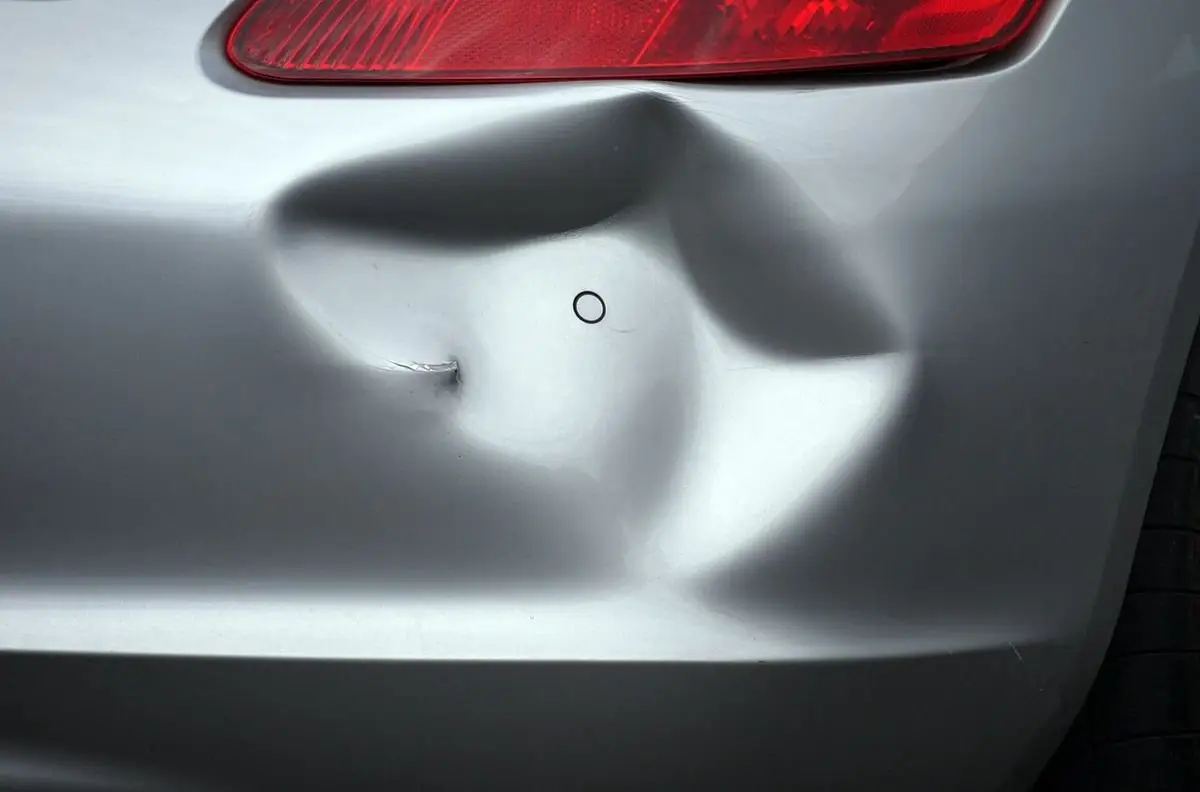

Traditional repair is needed when the paint is cracked or chipped, the metal is stretched, the dent is on a sharp edge, or the tech cannot reach behind the panel. The shop pulls the dent as much as possible, applies filler, sands, primes, paints and often blends into the neighboring panel. It takes one to several days and costs more because of paint materials and labor. If the dent also has scratches through the paint, see our car scratch repair cost guide for refinishing prices.
Get a PDR quote first
Many body shops will quote fill-and-paint for a dent that a PDR tech could fix for half the price. If the paint is unbroken, always get a PDR estimate before booking body work — many techs quote free from photos.
What affects dent repair cost
- Size and depth. Price climbs quickly once a dent passes about 3 inches or becomes sharp and deep.
- Location. Dents on body lines, panel edges, roof rails or behind braces are harder to reach and cost more.
- Panel material. Aluminum is stiffer and less forgiving than steel; expect a premium of roughly 20–50% for PDR on aluminum.
- Paint condition. Broken paint rules out PDR and means body-shop pricing.
- Access. If a headliner, tail light or door trim panel must come off, labor goes up.
- Local rates. Body-shop labor and PDR prices are higher in big metros and after hail storms, when demand spikes.
Hail damage car repair cost
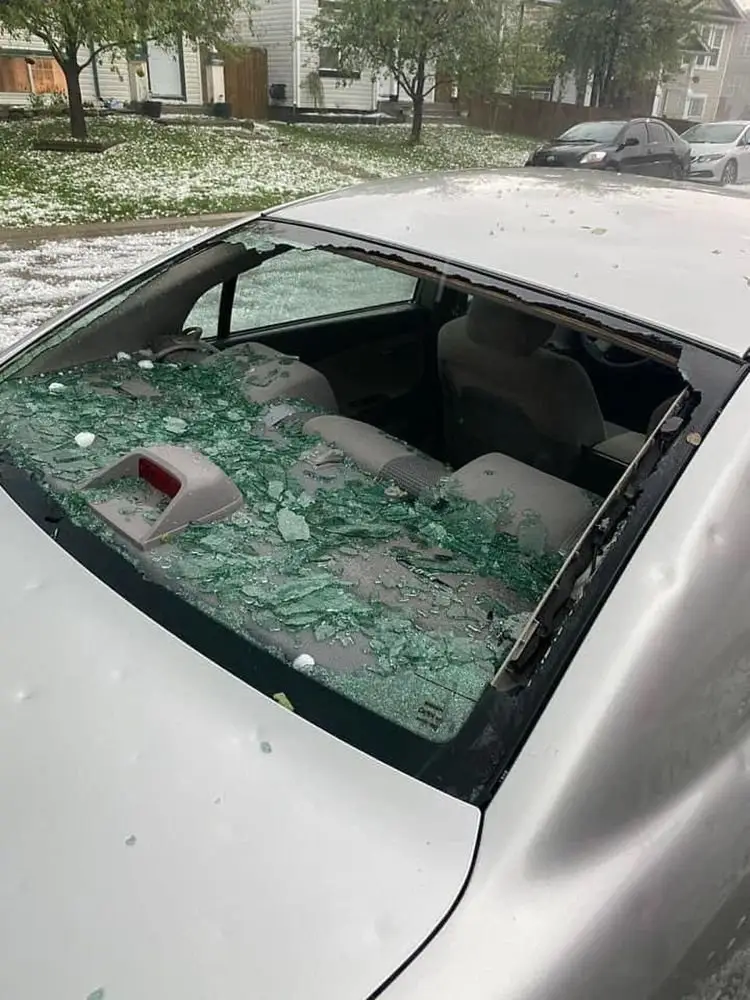
Hail is priced differently from a single dent. Repairers count dents per panel, by size, and use matrix pricing. Typical 2026 ranges from published PDR and hail-repair guides:

| Hail damage level | Typical repair cost |
|---|---|
| Light (scattered small dents on hood/roof) | $1,000–$2,500 |
| Moderate (dents on most horizontal panels) | $2,500–$6,000 |
| Severe (whole vehicle, large dents, some paint damage) | $6,000–$15,000+ |
| Add: windshield replacement | $300–$1,000+ (plus $100–$300 for camera recalibration on cars with driver-assist systems) |
| Add: roof panel replacement (if dents too dense) | $1,500–$4,000+ |
How hail claims work
- Check you have comprehensive coverage. Liability-only and collision-only policies do not pay for hail.
- Photograph the damage in angled light before washing or driving far, and note the storm date.
- File promptly. Insurers often set up drive-through hail inspection centers after big storms.
- Expect to pay your deductible (commonly $500–$1,000). If the repair is below it, the claim pays nothing.
- Choose a reputable PDR shop. You generally have the right to pick your repairer. Be wary of out-of-state “storm chasers” who offer to “cover your deductible” — in many states that is illegal and can void the claim.
Keeping the insurance check?
If the car is financed or leased, the lender is usually on the check and expects the repair. If you own it outright and skip the repair, your insurer may exclude existing hail damage from future claims, and the dents will lower trade-in value. A car with a large unrepaired hail claim can also end up with a branded title in some states if it is totaled.
Can you fix a dent yourself?
Consumer kits — suction cups, glue-pull tabs, a $30–$80 slide hammer — can improve shallow, round dents on flat panels. Hot water or a hair dryer can pop out some plastic bumper dents. But DIY often leaves high spots or cracks the paint, which turns a $200 PDR job into a $700 paint job. Our advice: try only on a shallow, smooth dent with no crease, on an older car where perfection does not matter.
How to pay less for dent repair
- Use PDR whenever the paint is intact. It is usually the cheapest option and keeps factory paint.
- Get two quotes from photos, from a PDR specialist and a body shop.
- Bundle several dings in one visit. Most techs discount the second and third dent.
- Pay cash for repairs under your deductible rather than filing a claim that pays nothing.
- Raise or review your deductible if you live in hail country (Texas, Colorado, Nebraska, Kansas and Oklahoma see frequent storms) — a lower comprehensive deductible may be worth a few dollars a month.
- Do not over-repair an old car. On a car worth $4,000, cosmetic dents rarely deserve a $2,000 repair. Check the numbers with the Repair or Replace calculator.
Shopping for a used car? Ripples in reflections, mismatched paint and wavy panels are clues to past bodywork or hail. Our step-by-step used car inspection shows what to look for, and a car with repaired hail damage should be priced below a clean one — use it in your offer with the scripts in how to negotiate a used car price.
Super Car Digest · $14
The Used Car Buying Playbook
Big repair bill on an older car? Before you pay for it, run the numbers on replacing the car — and if you do switch, don’t overpay for the next one. Budget worksheet, 15-minute VIN screen, test-drive routine, word-for-word negotiation scripts and a 10-point contract check.
Frequently asked questions
How much does it cost to fix a small dent in a car?
With paintless dent repair, a small ding usually costs $125–$250. If the paint is damaged and a body shop must fill and paint it, expect $250–$700. Estimates as of 2026.
Is paintless dent repair worth it?
Yes, when the paint is unbroken. It is usually cheaper and faster than body work and keeps the original factory finish, which helps resale value.
Does insurance cover dents?
Hail, falling objects and vandalism are covered by comprehensive; dents from a collision with another car or object are covered by collision. In both cases you pay the deductible first.
How much does hail damage repair cost without insurance?
Commonly $1,000–$2,500 for light damage, $2,500–$6,000 for moderate and $6,000–$15,000+ for severe damage, depending on the number and size of dents and whether glass or the roof panel must be replaced.
Will my insurance rates go up after a hail claim?
Comprehensive claims for weather are generally treated as not-at-fault, so a single hail claim often has little effect, but insurers and states differ, and area-wide storm losses can raise rates for everyone.
Sources and methodology
PDR and hail ranges draw on 2026 price guides summarized by ThePricer (citing State Farm, Progressive and PDR providers); coverage and deductible rules follow MoneyGeek’s hail coverage guide. Body-shop ranges reflect typical 2026 labor and paint-material costs. All figures are estimates; quotes vary by panel material, damage and region.