Key takeaways
- Clear-coat scratches (the ones your fingernail does not catch) can often be polished out for $0–$50 DIY or $150–$400 at a detailer or body shop.
- Scratches into the color coat or primer need touch-up or a spot repair: $250–$600 per area at an independent shop.
- Deep scratches to bare metal or a keyed panel usually mean refinishing the whole panel: $400–$1,000+ per panel, more for tri-coat or pearl paint.
- A car keyed down one whole side can run $1,500–$3,000+ — that is when a comprehensive insurance claim starts to make sense.
- Estimates as of 2026; body-shop labor rates and paint type move the price more than anything else.
Your car scratch repair cost depends almost entirely on one thing: how many layers of paint the scratch went through. A light scuff in the clear coat can disappear with $20 of polish and an afternoon. A scratch down to bare metal on a door means sanding, priming, color-matching and blending into the next panel — and a bill of several hundred dollars or more. Below are realistic 2026 price ranges for each type of scratch, how to tell which one you have in 30 seconds, and how to decide between DIY, a mobile repair tech, a body shop and an insurance claim.
📩 Important: after you sign up, open the email from Super Car Digest and tap Confirm. Your checklist opens right away. Not there? Check Spam or Promotions.
Car scratch repair cost in 2026 at a glance
| Type of scratch | DIY cost | Detailer / mobile tech | Body shop |
|---|---|---|---|
| Light clear-coat scuff or swirl | $10–$50 (polish, pads) | $100–$250 | $150–$400 |
| Scratch into the color (base) coat, small | $20–$60 (OEM touch-up kit) | $150–$350 | $250–$600 |
| Scratch to primer, one area | $40–$100 (kit + sanding) | $200–$450 | $300–$700 |
| Deep scratch to bare metal, one panel | Not recommended | $250–$500 (smart repair, small areas) | $400–$1,000+ |
| Bumper scratch / scuff (plastic) | $20–$80 | $150–$400 | $300–$800 |
| Keyed car, one full side (2–3 panels) | — | — | $1,200–$3,000+ |
| Tri-coat, pearl or matte paint | Hard to match | Limited | +25–50% |
How deep is your scratch? The fingernail test
Car paint is built in layers: clear coat on top, base (color) coat under it, then primer, then the metal or plastic panel. Wash and dry the area, then gently run a fingernail across the scratch:
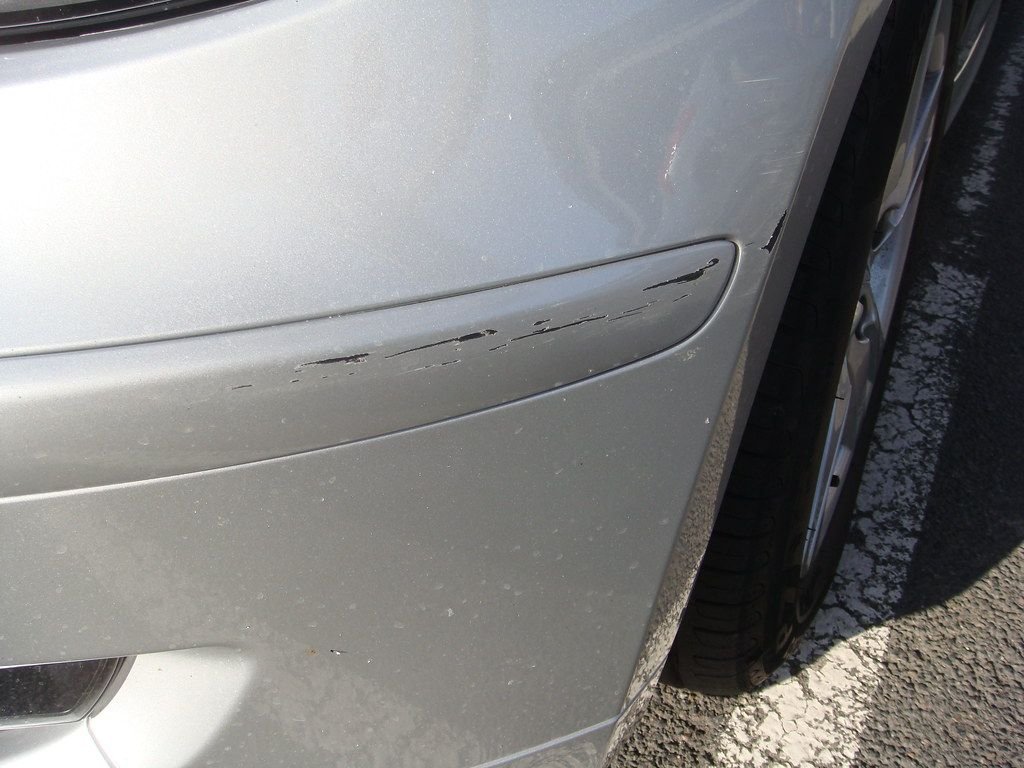
- Nail does not catch, scratch looks white or hazy — clear coat only. Usually polishable.
- Nail catches slightly, color still visible in the groove — into the base coat. Touch-up or spot repair.
- You see light gray or white material — primer. Needs paint, not polish.
- You see shiny metal, or rust is starting — bare metal. Fix soon, before corrosion spreads under the surrounding paint.
Check for paint transfer first
Many “scratches” from parking lots are actually paint or rubber transferred from another car or a pole. A clay bar or a dab of polishing compound on a microfiber cloth ($10–$20) often removes them completely. Try this before you pay anyone.
What affects the price
1. Depth and length
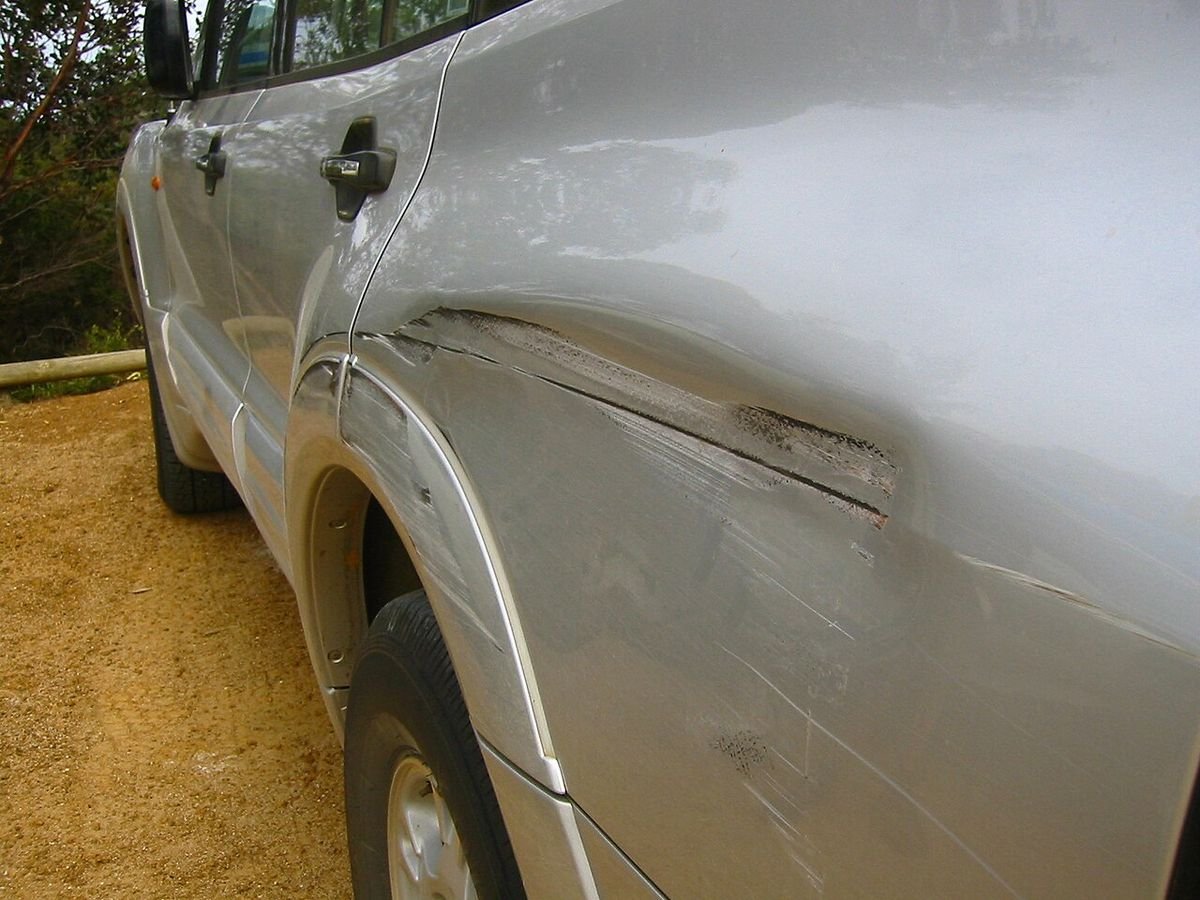
Depth decides the method; length decides how much of the panel must be refinished. A 2-inch scratch to primer can be spot-repaired. A 20-inch scratch across a door generally means refinishing the whole door, because a body shop cannot invisibly blend a repair that large.

2. Blending into neighboring panels
To make new paint match old, faded paint, shops often “blend” color into the adjacent panel (for example, the fender next to a repainted door). That can add $150–$400 per blended panel. It is normal, not an upsell — but ask for it to be itemized.
3. Paint type and color
Solid white, black and silver are the cheapest to match. Metallic paints cost more. Tri-coat pearls (common on Lexus, Toyota, Mazda and many luxury models) and matte finishes can add 25–50% because they need extra layers and more skill to match.
4. Plastic bumper vs. metal panel
Bumper covers are where most scratches live. They need flex additive in the paint and sometimes plastic repair, but they do not rust. Many mobile “smart repair” techs specialize in bumper scuffs and are often cheaper than a body shop for small areas.
5. Who does it, and where
Independent body shops typically charge $50–$100+ per hour for body labor plus paint materials; dealer-affiliated shops and metro areas sit at the top of that range. A mobile tech has lower overhead but is limited to small areas.
DIY scratch repair: what works and what does not
Works well: polishing compound (by hand or with a dual-action polisher) for clear-coat scratches and swirls; OEM touch-up paint ordered by your car’s paint code (on the door-jamb sticker) for small chips and thin scratches into the color coat. A complete DIY kit — compound, touch-up paint, clear coat, fine sandpaper and applicators — usually runs $40–$100.
Does not work well: “magic” scratch-remover pens and generic colored waxes on anything deeper than the clear coat; they fill the groove temporarily and wash out. Aggressive sanding by beginners is the most common way a $200 repair becomes a $700 one, because sanding through the clear coat on the surrounding area means the whole panel now needs paint.
Rule of thumb: if your fingernail catches and the scratch is longer than a few inches, get a quote before you touch it with sandpaper.
Should you claim scratches on insurance?
Vandalism such as keying is normally covered by comprehensive coverage; a scratch from hitting something while driving falls under collision. Either way, you pay your deductible first, usually $500–$1,000. That means:
- Repair under about $1,000: pay out of pocket. The claim saves you little and may affect your premium at renewal.
- Keyed along a whole side ($1,500–$3,000+): a comprehensive claim often makes sense. File a police report for vandalism; insurers commonly ask for one.
- Leased car: check your lease’s wear-and-tear guide (and if you lease used, see can you lease a used car?). Many leases tolerate scratches under a set length (often around 2 inches) that do not go through the paint; deeper damage is billed at turn-in, often at dealer body-shop rates.
How to pay less for scratch repair
- Try polish and clay first. A surprising share of scratches are clear-coat only or paint transfer.
- Get at least two quotes, including one from a mobile smart-repair tech for small areas and bumpers.
- Ask about spot repair vs. full panel. If a spot repair will be close to invisible, it is much cheaper.
- Bundle repairs. If a door is already being painted for a dent, fixing a scratch on the same panel adds little. (Dent removal itself is often cheaper than you think — paintless dent repair starts around $100–$250 for a small ding; see our car dent repair cost guide.)
- Fix bare-metal scratches quickly. Rust under the paint turns a $500 repair into bodywork.
- Selling soon? Small cosmetic scratches rarely change trade-in value by more than the repair cost. Polish what you can, and leave major refinishing to the buyer’s negotiation. Buyers do the same in reverse — see how to negotiate a used car price.
Buying a used car? Read the paint
Fresh paint on one panel, overspray on rubber trim, or a color that looks slightly different in sunlight usually means bodywork. That is not always a deal-breaker, but it should match the history report. Our used car inspection guide shows how to check with a magnet and a flashlight.
Super Car Digest · $14
The Used Car Buying Playbook
Big repair bill on an older car? Before you pay for it, run the numbers on replacing the car — and if you do switch, don’t overpay for the next one. Budget worksheet, 15-minute VIN screen, test-drive routine, word-for-word negotiation scripts and a 10-point contract check.
Frequently asked questions
How much does it cost to fix a small scratch on a car?
If it is in the clear coat, $0–$50 DIY or $100–$250 at a detailer. If it is into the color coat, $150–$600 depending on size and who does it. Estimates as of 2026.
How much does it cost to fix a keyed car?
One keyed panel is typically $400–$1,000+ to refinish. A full side (two to three panels, plus blending) commonly reaches $1,200–$3,000 or more, which is why many owners use comprehensive coverage for vandalism.
Can a deep scratch be buffed out?
No. Buffing removes a thin layer of clear coat to level it. If the scratch goes into the color coat or deeper, it needs paint.
Does touch-up paint really match?
OEM touch-up paint ordered by paint code matches well on small chips and thin lines. On larger areas or faded paint, the difference shows, which is why body shops blend.
How long does professional scratch repair take?
A spot or bumper repair is often same-day. A full-panel refinish usually takes 1–3 days, including paint curing time.
Sources and methodology
Ranges are 2026 estimates compiled from published body-shop and detailing price guides, current retail prices for OEM touch-up kits and polishing supplies, and typical body-shop labor rates. Insurance guidance reflects standard US comprehensive and collision coverage as described by MoneyGeek and major insurers; repair method guidance follows Chase Auto’s scratch repair guide. Your quote will vary by paint type, damage size and region.