Key takeaways
- One brake caliper typically costs $250–$600 installed at an independent shop with a remanufactured part, and $500–$1,500 with OEM parts or at a dealer (RepairPal’s national range).
- Calipers are usually replaced in pairs on the same axle, so a realistic bill is $450–$1,100 for two, plus a brake fluid bleed.
- Most shops will also want pads (and often rotors) on that axle at the same time — that adds $150–$400.
- A sticking caliper is a safety and money problem: it overheats the brake, wears out pads and rotors in weeks, and hurts fuel economy.
- Estimates as of 2026; your price depends on the car, the parts brand and your local labor rate ($100–$175/hr independent, $150–$250/hr dealer).
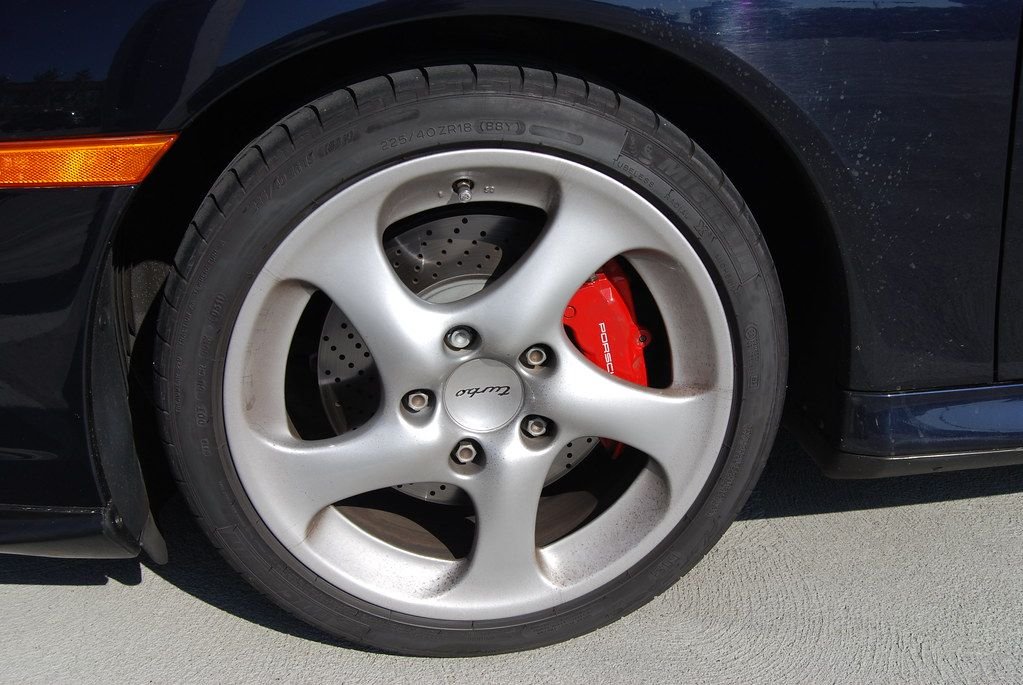
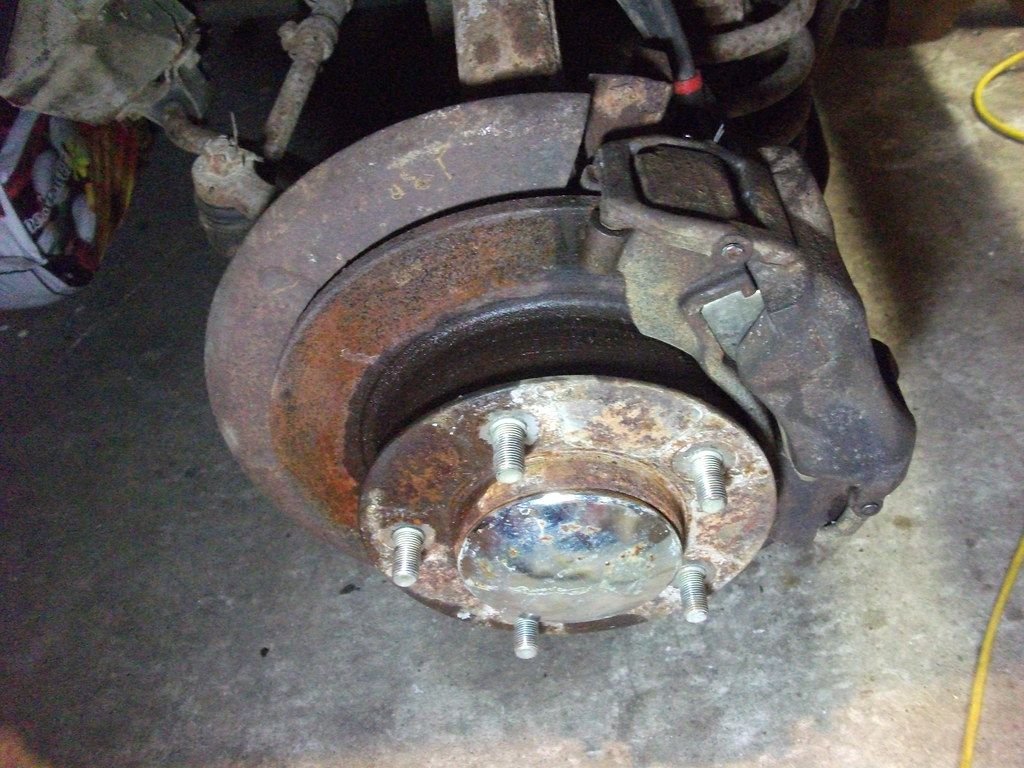
The brake caliper replacement cost for most cars in 2026 is $250 to $600 per caliper at an independent shop, and closer to $500 to $1,500 when you use OEM parts or a dealership. The caliper is the clamp at each wheel that squeezes the brake pads against the rotor. When its piston seizes, its slide pins rust, or its seal leaks fluid, you get a car that pulls to one side, a wheel that smells hot, or a pedal that feels wrong. This guide breaks down what you will actually pay, why two quotes for the “same” job can differ by $700, and when it is safe to do it yourself.
📩 Important: after you sign up, open the email from Super Car Digest and tap Confirm. Your checklist opens right away. Not there? Check Spam or Promotions.
Brake caliper replacement cost in 2026 at a glance
| Job | Parts | Labor | Typical total (independent shop) |
|---|---|---|---|
| One caliper, remanufactured (loaded or bare) | $50–$180 | 1–1.5 hrs ($100–$250) | $250–$500 |
| One caliper, new OEM | $150–$600+ | 1–1.5 hrs ($100–$250) | $350–$900 |
| Pair of calipers on one axle (reman) | $100–$360 | 1.5–2.5 hrs ($200–$400) | $450–$900 |
| Pair of calipers + pads + rotors on one axle | $250–$700 | 2–3 hrs ($250–$500) | $650–$1,300 |
| Caliper rebuild kit (seals, boot, piston) | $15–$60 | 1.5–2.5 hrs | $200–$450 |
| Brake fluid bleed (always needed) | $15–$30 | 0.5 hr | $60–$150 |
| Dealership, OEM parts | OEM | $150–$250/hr | $500–$1,500 per caliper |
For reference, RepairPal’s fair-price estimates (as reported by ConsumerAffairs in 2026) put a single caliper job at roughly $510–$578 on a Toyota Camry, $564–$643 on a Ford F-150 and $696–$763 on a Honda Civic — figures that assume OEM-level parts and shop labor. Independent shops using quality remanufactured calipers regularly come in below those numbers.
What drives the price up or down
1. Remanufactured vs. new OEM calipers
Most calipers sold at parts stores are remanufactured: a used core that has been cleaned, re-sealed and tested, usually with a lifetime warranty. They are the default for daily drivers and cost a fraction of a new OEM part. New OEM calipers make sense on newer cars, on vehicles with electronic parking brakes built into the rear caliper, or when the reman part has a poor reputation for that model. Ask your shop which they are quoting — this one choice can swing the bill by $300 or more per side.
2. Front vs. rear
Front calipers do most of the braking and are usually simpler. Rear calipers on many modern cars contain the parking brake mechanism, and if the car has an electronic parking brake (EPB) the rear caliper includes a motor and needs a scan tool to retract the piston. Expect rear EPB calipers to run $100–$300 more per side.
3. One side or both
Technically you can replace just the failed caliper. Many technicians recommend doing both on an axle so the car brakes evenly, especially if the calipers are the same age and one has already seized from corrosion. If the other side is clean and moves freely, replacing only one is a legitimate way to save money — ask the shop to show you why they think both are needed.
4. Pads and rotors
A seized caliper usually destroys the pads and overheats the rotor on that wheel. Pads should always be replaced on both sides of the axle; rotors only if they are below minimum thickness, warped or heat-damaged. That is where a $400 quote becomes $900.
5. Rust and labor rate
In salt states, caliper bolts, bleeder screws and the brake hose fitting can be seized. A snapped bleeder or a rusted hose turns a one-hour job into two or three, and the shop may need to replace the flexible hose too (see our brake line replacement cost guide). Labor rates add another layer: AAA-cited national averages sit around $140/hr, but metro dealers charge well over $200.
Signs your brake caliper is failing
- The car pulls to one side when you brake, or even while cruising — a stuck piston drags one wheel.
- A burning smell or smoke from one wheel after driving; that wheel feels much hotter than the others.
- Uneven pad wear — one pad worn to metal while the other side still has plenty, or the inner pad far more worn than the outer (sticky slide pins).
- Brake fluid on the inside of the wheel or a dropping reservoir — the piston seal is leaking.
- Soft or sinking pedal, often from a leaking caliper letting air into the system.
- Clunking or squealing from a loose or worn caliper bracket.
- Worse fuel economy — a dragging brake can quietly cost you a few miles per gallon.
Do not ignore a leaking or seized caliper
A dragging brake can overheat to the point where the fluid boils and the pedal fades. A leaking caliper means one circuit is losing fluid. Both raise stopping distances. If you smell hot brakes or see fluid at a wheel, park the car and get it checked — a tow ($75–$150) costs less than a new rotor, hub and tire.
Replace or rebuild?
Rebuilding means replacing the seals, dust boot and sometimes the piston inside your existing caliper. The kit costs $15–$60, but it takes more labor than bolting on a reman unit, and if the bore is pitted the rebuild will not last. Today most shops simply install a remanufactured caliper because it is faster and comes with a warranty. Rebuilding still makes sense on classic cars, on expensive multi-piston performance calipers, or if you are doing the work yourself and the bore is clean.
Can you replace a brake caliper yourself?
Yes — a front caliper on a common car is one of the more approachable brake jobs for a home mechanic. You will spend $60–$200 on a reman caliper, a bottle of the correct DOT fluid, new copper crush washers and possibly pads. You need jack stands (never work under a car on a jack), a torque wrench, line wrenches and a way to bleed the brakes — a helper or a $15–$40 one-person bleeder kit. Budget 2–3 hours for your first one.
Leave it to a shop if: the car has an electronic parking brake, the bleeder or hose fittings are badly rusted, the car has ABS that requires a scan-tool bleed procedure, or you are not completely confident bleeding brakes. A mistake here is not an inconvenience; it is a car that does not stop.
Money-saving tip
If your brake fluid is more than 2–3 years old, the bleed that comes with a caliper job is a good time to do a full flush. It usually adds only $30–$60 on top of the bleed you are already paying for, versus $80–$150 as a separate visit. See brake fluid replacement cost.
How to pay less without cutting corners
- Get one dealer quote and one independent quote. Calipers are not high-tech parts; independent shops are usually 30–50% cheaper.
- Ask for a remanufactured caliper with a lifetime warranty unless there is a specific reason to use OEM.
- Ask whether both sides really need replacing. If the other caliper slides freely and does not leak, servicing its slide pins ($20–$50 in labor) may be enough.
- Have rotors measured, not automatically replaced. If they are within spec and not heat-damaged, they can stay.
- Check warranty coverage. Calipers are sometimes covered under powertrain-plus or exclusionary extended warranties, but often excluded as “wear” items — read your contract (see are extended car warranties worth it?).
- Do not let it wait. A seized caliper ignored for a month can take a $300 repair to $900 by cooking the rotor and pads.
Is it worth fixing on an older car?
Almost always. Even $1,000 for a full axle of calipers, pads and rotors is small next to the cost of replacing a working car. The exception is when brakes are one item on a long list — rust, a failing transmission, a coolant leak (see our coolant leak repair cost guide). Then add everything up and compare it with the car’s value in the Repair or Replace calculator, and read is it worth fixing an old car?
Super Car Digest · $14
The Used Car Buying Playbook
Big repair bill on an older car? Before you pay for it, run the numbers on replacing the car — and if you do switch, don’t overpay for the next one. Budget worksheet, 15-minute VIN screen, test-drive routine, word-for-word negotiation scripts and a 10-point contract check.
Frequently asked questions
How much does it cost to replace one brake caliper?
Typically $250–$600 at an independent shop with a remanufactured caliper, including the brake bleed. With a new OEM caliper or at a dealer, $500–$1,500 is common. Estimates as of 2026.
Should both calipers be replaced at the same time?
It is recommended but not mandatory. If the other caliper on the axle is the same age and shows corrosion or sticking, replace both for even braking. If it is in good shape, one is fine.
How long does it take to replace a brake caliper?
About 1–1.5 hours for one caliper and 1.5–2.5 hours for a pair, including bleeding. Rusted hardware or an electronic parking brake adds time.
How long do brake calipers last?
Often 75,000–100,000 miles or 10 years or more, but corrosion, old brake fluid and long periods of sitting shorten that. Regular fluid changes are the best way to make them last.
Can I drive with a sticking caliper?
Only a short distance to a shop, and only if the brakes still work normally. A sticking caliper overheats the brake and can cause fade, and it wears out pads and rotors quickly.
Does insurance cover a bad brake caliper?
No — wear and corrosion are not covered by auto insurance. A caliper damaged in a collision may be included in a collision claim.
Sources and methodology
Price ranges combine 2026 estimates from the RepairPal estimator and ConsumerAffairs’ caliper cost guide (which reports RepairPal’s figures), current retail pricing for remanufactured and OEM calipers, and labor at typical 2026 shop rates ($100–$175/hr independent, $150–$250/hr dealer; AAA has reported national averages around $140/hr). These are estimates; your quote will vary by vehicle, region and corrosion.