Disclosure: This post contains affiliate links. If you buy through them, we may earn a small commission at no extra cost to you.
A fresh coat of paint can hide a lot: a past collision, rust repair, or a door that was replaced. A paint thickness gauge is a small handheld meter that measures coating thickness on steel and aluminum panels, so you can spot panels that were repainted or filled. For used car shoppers it is one of the cheapest ways to get extra facts before you buy.
This guide explains how a paint meter works, how to read the numbers, and compares four popular models on Amazon. We have not lab-tested them, so check current prices and recent reviews before you buy.
Quick answer
- Best overall for shoppers: a digital gauge that works on both steel and aluminum, such as the CM-224.
- Budget pick: a simple magnetic pen is a rough first check on steel only.
- A gauge gives clues, not proof. Pair it with a pre-purchase inspection.
📩 Important: after you sign up, open the email from Super Car Digest and tap Confirm. Your checklist opens right away. Not there? Check Spam or Promotions.
How a Paint Thickness Gauge Works
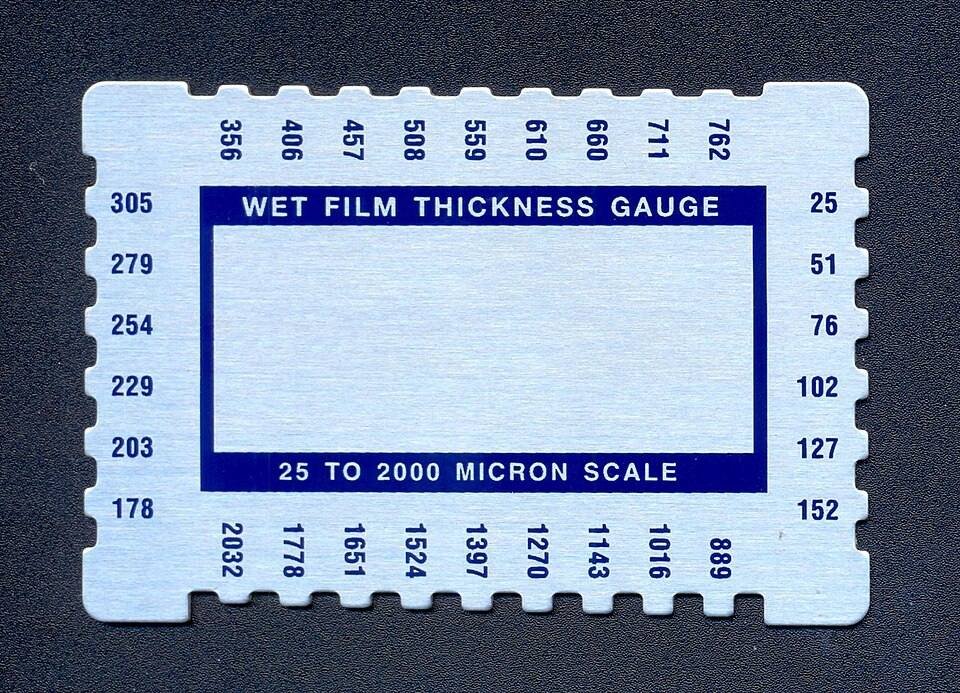
Most car gauges measure the total coating on a panel. On steel they use a magnetic method, and on aluminum they use an eddy-current method, so a gauge that handles both is more useful on modern cars. You touch the probe to the paint and the screen shows a reading, usually in mils or microns (1 mil is 0.001 inch).

How to Read the Numbers
Factory paint thickness varies by make, model, and panel, but readings on factory finishes are commonly cited as being in the low single-digit mils. Treat any numbers as a rough guide and compare panels on the same car rather than relying on one chart.
- Similar readings across all panels: usually a sign the car has its original paint.
- One panel noticeably higher than the others: that panel may have been repainted.
- Much higher readings: could mean body filler or several coats. Ask about repair history.
- Very low readings: could mean heavy polishing or sanding through the clear coat.
Some panels are not steel or aluminum, such as plastic bumpers or carbon fiber, and a gauge may not read them at all. Roof and hood readings can also differ from the sides for normal reasons.
The Best Paint Thickness Gauges on Amazon
Best for Most Buyers
CM-224 Digital Paint Thickness Gauge
Best for: used car shoppers who want a digital meter for steel and aluminum
The CM-224 is a digital coating thickness meter sold for automotive use. It is listed for cars and has a high average rating from reviewers.
- ✅ Pros: Digital readout, automotive focus, good reviews
- ⚠️ Keep in mind: Costs more than a magnetic pen, and you still need to learn how to compare panels
Best Value Digital Pick
CM-205FN Paint Thickness Gauge
Best for: buyers who want a lower-cost digital option
The CM-205FN is another digital gauge for cars, listed for use on ferrous and non-ferrous metals. It suits occasional inspections.
- ✅ Pros: Digital, lower cost, automotive listing
- ⚠️ Keep in mind: Features are more basic than newer models
Highest-Rated Listing
Paint Thickness Gauge for Cars, Iron and Aluminum
Best for: shoppers who prioritize a high average rating
This gauge is listed for iron and aluminum, with a high average rating at the time we checked. Ratings can change, so read recent reviews.
- ✅ Pros: Iron and aluminum support, high average rating
- ⚠️ Keep in mind: Fewer details on the listing, and it is a newer product with a smaller review history
Cheapest Starter
Mcbazel Magnetic Paint Thickness Gauge Pen
Best for: a rough first check on steel panels for very little money
This is a magnetic pen, not a digital meter. It gives a rough sense of body filler on steel panels, but it does not read aluminum or give a precise number.
- ✅ Pros: Very low cost, pocket size
- ⚠️ Keep in mind: Steel only, and a rough guide rather than an exact reading

How to Use a Paint Gauge on a Used Car
- Test in daylight on a clean, dry car.
- Calibrate or zero the gauge as the maker says.
- Measure the same spots on each panel: roof, hood, trunk, fenders, doors, and quarter panels.
- Take two or three readings per panel and write them down.
- Compare panels to each other, left to right, and note outliers.
- Ask the seller about any panel that stands out, and get a mechanic to look at the car.
A gauge is only one part of a proper check. See our used car inspection checklist, and use a code reader to check for stored faults. Our guide on paintless dent repair cost can also help you judge cosmetic damage you find.
Super Car Digest · $14
The Used Car Buying Playbook
Shopping for a used car? Most buyers overpay in four predictable places. This playbook closes every one of them. Budget worksheet, 15-minute VIN screen, test-drive routine, word-for-word negotiation scripts and a 10-point contract check.
Get the Playbook →Frequently Asked Questions
Can a paint gauge detect accident damage?
It can show repainted or filled panels, which can point to past repairs. It cannot tell you why a panel was repainted or whether the repair was done well.
Do I need a gauge if I get a pre-purchase inspection?
Many inspectors already use one. A personal gauge helps you screen cars before you pay for an inspection.
Can I use one on any car?
Most work on steel and many on aluminum, but not on plastic or carbon fiber panels.
Is a repainted panel always bad?
No. A well-done repaint after minor damage can be fine. The point is to know about it and negotiate or ask questions.
Final Thoughts
A paint thickness gauge is an inexpensive way to add facts to your used car search. A digital model for steel and aluminum is the best fit for most shoppers, while a magnetic pen is a rough, low-cost starter. Use the readings to ask better questions, and get a mechanic to confirm.