Key takeaways
- A professional full vinyl wrap on a sedan typically costs $3,000–$5,000. Small cars start around $2,500; full-size SUVs and trucks often run $3,500–$6,500.
- Chrome, color-shift and textured films can push a full wrap to $6,000–$10,000+.
- Partial wraps (roof, hood, mirrors, stripes) usually cost $250–$1,500.
- A quality cast-vinyl wrap commonly lasts about 3–7 years, depending on climate, film and care. Professional removal costs about $300–$1,000.
- Estimates as of 2026. Price depends mostly on vehicle size, body complexity, film type and installer skill.
It costs about $2,500 to $6,000 to wrap a car professionally in 2026, with most sedans landing between $3,000 and $5,000 for a full color-change wrap using a major film brand such as 3M or Avery Dennison. Full-size trucks and large SUVs usually cost $3,500–$6,500, and specialty finishes like chrome can exceed $10,000. If you only want part of the car done, a roof, hood or mirror wrap is often $250–$1,500. A wrap protects the original paint, can be removed later, and typically costs less than a high-quality paint job in a new color. This guide breaks down prices by vehicle, compares films and finishes, and covers wrap vs paint, lifespan, care and removal.
📩 Important: after you sign up, open the email from Super Car Digest and tap Confirm. Your checklist opens right away. Not there? Check Spam or Promotions.
Car wrap cost in 2026 at a glance
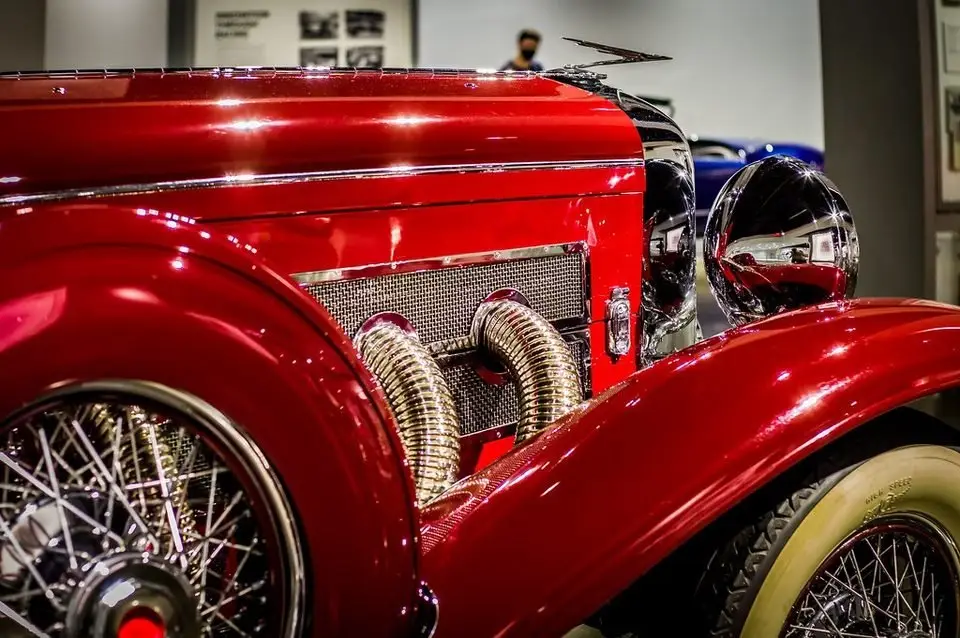
| Vehicle or job | Standard gloss/matte film | Specialty film |
|---|---|---|
| Compact car or coupe | $2,500–$4,000 | $5,000–$8,000 |
| Midsize sedan | $3,000–$5,000 | $5,500–$9,000 |
| Small or midsize SUV | $3,500–$5,500 | $6,000–$10,000 |
| Full-size SUV or minivan | $4,000–$6,500 | $7,000–$11,000+ |
| Pickup truck | $3,500–$6,500 | $6,500–$10,000+ |
| Partial wrap (roof, hood) | $250–$1,500 | $400–$2,000 |
| Printed commercial wrap | $2,500–$5,500 | Design fees extra |
| Wrap removal | $300–$1,000 | More if film is old |
Door jambs are usually not included in a basic quote. Wrapping the jambs so the original color does not show when the doors are open can add $500–$1,500 or more.
What you pay for in a car wrap
Material is a smaller part of the bill than most people expect. A roll of quality cast wrap film large enough for a sedan often costs roughly $600–$1,200. The rest is labor: a full wrap typically takes a skilled installer two to five days, including washing, clay-barring and degreasing the paint, removing parts such as door handles, badges, lights and mirrors, laying and stretching the film, trimming edges and post-heating so the vinyl holds its shape.
1. Vehicle size and shape
More surface area means more film and more time. Deep recesses, sharp body lines and complex bumpers, common on modern SUVs and sports cars, take far longer than flat panels.
2. Film type and finish
Gloss, satin and matte colors are the standard tier. Color-shift, carbon fiber textures and chrome cost more and are harder to install. Chrome is especially difficult and less durable.
3. Paint condition
Vinyl shows every defect underneath it. Rust, chips, peeling clear coat and dents should be repaired first. Our guides on car scratch repair cost and car dent repair cost cover that prep work. Failing clear coat can also be pulled off when the wrap is removed later.
4. Installer experience
This is the biggest quality factor. A cheap wrap with overstretched corners, visible seams and knife cuts in the paint is a bad deal at any price. Ask to see recent work in person, and ask whether the shop is certified by the film maker.
3M vs Avery Dennison and other wrap films
The two most widely used brands in the US are 3M (its 2080 series) and Avery Dennison (its SW900 Supreme Wrapping Film). Both are cast films designed for vehicle curves, with air-release adhesive and removability. Installers have personal preferences: some find Avery slightly easier to reposition, while others like the protective cap layer on certain 3M gloss films. Either is a sound choice from a good installer.
Other brands you may see include KPMF, Oracal (Orafol) and Inozetek. Avoid cheap calendered films for a full color change; they are made for flat signs and tend to shrink, crack and leave adhesive when removed.
Wrap vs paint protection film
A color-change wrap is not the same as clear paint protection film (PPF). PPF is thicker, often self-healing, designed for chip protection, and usually costs more per panel. Some shops now offer colored PPF at premium prices. Ask which product you are being quoted.
Full wrap vs partial wrap
A full wrap covers every painted exterior panel and changes the look of the whole car. A partial wrap targets one area for a fraction of the price. Popular options include:
- Gloss black roof: often $250–$600, a common upgrade that mimics a two-tone look.
- Hood: about $200–$500, often in matte black or carbon texture.
- Mirrors, spoiler or trim (chrome delete): about $150–$800 depending on how much trim there is.
- Racing stripes or accents: roughly $300–$1,000.
- Half wrap for business graphics: often $1,500–$3,000 on vans and trucks.
Wrap vs paint: which costs less?
| Factor | Vinyl wrap | New paint |
|---|---|---|
| Typical sedan cost | $3,000–$5,000 | $1,000–$3,000 basic; $4,000–$10,000+ quality color change |
| Lifespan | About 3–7 years | Many years with care |
| Reversible | Yes | No |
| Protects original paint | Yes, from light wear | Replaces it |
| Fixes damaged paint | No, hides only smooth surfaces | Yes, with body prep |
For a color change on a car with good paint, a wrap is usually cheaper than a paint job of similar quality, and it keeps the original paint for resale. For a car with faded or peeling paint, paint is the better fix because vinyl will not stick properly to failing clear coat.
How long a car wrap lasts and how to care for it
Lifespan depends heavily on sun exposure. Horizontal surfaces like the hood and roof fade first, especially in hot, sunny states. Garage-kept cars last longest. To get the most from a wrap:
- Hand wash with a pH-neutral soap. Avoid brush car washes.
- Keep pressure washers at a distance and away from edges and seams.
- Remove bird droppings, sap and fuel spills quickly.
- Do not wax matte or satin films; use wrap-safe detailers or ceramic products made for vinyl.
- Park in shade or a garage when you can.
How to get a fair quote to get a car wrapped
Wrap prices vary widely between shops, so compare at least two or three written quotes. Make sure each one lists the same things:
- The exact film, including brand, product line and color name.
- What is covered: door jambs, inside the fuel door, bumpers, mirrors and trim.
- Parts removal: whether handles, lights and badges come off or the film is cut around them.
- Warranty terms: how long the shop covers lifting, peeling and bubbling, separate from the film maker’s warranty.
- Prep and paint defects: what happens if the shop finds chips or weak clear coat.
A quote far below the local average usually means a cheaper film, fewer parts removed or less experienced labor. Seams and relief cuts are sometimes unavoidable on large panels, but a good installer will tell you where they will be before starting.
Wrap removal and other practical points
A wrap removed within its rated life usually comes off cleanly with heat, at a cost of about $300–$1,000. An old, sun-baked wrap can crack into small pieces and leave adhesive, which takes much longer. Some states expect you to update your registration if you change the vehicle’s color, so check with your DMV. If you plan to lease or sell, a removable wrap can be a plus. If you are weighing a wrap on an older car with other problems, our guide on whether it’s worth fixing an old car may help you prioritize.
Useful on Amazon for this job
As an Amazon Associate we earn from qualifying purchases. Always confirm fit for your exact vehicle or ask your dentist.
What experienced wrap installers want you to know
- Labor is most of the price. A clean wrap means removing handles, lights, mirrors and trim. Cars with deep body lines and complex bumpers take longer than flat-sided SUVs.
- Use cast vinyl from a major brand such as 3M or Avery Dennison. Cheap calendared film can shrink and crack in the sun.
- The paint must be healthy. Wrapping over failing clearcoat or rust usually ends badly, and the film can pull paint off when removed.
- Insurance may not cover the wrap unless you add custom-equipment coverage. If the car is leased, check the contract first.
- Knife marks are the classic mistake. Cutting vinyl on the paint can slice the clearcoat; good installers use knifeless tape or careful technique.
- Ask about the warranty and edge work. A good shop tucks edges, post-heats the film and backs its work against lifting.
Super Car Digest · $14
The Used Car Buying Playbook
Big repair bill on an older car? Before you pay for it, run the numbers on replacing the car — and if you do switch, don’t overpay for the next one. Budget worksheet, 15-minute VIN screen, test-drive routine, word-for-word negotiation scripts and a 10-point contract check.
Frequently asked questions
How much does it cost to wrap a car?
Most professional full wraps cost $2,500–$6,000, with sedans usually $3,000–$5,000. Specialty films cost more. Estimates as of 2026.
How much does it cost to wrap a truck?
A full wrap on a pickup typically costs $3,500–$6,500 with standard film, depending on cab and bed size. Chrome or color-shift film can push it past $10,000.
Is it cheaper to wrap or paint a car?
A wrap is usually cheaper than a quality color-change paint job, but more expensive than a basic same-color respray. Paint is better when the existing finish is damaged.
Can I vinyl wrap a car myself?
Yes, but a full wrap is hard to do well. Film alone costs roughly $600–$1,200 for a sedan, and mistakes waste material. Starting with a roof, mirrors or trim is more realistic.
Does a wrap damage paint?
A quality film on healthy factory paint, removed within its rated life, generally does not. Repainted panels, failing clear coat and careless knife work are the main risks.
Sources and methodology
Price ranges combine published 2026 price lists from US vehicle wrap shops, current retail pricing for 3M 2080 and Avery Dennison SW900 films, manufacturer product information on film types and care, and typical installation times. These are estimates; your quote will vary by vehicle, film, region and installer.