Key takeaways
- A starter motor replacement typically costs $300–$700 at an independent shop. Remanufactured starters cost $80–$250, new aftermarket units $120–$400; labor is usually 1–2.5 hours.
- Remanufactured starters are the normal choice for older cars and usually carry a warranty. New OEM starters can cost $250–$700 on their own.
- On some V6 and V8 engines the starter sits under the intake manifold, which can push the bill to $800–$1,500+.
- A single click often means a weak battery or bad connection, not a dead starter. Test those first.
- Estimates as of 2026; your price depends on the vehicle, part type and local labor rates ($100–$175/hr independent, $150–$250/hr dealer).
The starter motor replacement cost for most cars in 2026 is about $300 to $700 at an independent shop: roughly $80–$400 for a remanufactured or new aftermarket starter and $100–$400 in labor. Dealers using new OEM parts commonly land between $600 and $1,200. A few engines hide the starter under the intake manifold, and those jobs can pass $1,500. This guide covers new vs. remanufactured starter prices, why location matters so much, the symptoms of a failing starter, and how to tell a starter problem from a bad battery or alternator before you pay for the wrong part.
📩 Important: after you sign up, open the email from Super Car Digest and tap Confirm. Your checklist opens right away. Not there? Check Spam or Promotions.
Starter motor replacement cost in 2026 at a glance
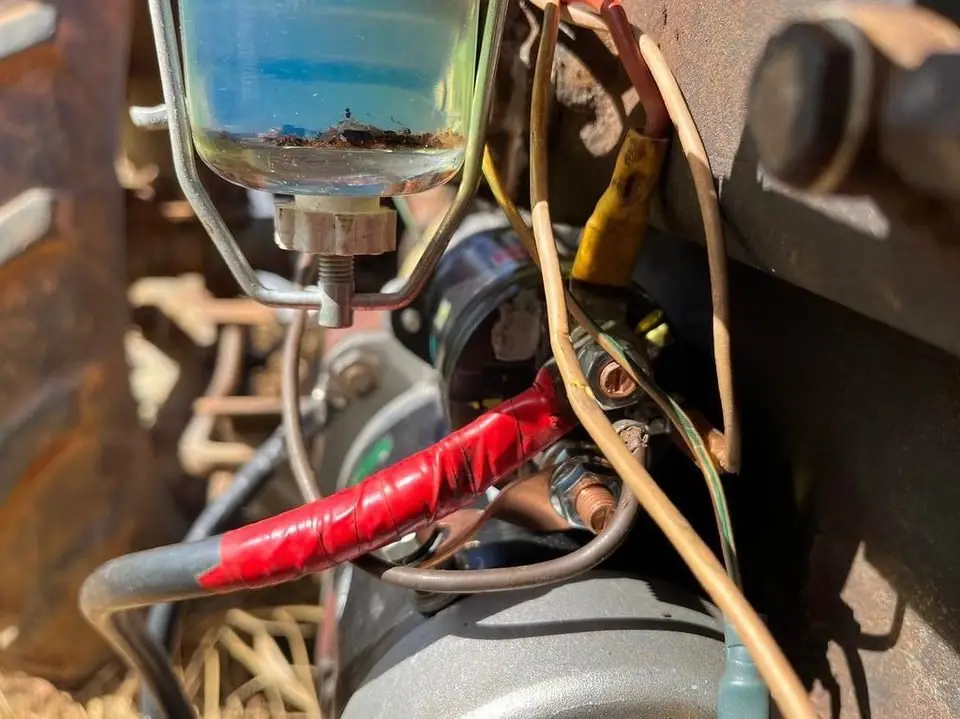
| Vehicle or option | Parts | Labor | Typical total (independent shop) |
|---|---|---|---|
| Compact or midsize car, remanufactured starter | $80–$200 | 1–1.5 hrs ($100–$260) | $250–$450 |
| Compact or midsize car, new aftermarket starter | $120–$300 | 1–1.5 hrs ($100–$260) | $300–$550 |
| SUV, minivan or pickup | $120–$400 | 1–2.5 hrs ($100–$440) | $350–$800 |
| Starter under the intake manifold (some V6/V8) | $150–$450 plus gaskets | 3–6 hrs | $800–$1,500+ |
| Luxury or European car | $250–$700 | 1.5–4 hrs | $600–$1,400 |
| Starter rebuild at a local shop (when offered) | $60–$150 | Removal + rebuild | $250–$500 |
| Dealership, new OEM starter | OEM ($250–$700+) | $150–$250/hr | $600–$1,200+ |
Expect a diagnostic fee of $50–$150 if the shop needs to test the starting and charging system. Many parts stores will bench test a starter or check your battery for free.
What a starter does and why it fails
The starter motor is a small, powerful electric motor bolted to the engine near the transmission. When you turn the key or push the start button, a solenoid on the starter pushes a small gear into the flywheel teeth and the motor spins the engine until it fires.
Starters wear out from use. The brushes, bearings, solenoid contacts and drive gear all wear over thousands of starts. Oil or coolant leaking onto the starter, heat from the exhaust, and frequent short trips can shorten its life. Cars with automatic start-stop systems use heavier-duty starters designed for more cycles.
New vs. remanufactured starters
A remanufactured starter is a used unit that has been taken apart, cleaned and rebuilt with new wear parts, then tested. Quality brands work well and usually carry a one-year to lifetime warranty from the parts store. A new aftermarket starter costs more but has no used components. A new OEM starter from the dealer is the most expensive. For most cars over five years old, a good remanufactured unit is the best value.
Signs of a bad starter
- A single loud click when you turn the key, with dash lights staying bright.
- Rapid clicking, which usually points to a weak battery or poor connection rather than the starter.
- Grinding during or after starting, often a worn drive gear or flywheel teeth.
- Whirring with no crank, meaning the motor spins but the gear does not engage.
- Slow, labored cranking even with a fully charged battery.
- Intermittent no-start that goes away after a few tries or a tap on the starter.
- Smoke or a burning smell from under the car after repeated start attempts.
Starter vs. battery vs. alternator
These three parts get blamed for each other all the time. A quick way to sort them out:
- Battery: dim lights, rapid clicking, the car starts fine with a jump. A new battery usually costs $150–$350 installed.
- Alternator: the car starts but dies while driving, the battery light comes on, or the battery keeps going dead. Alternator replacement often runs $400–$900.
- Starter: lights stay bright, you hear one click or grinding, and a jump start does not help.
Loose or corroded battery cables and a bad ground strap can mimic all three. Cleaning and tightening the connections is free and worth trying first.
Test before you buy
Most parts stores will test your battery and charging system in the parking lot for free, and bench test a removed starter. A five-minute test can save you from replacing a $300 starter when the real problem is a $15 cable end.
Is it safe to drive with a bad starter?
Once the engine is running, a failing starter does not affect how the car drives. The risk is getting stranded. A starter that works only some of the time will eventually stop working, often at the worst moment.
Tapping the starter or push-starting a manual car can get you home, but it is a temporary trick. Plan the repair soon, and avoid parking where a tow would be difficult.
Stop cranking if you notice these
Smoke, a hot electrical smell, or a starter that keeps running after the engine starts. A stuck solenoid can overheat the starter and wiring. Disconnect the battery if it will not stop, and get the car checked before trying again.
What drives the price up or down
1. Starter location
This is the biggest factor. On many four-cylinder cars and pickups, the starter is reachable from underneath and takes about an hour. On some V6 and V8 engines, including certain Toyota and Lexus V8s and older Cadillac Northstar V8s, the starter sits in the valley under the intake manifold. The shop has to remove the intake and replace its gaskets, which can mean 3–6 hours of labor.
2. Part choice
Remanufactured starters are the cheapest, new aftermarket units sit in the middle, and new OEM starters cost the most. Watch for a core charge of $20–$100 that you get back when you return the old starter.
3. Related damage
If the starter has been grinding for a while, the flywheel or flexplate teeth may be damaged. Replacing a flexplate means removing the transmission and can add $500–$1,200 or more. An oil leak dripping on the starter should also be fixed, or the new one may fail early. See our car oil leak repair cost guide.
4. Start-stop and hybrid systems
Cars with start-stop use heavy-duty starters that cost more. Most full hybrids do not use a conventional starter at all, so a no-start on a hybrid usually needs a different diagnosis.
Dealer vs. independent shop vs. DIY
| Option | Typical cost | Pros | Cons |
|---|---|---|---|
| Dealership | $600–$1,200+ | New OEM starter, factory diagnosis | Highest labor rate and parts markup |
| Independent shop | $300–$700 | Fair labor rate, reman or new options | Part quality depends on the brand used |
| Chain shop | $300–$700 | Quick, often coupons | Upselling on batteries and cables is common |
| DIY | $80–$400 in parts | Lowest cost | Needs jack stands, long extensions; disconnect the battery first |
DIY is realistic when the starter is easy to reach from below. Always disconnect the negative battery cable first, because the starter’s main cable is live at all times. Leave under-intake starters to a shop unless you are comfortable with intake gaskets and torque specs.
How to pay less without cutting corners
- Rule out the battery and cables with a free parts-store test.
- Choose a quality remanufactured starter with a solid warranty on an older car.
- Return the core to get the core charge back.
- Get two quotes, one from an independent shop, especially for under-intake jobs where labor estimates vary widely.
- Check your coverage. Starters are often covered by extended plans. See are extended car warranties worth it? and the average monthly cost of an extended warranty.
When to walk away from the repair
A starter is a routine repair, and on most cars it is clearly worth doing. Even an $800–$1,500 under-intake job can make sense on a reliable V8 truck or SUV. The math changes when the starter is one item on a growing list, such as a damaged flexplate, oil leaks and a tired transmission, on a car worth little. Add up every repair and compare the total with the car’s value. Our guide on whether it’s worth fixing an old car explains the 50% rule, and the repair or replace calculator runs the numbers for you.
Useful on Amazon for this job
As an Amazon Associate we earn from qualifying purchases. Always confirm fit for your exact vehicle or ask your dentist.
Super Car Digest · $14
The Used Car Buying Playbook
Big repair bill on an older car? Before you pay for it, run the numbers on replacing the car — and if you do switch, don’t overpay for the next one. Budget worksheet, 15-minute VIN screen, test-drive routine, word-for-word negotiation scripts and a 10-point contract check.
Frequently asked questions
How much does it cost to replace a starter motor?
About $300–$700 at an independent shop and $600–$1,200 or more at a dealer. Starters mounted under the intake manifold can cost $800–$1,500 or more. Estimates as of 2026.
Is a remanufactured starter as good as a new one?
A quality remanufactured starter is rebuilt with new wear parts and tested, and it usually comes with a warranty. For most older cars it is a sensible choice. Very cheap units from unknown brands are more likely to fail early.
How do I know if it is the starter or the battery?
If the lights dim and you hear rapid clicking, suspect the battery. If the lights stay bright and you hear one click or grinding, and a jump start does not help, suspect the starter. A free parts-store test confirms it.
How long does a starter last?
Many starters last 100,000–150,000 miles or more. Oil leaks, heat and very frequent short trips can shorten that.
Can a bad starter drain the battery?
It can if the solenoid sticks or the starter draws too much current while cranking. Repeated failed start attempts will also run the battery down.
How long does a starter replacement take?
Usually 1–2.5 hours. Starters under the intake manifold can take 3–6 hours.
Sources and methodology
Price ranges combine 2026 estimates from the RepairPal estimator for starter, battery and alternator replacement, published labor-time guides, current retail pricing for remanufactured, new aftermarket and OEM starters, and labor at typical 2026 shop rates ($100–$175/hr independent, $150–$250/hr dealer; AAA has reported national averages around $140/hr). These are estimates; your quote will vary by vehicle, region and condition.