Key takeaways
- A radiator replacement typically costs $400–$1,000 at an independent shop. Aftermarket radiators cost $100–$400; labor is usually 1.5–3 hours plus coolant.
- Common add-ons are a thermostat ($50–$150 extra), radiator hoses ($50–$150 each) and a full coolant flush ($100–$200 if done separately).
- Most modern radiators have an aluminum core with plastic tanks. The plastic tanks crack with age, which is the most common reason for replacement.
- Dealers often charge $800–$1,600+ with an OEM radiator; trucks, luxury and European models cost more.
- Estimates as of 2026; your price depends on the vehicle, part brand and local labor rates ($100–$175/hr independent, $150–$250/hr dealer).
The radiator replacement cost for most cars in 2026 is about $400 to $1,000 at an independent shop: roughly $100–$400 for an aftermarket radiator and $200–$500 in labor, plus $30–$80 for coolant. Dealers using OEM parts commonly land between $800 and $1,600. Pickups, large SUVs and European cars sit at the top of those ranges. This guide covers radiator prices by vehicle type, the add-ons shops usually recommend, aluminum vs. plastic tank radiators, the warning signs, and why driving an overheating engine can turn a radiator job into an engine replacement.
📩 Important: after you sign up, open the email from Super Car Digest and tap Confirm. Your checklist opens right away. Not there? Check Spam or Promotions.
Radiator replacement cost in 2026 at a glance
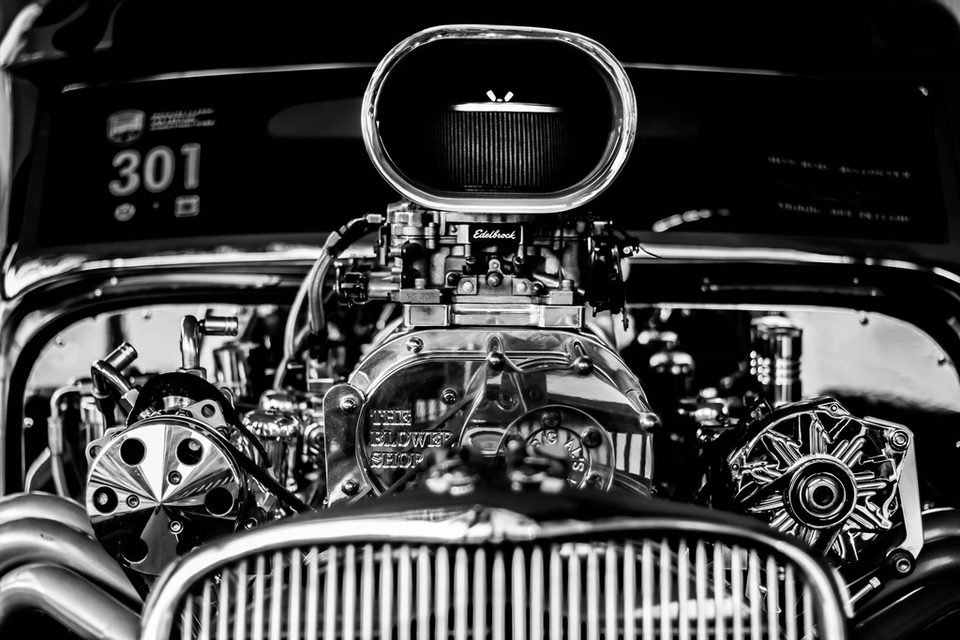
| Vehicle or job | Parts | Labor | Typical total (independent shop) |
|---|---|---|---|
| Radiator, compact or midsize car | $100–$300 | 1.5–2.5 hrs ($150–$440) | $400–$800 |
| Radiator, SUV or crossover | $150–$400 | 2–3 hrs ($200–$525) | $500–$1,000 |
| Radiator, full-size pickup or large SUV | $200–$500 | 2–3.5 hrs | $600–$1,200 |
| Radiator, luxury or European car | $250–$700 | 2.5–4 hrs | $800–$1,600 |
| Radiator + thermostat + both hoses | $200–$550 | 2–3.5 hrs | $600–$1,300 |
| Radiator leak repair (minor, when possible) | $20–$100 | 1–2 hrs | $150–$400 |
| Dealership, OEM radiator | OEM ($300–$900+) | $150–$250/hr | $800–$1,600+ |
Many shops add a small charge for coolant disposal and a pressure test to confirm the new radiator holds. Expect $20–$100 for those items if they are listed separately.
What a radiator does and why it fails
The radiator sits behind the grille and sheds engine heat into the air. Hot coolant flows from the engine through thin tubes and fins, the fan and passing air cool it down, and the water pump sends it back. A thermostat controls when coolant flows to the radiator, and rubber hoses connect everything.
Radiators usually fail in one of a few ways:
- Cracked plastic tank. Heat cycles make the plastic brittle, and cracks form near the seams or hose necks.
- Internal clogging. Old coolant, mixed coolant types or stop-leak products leave deposits that block the tubes.
- Corroded core. Road salt and age eat through the thin aluminum fins and tubes.
- Physical damage from road debris or a minor front-end collision.
Aluminum vs. plastic tank radiators
Most cars built in the last 25 years use an aluminum core with plastic end tanks. They are light, cheap to make and cool well, but the tanks are the usual failure point and are rarely worth repairing. All-aluminum radiators, with welded aluminum tanks, are common in performance and aftermarket upgrades. They cost more, often $250–$700, and are not necessary for a normal daily driver. Older copper-brass radiators can be repaired by a radiator shop, but few modern cars use them.
Signs your radiator needs replacing
- Temperature gauge climbing above normal, especially in traffic or on hills.
- Coolant puddles under the front of the car, usually green, orange, pink or blue, with a sweet smell.
- Low coolant that keeps dropping after you top it off.
- Visible cracks or crusty residue on the plastic tanks or at the hose connections.
- Rusty or sludgy coolant in the overflow tank.
- Steam from under the hood or a heater that blows cold.
Not every leak is the radiator. Hoses, the water pump, the heater core and the head gasket can also lose coolant. A pressure test, usually $50–$100, finds the source before you buy parts. Our coolant leak repair cost guide covers those other repairs.
Do the add-ons while it is apart
The radiator job already drains the coolant and removes the hoses. If your thermostat and hoses are original on a car with 80,000+ miles, replacing them now usually adds only $50–$150 each in parts and a little labor, instead of paying for a second drain and refill later.
Is it safe to drive with a bad radiator?
Only for short distances, and only if the engine stays at normal temperature. A slow seep that needs a small top-off every week or two may let you drive to a shop, but it will not get better on its own.
Overheating is the real danger. Running an engine hot can warp the cylinder head, blow the head gasket or seize the engine. A head gasket job often costs $1,500–$3,000 or more, and a replacement engine can cost several thousand dollars. That is why a $600 radiator should not wait.
Pull over if you see these
A temperature gauge in the red, a warning light, steam from the hood or a sudden loss of heater output. Turn off the engine, let it cool, and never open a hot radiator cap. Pressurized coolant can cause serious burns. If the engine overheats again after a top-off, have it towed.
What drives the price up or down
1. Vehicle type and access
On many sedans the radiator comes out from the top in under two hours. On some trucks, SUVs and front-wheel-drive cars, the shop has to remove the bumper cover, fan shroud, AC condenser brackets or transmission cooler lines, which adds time.
2. Aftermarket vs. OEM radiator
Aftermarket radiators for common cars cost $100–$400 and often carry a limited lifetime warranty from the parts store. OEM radiators can cost two to three times as much. For an older daily driver, a reputable aftermarket brand is usually fine.
3. Coolant type and bleeding
Some vehicles need a specific long-life coolant that costs more, and some need a vacuum fill or a careful bleeding procedure to remove air pockets. Air trapped in the system can cause overheating right after the repair, so this step matters.
4. Related damage
If the car overheated, the shop may find a failed water pump, a stuck thermostat, a bad cooling fan or a leaking head gasket. A coolant flush ($100–$200 on its own) may also be recommended if the old coolant was rusty or contaminated.
Shop-floor tips that change a radiator quote
- Some radiators hold the transmission cooler. On many automatics, transmission fluid runs through a cooler inside the radiator tank. If that internal cooler fails, coolant can mix with transmission fluid, which can damage the transmission. Milky pink fluid in either system needs attention right away; this is a well-known issue on some mid-2000s Nissan Pathfinder, Frontier and Xterra models.
- Access drives labor. On many older trucks the radiator lifts out from the top. On tightly packaged newer cars the bumper, headlights or A/C condenser may need to come off, and sometimes the A/C has to be evacuated and recharged.
- Quality differs between brands. Budget radiators can have thinner cores and weaker tank seams. Brands that supply automakers, such as Denso, Koyo, Nissens or Mahle/Behr, are a safer bet if you tow or drive in heat.
- Replace the cap, hoses and thermostat while the system is drained if they are original or soft. A stuck pressure cap can overpressure a new radiator.
- Bleed the air properly. Many modern engines need a vacuum fill tool or a specific bleeding procedure; air pockets can cause overheating.
- Watch for padded labor. Hoses and thermostats overlap with radiator removal, so they should add little extra labor, not full separate hours.
Road debris may be an insurance claim
If a rock or debris punctured the radiator or A/C condenser, comprehensive coverage may pay for it minus your deductible. Ask your insurer before paying out of pocket.
Dealer vs. independent shop vs. DIY
| Option | Typical cost | Pros | Cons |
|---|---|---|---|
| Dealership | $800–$1,600+ | OEM radiator, correct coolant and fill procedure | Highest labor rate and parts markup |
| Independent shop | $400–$1,000 | Fair labor rate, choice of parts | Quality of aftermarket radiator varies |
| Radiator specialty shop | $350–$900 | May repair instead of replace, good diagnosis | Fewer shops left in many areas |
| DIY | $130–$480 in parts and coolant | Lowest cost | Messy, coolant disposal, air bleeding can be tricky |
DIY is realistic on many older sedans and pickups. Drain coolant into a sealed container, take it to a recycling center, and follow the factory bleeding procedure. Coolant is toxic and tastes sweet to pets, so clean up spills right away.
How to pay less without cutting corners
- Confirm the leak source with a pressure test before buying a radiator.
- Choose a quality aftermarket radiator with a warranty on an older car.
- Bundle the thermostat and hoses if they are original and the car has high mileage.
- Get two quotes, including one from an independent or radiator shop.
- Skip stop-leak products as a long-term fix; they can clog the heater core and new radiator.
- Check your coverage. Radiators are covered by some extended plans but not all. See are extended car warranties worth it?
When to walk away from the repair
A radiator alone is usually worth fixing. It is a one-time repair that protects a far more expensive engine. The decision changes if the car already overheated badly and the shop finds a blown head gasket or warped head, or if the radiator is one item on a long list of repairs. Add up every repair and compare the total with the car’s value. Our guide on whether it’s worth fixing an old car explains the 50% rule, and the repair or replace calculator does the math for you.
If you are shopping for a used car, check the coolant color, look for crusty residue on the radiator tanks and watch the temperature gauge on a long test drive. Our used car inspection checklist covers what else to look for.
Useful on Amazon for this job
As an Amazon Associate we earn from qualifying purchases. Always confirm fit for your exact vehicle or ask your dentist.
Super Car Digest · $14
The Used Car Buying Playbook
Big repair bill on an older car? Before you pay for it, run the numbers on replacing the car — and if you do switch, don’t overpay for the next one. Budget worksheet, 15-minute VIN screen, test-drive routine, word-for-word negotiation scripts and a 10-point contract check.
Frequently asked questions
How much does it cost to replace a radiator?
About $400–$1,000 at an independent shop and $800–$1,600 or more at a dealer. Trucks, luxury and European vehicles cost the most. Estimates as of 2026.
Should I replace the thermostat with the radiator?
On a car with high mileage or an original thermostat, yes, it is usually worth it. The coolant is already drained, so it adds only about $50–$150 to the bill.
Can a radiator be repaired instead of replaced?
Sometimes. Small leaks in older metal radiators can be repaired for $150–$400. Cracked plastic tanks and badly corroded cores are almost always replaced.
Do I need a coolant flush with a new radiator?
The system is refilled with fresh coolant either way. A full flush is worth it if the old coolant was rusty, sludgy or the wrong type.
How long does a radiator last?
Many radiators last 8–12 years or 100,000–150,000 miles. Regular coolant changes help them last longer.
How long does a radiator replacement take?
Most shops need 1.5–3 hours of labor. Many can finish the same day if the part is in stock.
Sources and methodology
Price ranges combine 2026 estimates from the RepairPal estimator for radiator, thermostat and coolant flush jobs, published labor-time guides, current retail pricing for aftermarket and OEM radiators, and labor at typical 2026 shop rates ($100–$175/hr independent, $150–$250/hr dealer; AAA has reported national averages around $140/hr). These are estimates; your quote will vary by vehicle, region and condition.