Key takeaways
- An intake manifold gasket replacement typically costs $250–$600 on an easy-access 4-cylinder and $500–$1,200 on most V6 and V8 engines at an independent shop.
- The gasket set itself is cheap, often $20–$150. Almost all of the bill is labor, usually 2–6 hours.
- A leaking lower intake gasket on some V6/V8 engines (the GM 3.8L is the best-known example) lets coolant escape and can mix coolant with oil, which is a must-fix problem.
- Vacuum leaks at the gasket often set lean codes P0171 and P0174, cause a rough idle and hurt fuel economy.
- Estimates as of 2026; your price depends on engine layout, parts brand and local labor rates ($100–$175/hr independent, $150–$250/hr dealer).
The intake manifold gasket replacement cost in 2026 is about $250 to $1,200 at an independent shop, with most 4-cylinder cars near the low end and V6 or V8 engines near the high end. Parts are usually $20–$150 for a gasket set, plus coolant and a few small seals, while labor runs roughly $200–$1,000 depending on how much has to come apart. Dealers commonly charge $700 to $1,800 or more on V-engines. This guide explains what the gasket does, the symptoms of a leak, whether you can keep driving, and how to keep the bill reasonable.
📩 Important: after you sign up, open the email from Super Car Digest and tap Confirm. Your checklist opens right away. Not there? Check Spam or Promotions.
Intake manifold gasket replacement cost in 2026 at a glance
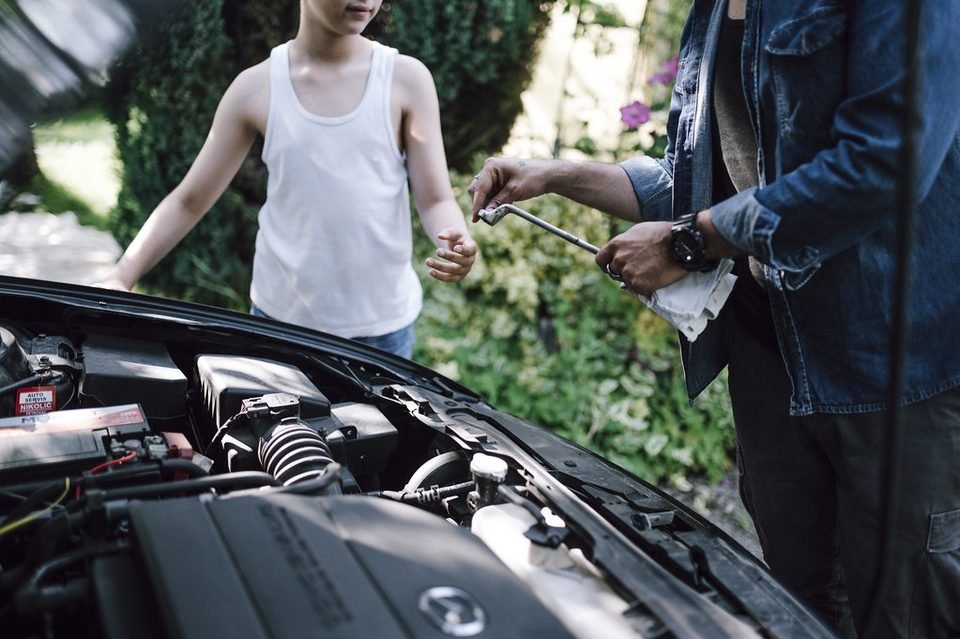
| Job | Parts | Labor | Typical total (independent shop) |
|---|---|---|---|
| Inline 4-cylinder, plastic manifold on top | $20–$80 | 1.5–3 hrs | $250–$600 |
| V6, upper (plenum) gasket only | $30–$100 | 1.5–3 hrs | $300–$650 |
| V6, lower intake gasket (coolant-carrying) | $60–$150 + coolant | 3–6 hrs | $500–$1,200 |
| V8 truck or SUV, intake gaskets | $50–$150 + coolant | 3–5 hrs | $500–$1,100 |
| Transverse V6 (rear bank hard to reach) | $60–$150 | 4–7 hrs | $700–$1,400 |
| Gasket job plus new plastic manifold | $200–$600 manifold | 2–5 hrs | $500–$1,500 |
| Add-on: oil and filter change after coolant contamination | $40–$80 | 0.3–0.5 hr | $60–$130 |
| Dealership, V6 or V8 | OEM gaskets | $150–$250/hr | $700–$1,800+ |
What the intake manifold gasket does
The intake manifold is the set of passages that carries air from the throttle body to each cylinder. It bolts to the cylinder head, and the gasket between them seals that joint so the engine only pulls in air that has passed through the air filter and been measured by the sensors.
On most modern 4-cylinder engines, the manifold is a single plastic piece on top of or on the front of the engine, and the gaskets are simple rubber O-rings. These are among the easier versions of the job.
Many V6 and V8 engines are different. The intake sits in the valley between the two cylinder banks, and on some designs it is split into an upper and a lower manifold. On engines such as the GM 3.8L V6 and several older GM, Ford and Chrysler V-engines, coolant flows through the lower intake. When that gasket fails, it can leak coolant outside the engine or, worse, into the oil.
Symptoms of a leaking intake manifold gasket
- Check engine light with P0171 and/or P0174 (system too lean, bank 1 and bank 2). Unmetered air from a vacuum leak makes the mixture lean.
- Rough or high idle, stalling, or hesitation, often worse when the engine is cold.
- Hissing or whistling from the top of the engine at idle.
- Coolant loss with no obvious puddle, a sweet smell, or dried coolant crust around the manifold on V-engines.
- Milky, light-brown oil on the dipstick or under the oil cap, a sign coolant is getting into the oil.
- Overheating or a temperature gauge that creeps up as coolant drops.
Lean codes do not automatically mean a bad intake gasket. A cracked vacuum hose, a dirty mass airflow sensor, a weak fuel pump or a faulty oxygen sensor can set the same codes. A good shop will do a smoke test, which pumps visible vapor into the intake to show exactly where air is leaking. Our O2 sensor replacement cost guide explains how sensor problems can look similar.
Coolant symptoms also overlap with other failures, including a bad head gasket, water pump or radiator. A cooling system pressure test helps separate them. See our coolant leak repair cost guide for the common sources.
Ask for a smoke test first
A smoke test usually costs $75–$150 and can save you from paying for the wrong repair. If the leak turns out to be a $15 vacuum hose or a PCV valve, you avoid a multi-hour gasket job.
Is it safe to drive with a bad intake manifold gasket?
It depends on what is leaking. A small vacuum leak on a 4-cylinder engine is mostly a drivability and fuel-economy problem. You can usually drive for a short time while you book the repair, but a lean mixture over a long period can cause misfires and extra heat, and it will keep the check engine light on, which can fail an emissions test.
A coolant leak at the lower intake is more serious. Losing coolant can overheat the engine and warp the cylinder heads, turning a gasket job into a much larger one. Coolant mixed into oil breaks down its ability to protect the bearings, and continued driving can ruin the engine.
Stop driving if you notice these
Milky oil, a temperature gauge climbing toward hot, steam from under the hood, or a coolant reservoir that empties within days. Park the car, let it cool, and arrange a tow rather than risk the engine.
What drives the price up or down
1. Engine layout
This is the biggest factor. A 4-cylinder with an accessible plastic manifold may need two hours. A transverse V6 in a minivan or midsize sedan can require removing the upper plenum, fuel rail, throttle body, wiring and sometimes the cowl panel to reach the rear bank, pushing labor past six hours.
2. Upper vs. lower gasket
On split-manifold engines, the upper gasket is often a vacuum seal only and is quicker to replace. The lower gasket sits under the upper manifold and usually carries coolant, so it costs more in both labor and fluids.
3. Cracked manifold or broken bolts
Plastic manifolds can crack with age and heat. If yours is cracked or warped, a new gasket will not fix it, and you will pay $200–$600 or more for the manifold. Old bolts can also snap in the aluminum head, which adds extraction time.
4. Related parts while it is apart
Shops often recommend replacing the PCV valve, vacuum hoses, thermostat or nearby gaskets during the job. Some of these are good value because the labor overlaps. If the valve cover gaskets are also seeping oil, ask whether they can be done in the same visit; our valve cover gasket replacement cost guide has those prices.
Dealer vs. independent shop vs. DIY
| Option | Typical cost | Pros | Cons |
|---|---|---|---|
| Dealership | $700–$1,800+ | OEM gaskets, knows updated parts | Highest labor rate |
| Independent shop | $250–$1,200 | Fair rates, can use improved aftermarket gaskets | Experience varies by engine |
| Chain shop | $300–$1,200 | Convenient, coupons | May upsell extra parts |
| DIY | $20–$200 in parts | Lowest cost | Needs a torque wrench, careful cleaning, correct bolt sequence and coolant bleeding |
On an easy 4-cylinder, DIY is reasonable for a patient home mechanic. On V-engines with a coolant-carrying lower intake, mistakes are costly: a dropped bolt or debris in the intake ports, a poorly cleaned surface or the wrong torque sequence can cause leaks or engine damage. If you are unsure, pay a shop.
How to pay less without cutting corners
- Confirm the diagnosis. Pay for a smoke test or a cooling system pressure test before approving a big job.
- Ask about upgraded gaskets. For engines with known gasket failures, revised aftermarket or OEM gaskets with metal carriers are often more durable than the originals.
- Get two quotes, including one from an independent shop that works on your engine often.
- Bundle overlapping work such as the thermostat, PCV valve or vacuum hoses, but skip extras that are not needed.
- Check coverage. Some powertrain and extended warranties cover internal engine gaskets. See are extended car warranties worth it?
When to walk away from the repair
Most of the time, an intake gasket is worth fixing. Even at $1,200, it is far cheaper than a replacement car. The decision gets harder if coolant has been mixing with oil for a long time, if the engine has overheated, or if the car has other big repairs waiting. In those cases, ask the shop to check oil pressure, compression and the condition of the oil before committing.
Add up every repair the car needs over the next year and compare the total with its market value. Our guide on whether it’s worth fixing an old car walks through the 50% rule, and the repair or replace calculator lets you plug in your own numbers.
Useful on Amazon for this job
As an Amazon Associate we earn from qualifying purchases. Always confirm fit for your exact vehicle or ask your dentist.
Super Car Digest · $14
The Used Car Buying Playbook
Big repair bill on an older car? Before you pay for it, run the numbers on replacing the car — and if you do switch, don’t overpay for the next one. Budget worksheet, 15-minute VIN screen, test-drive routine, word-for-word negotiation scripts and a 10-point contract check.
Frequently asked questions
How much does it cost to replace an intake manifold gasket?
About $250–$600 on most 4-cylinder engines and $500–$1,200 on V6 and V8 engines at an independent shop. Dealers often charge $700–$1,800 or more. Estimates as of 2026.
Can a bad intake manifold gasket cause P0171 and P0174?
Yes. A vacuum leak at the gasket lets in unmetered air, which can make both banks run lean on a V-engine. Other vacuum leaks, a dirty MAF sensor or low fuel pressure can set the same codes, so confirm with a smoke test.
Can an intake manifold gasket leak coolant?
On engines where coolant passes through the intake, such as the GM 3.8L V6 and several other V6 and V8 designs, yes. The leak can be external or internal, where coolant gets into the oil.
How long does an intake manifold gasket job take?
Roughly 1.5–3 hours on a simple 4-cylinder and 3–7 hours on many V6 and V8 engines. Most shops can finish it in one day.
How long can I drive with a leaking intake manifold gasket?
A small vacuum leak can usually wait a short time, but a coolant leak or coolant in the oil should be fixed right away. Delays risk overheating and engine damage.
Is an intake manifold gasket the same as a head gasket?
No. The intake gasket seals the manifold to the cylinder head. The head gasket seals the head to the engine block and is a much larger, more expensive repair.
Sources and methodology
Price ranges combine 2026 estimates from the RepairPal estimator for intake manifold gasket replacement, published labor-time guides, current retail pricing for aftermarket and OEM gasket sets and manifolds, and labor at typical 2026 shop rates ($100–$175/hr independent, $150–$250/hr dealer; AAA has reported national averages around $140/hr). These are estimates; your quote will vary by vehicle, region and condition.